Carbon Monoxide Detectors
Generator Carbon Monoxide Safety
A portable generator produces carbon monoxide at a rate that can make a house lethal within minutes. The rules are simple, and every year people die breaking the same one.
By Ryder M.Last reviewed
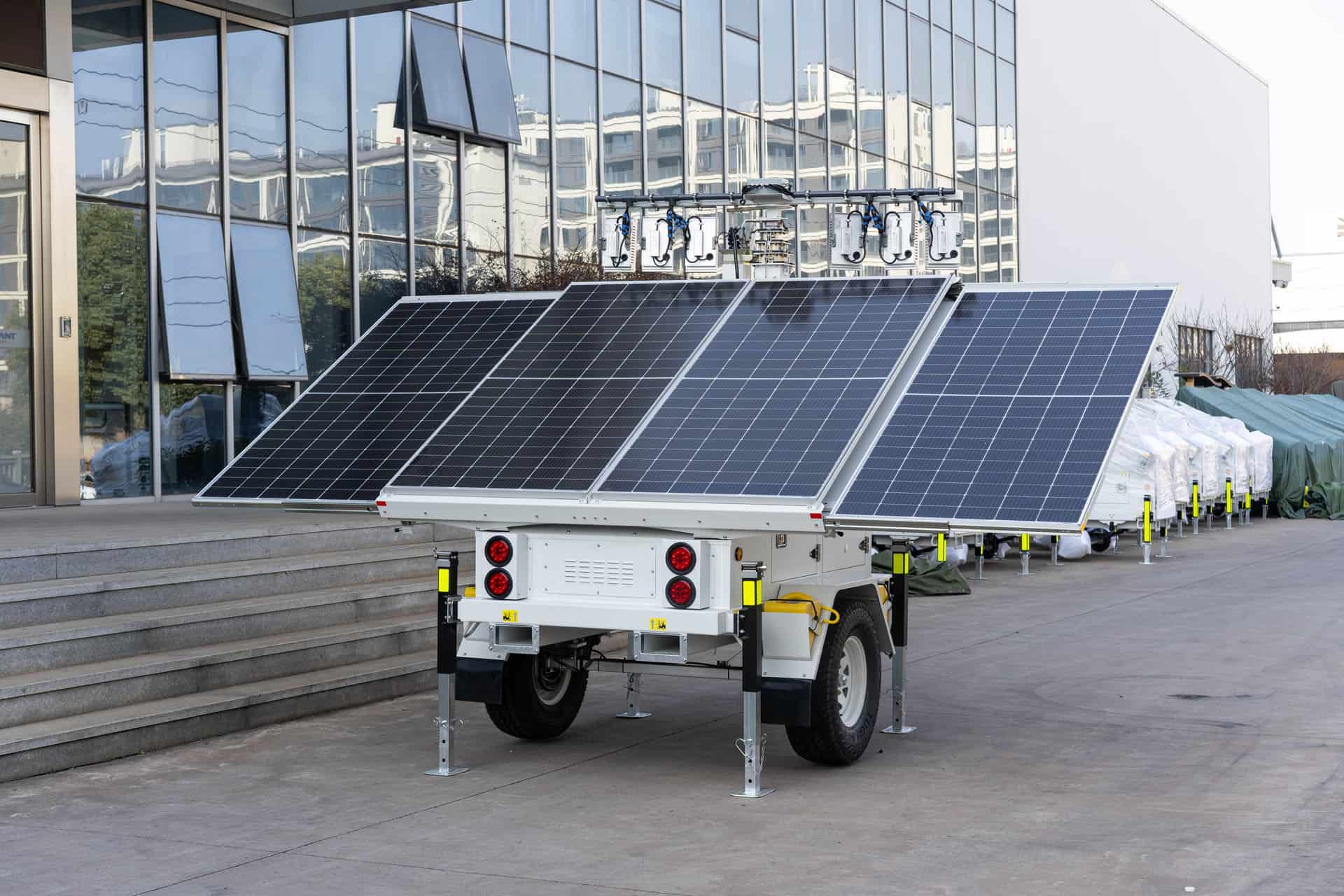
Run a portable generator outdoors only, well away from doors, windows and vents, with the exhaust pointed away from the building — never in a garage, basement, crawl space, porch, shed or under an awning, and never in a garage with the door open, because that is still indoors. A generator produces carbon monoxide at a rate comparable to hundreds of idling cars, and the outage during which you are running it is exactly when a plug-in alarm without battery backup has stopped working.
No generator picks here — generators are outside this site's scope, and the safety rules do not depend on which one you own. The CO alarm roundup is linked below, and the battery-backup point in it matters specifically for outages.
Why generators are the worst case
A portable generator is an unmuffled internal combustion engine running continuously, at load, at ground level, next to a building whose occupants are distracted by a storm.
CPSC attributes more than 200 US deaths a year to carbon monoxide from non-automotive consumer products, and portable generators are a large share of that figure. The pattern repeats after every hurricane, ice storm and extended outage.
Three things make it uniquely dangerous. The output rate — a generator produces carbon monoxide far faster than a domestic appliance fault does, which compresses the timeline from hours to minutes. The circumstances — an outage, at night, often in bad weather, with people improvising. And the detection gap: a plug-in CO alarm with no battery backup is dead during precisely the event that created the hazard. CPSC's generator safety material is worth reading before the next storm rather than during it.
The rules
Read these now. Nobody reads instructions in a power cut.
- Outdoors only. Never in a garage, basement, crawl space, shed, porch, carport or under an awning or overhang. Not partially. Not briefly.
- A garage with the door open is still indoors. This is the rule people break, and it is the one that kills. An open door does not make an enclosed space ventilated — exhaust accumulates under the ceiling and flows into the house through the connecting door.
- Well away from every door, window and vent, with the exhaust pointed away from the building. Follow your generator's own manual for the minimum distance, and treat it as a minimum rather than a target. Further is better, and 'as far as the cord allows' is a reasonable instinct.
- Think about where the exhaust actually goes. Wind direction, a recessed doorway, a basement window well, a dryer vent, an air-conditioning intake. Exhaust does not obey a radius; it follows air movement.
- Never sleep with a generator running unless you have a working CO alarm with battery backup in every sleeping area, and you have tested it that day.
- Never refuel a hot generator, and store fuel outside the house. That is a fire risk rather than a CO one, and it is a real one.
- Watch your neighbors' generators. In a dense street or a campsite you do not control where the exhaust upwind of you goes. This is the strongest argument for having your own alarm.
- Have a battery-powered or battery-backed CO alarm before storm season, not during it. During the outage the shops are shut and your plug-in alarm is asleep.
What CO shutoff sensors do and do not do
Many newer portable generators include a carbon monoxide sensor that shuts the engine down when it detects a dangerous concentration around the unit. These are a genuine improvement and they have prevented deaths.
They are not permission to run a generator anywhere. Two limitations matter. First, the sensor measures the concentration at the generator, which is not the same as the concentration in the room above it or through a connecting door — the geometry of an enclosed space can deliver a lethal dose somewhere the sensor is not. Second, a shutoff feature relies on a sensor, and sensors fail, get dirty, and age.
Treat it as a backstop for a mistake, in the same way an airbag is a backstop rather than a reason to drive faster. The rules above do not change because your generator has one.
And note the asymmetry: the shutoff protects you from the generator, while your house alarm protects you from everything, including a neighbor's generator, a car in an attached garage and a furnace fault. You want both.
Before the next outage
Twenty minutes now, once. The alternative is making these decisions by torchlight during a storm.
Check that your CO alarms have battery backup, or are battery powered
A plug-in alarm with no backup is asleep during an outage. This is the most common and most dangerous gap in the whole subject. The CO roundup flags which units have it.
Decide now where the generator will stand
Walk outside and pick the spot: away from every door, window, vent and window well, with the exhaust facing away from the house. Check the cord reaches it. Mark it if you like.
Read your generator's manual for its minimum distance
Manufacturers specify it, and it varies. Treat it as a floor.
Buy the cord you need
The reason people put generators too close is almost always that the cord is too short. That is a solvable problem for the price of an extension.
Tell everyone in the household the rule
Outdoors only, never the garage, never with the door open. Anyone who might start the generator needs to know it, including teenagers and visiting relatives.
Test every CO alarm and note its date
Before storm season, alongside the smoke alarms. The checklist covers both in one pass.
Other combustion appliances in an outage
The generator is the headline risk, and outages generate several others because people improvise heat and cooking.
Never use a charcoal or gas barbecue indoors or in a garage. A grill that has stopped flaming still produces carbon monoxide, and this is the mechanism behind a large share of non-generator CO fatalities.
Never use a camping stove or an unvented portable heater indoors unless it is specifically listed for indoor use and you follow its ventilation requirements exactly.
Never use a gas range or oven for space heating. It is not designed for continuous operation and it vents into the room.
Never run a car in an attached garage for warmth or to charge a phone, with the door open or shut.
All of those show up in the same statistics as generators, and all of them happen for the same reason: it is cold, the power is out, and the appliance is right there. Deciding in advance is what prevents it.
Questions people actually ask
Can I run a generator in my garage with the door open?
How far from the house should a generator be?
Does a generator with a CO shutoff sensor make it safe to use indoors?
Can I sleep while a generator is running?
Will my plug-in CO alarm work during a power cut?
Is a neighbor's generator a risk to my house?
Sources
Read next
Carbon Monoxide Detectors
The Best Carbon Monoxide Detectors
Four listed alarms, and why peak-level memory beats a fancier display.

Carbon Monoxide Detectors
Carbon Monoxide Poisoning Symptoms
The symptoms, the flu-without-fever pattern, and the emergency action first.

Carbon Monoxide Detectors
Do I Need a Carbon Monoxide Detector?
The five sources all-electric homes forget, and the one case where no is honest.

Carbon Monoxide Detectors
The Best CO Detectors for RVs and Travel
A battery unit for the bag, and why an RV needs an RV-listed alarm instead.

Placement & Code
Home Fire Safety Checklist
A printable room-by-room audit of alarms, CO detection, exits and suppression.