Fire Extinguishers
Fire Extinguisher Classes
Five classes, two numbers and one letter with no number. Once you can read a label, the whole category stops being confusing.
By Ryder M.Last reviewed
Class A is ordinary combustibles, B is flammable liquids and gases, C is fires involving energized electrical equipment, D is combustible metals and K is cooking oils and fats. The numbers before A and B are relative capability ratings from the UL fire tests — a 4-A unit handles roughly twice the wood-crib fire of a 2-A. There is no number before C, because C only certifies that the agent is non-conductive. For a house, a multi-purpose ABC unit rated at least 2-A:10-B:C covers the realistic risks.
A reference page, deliberately without product picks — it exists so you can read a label rather than trust a recommendation. The roundups are one click away once you know which class you need.
The classes
US classification. Note that some other countries use different letters for the same fuels, which is a common source of confusion when reading imported advice.
| Class | What it covers | Where you meet it at home |
|---|---|---|
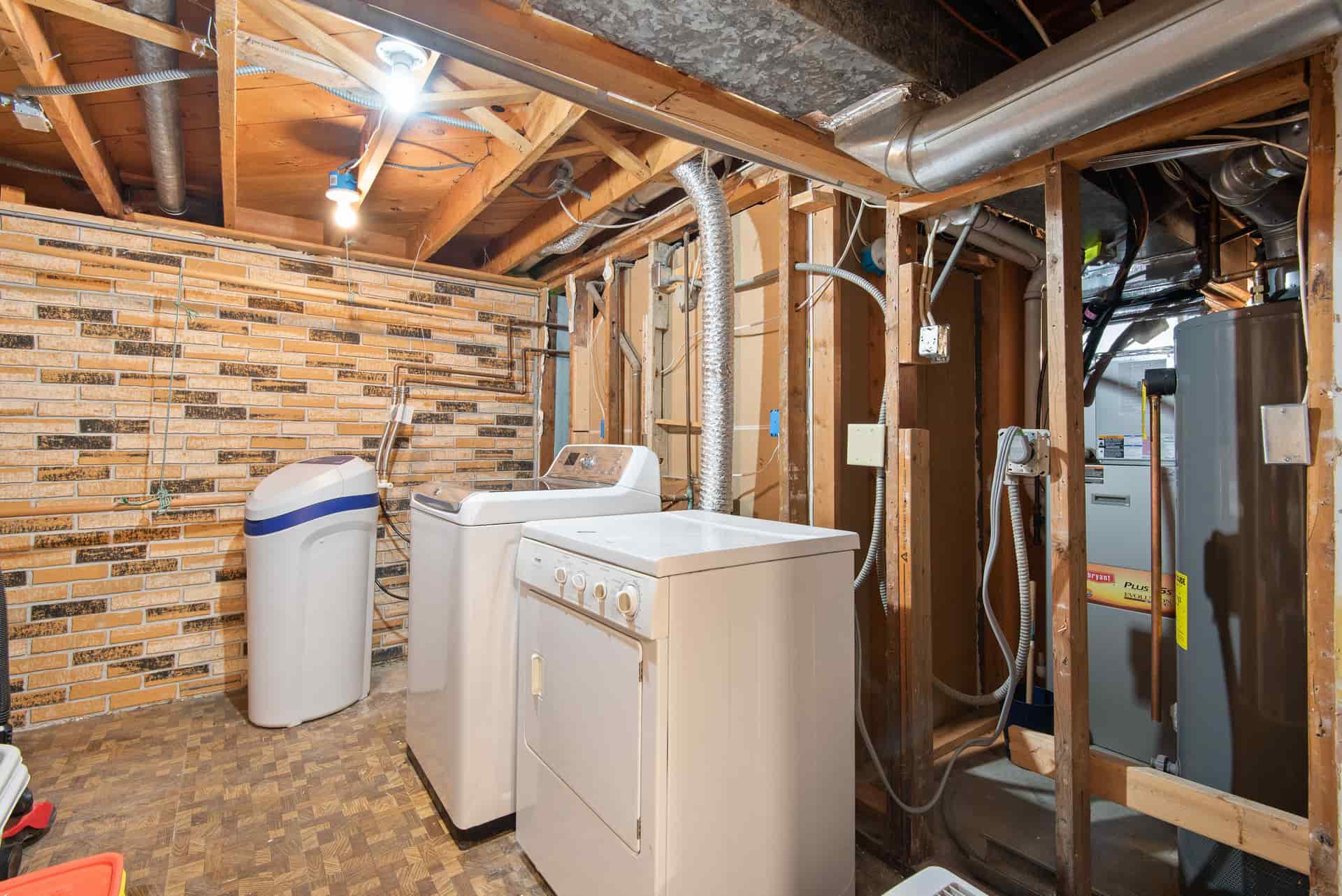
| A | Ordinary combustibles — wood, paper, cloth, rubber, most plastics | Furniture, bedding, curtains, cardboard, rubbish. The bulk of what a house is made of |
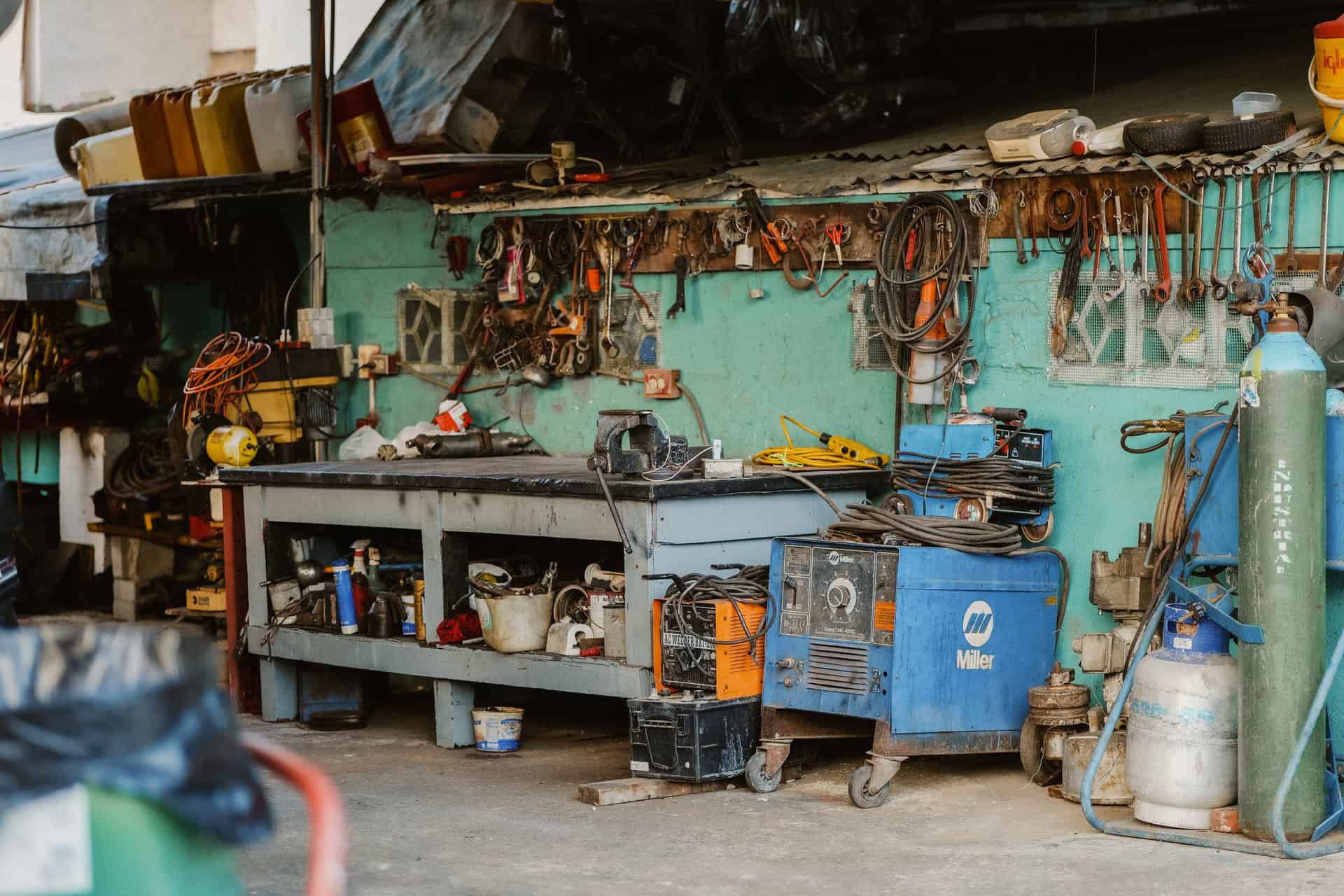
| B | Flammable liquids and gases — petrol, oil, solvents, paint, propane | Garage, workshop, mower fuel, paint store, barbecue propane |
| C | Fires involving energized electrical equipment | Wiring, appliances, chargers, a distribution board. Cut the power if you safely can |
| D | Combustible metals — magnesium, titanium, sodium, lithium metal | Almost never in a house. Specialist agents only; ordinary extinguishers can make it worse |
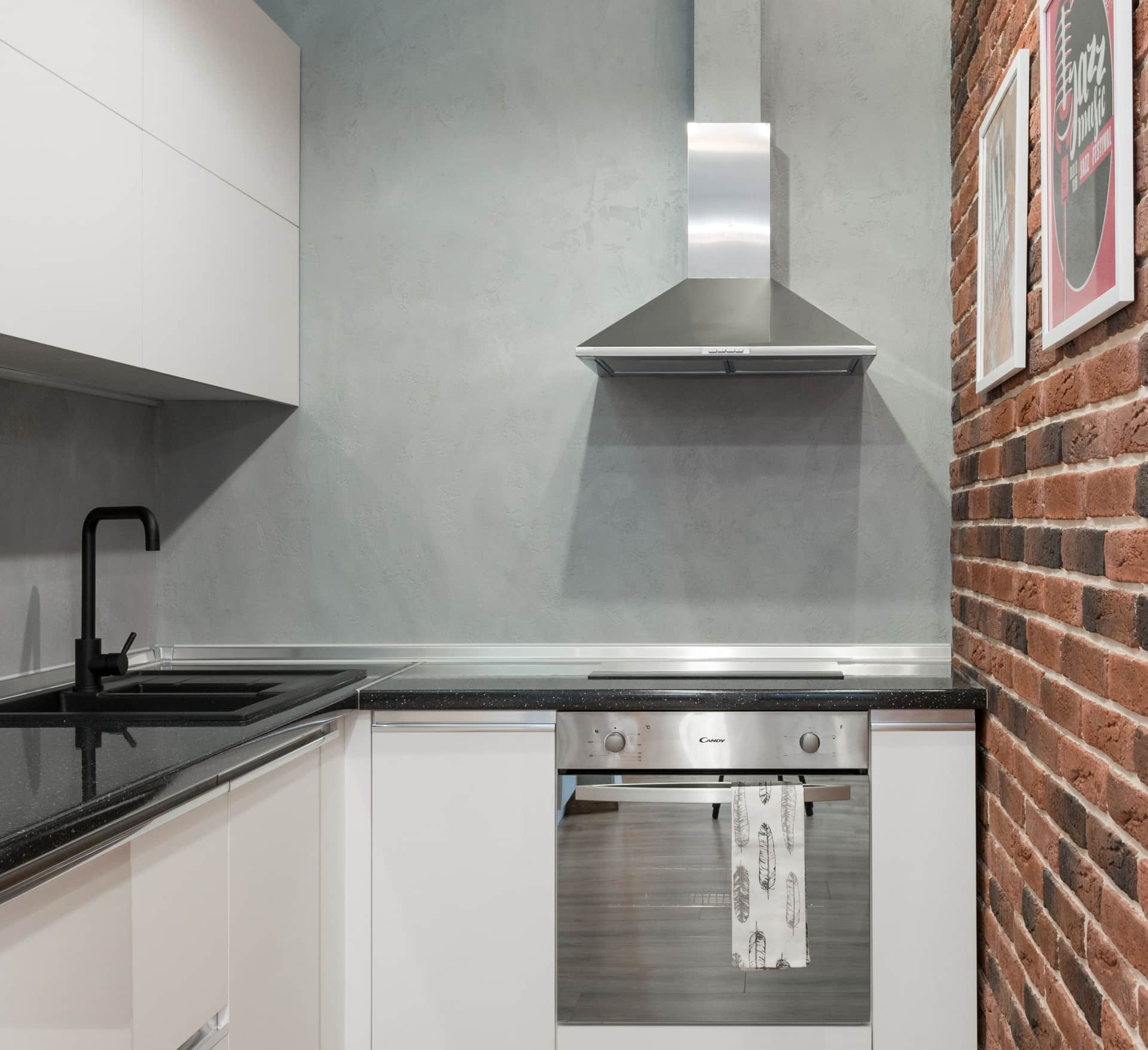
| K | Cooking oils and fats | Deep fryer, large pan of oil. Wet-chemical agent that saponifies and cools the fat |
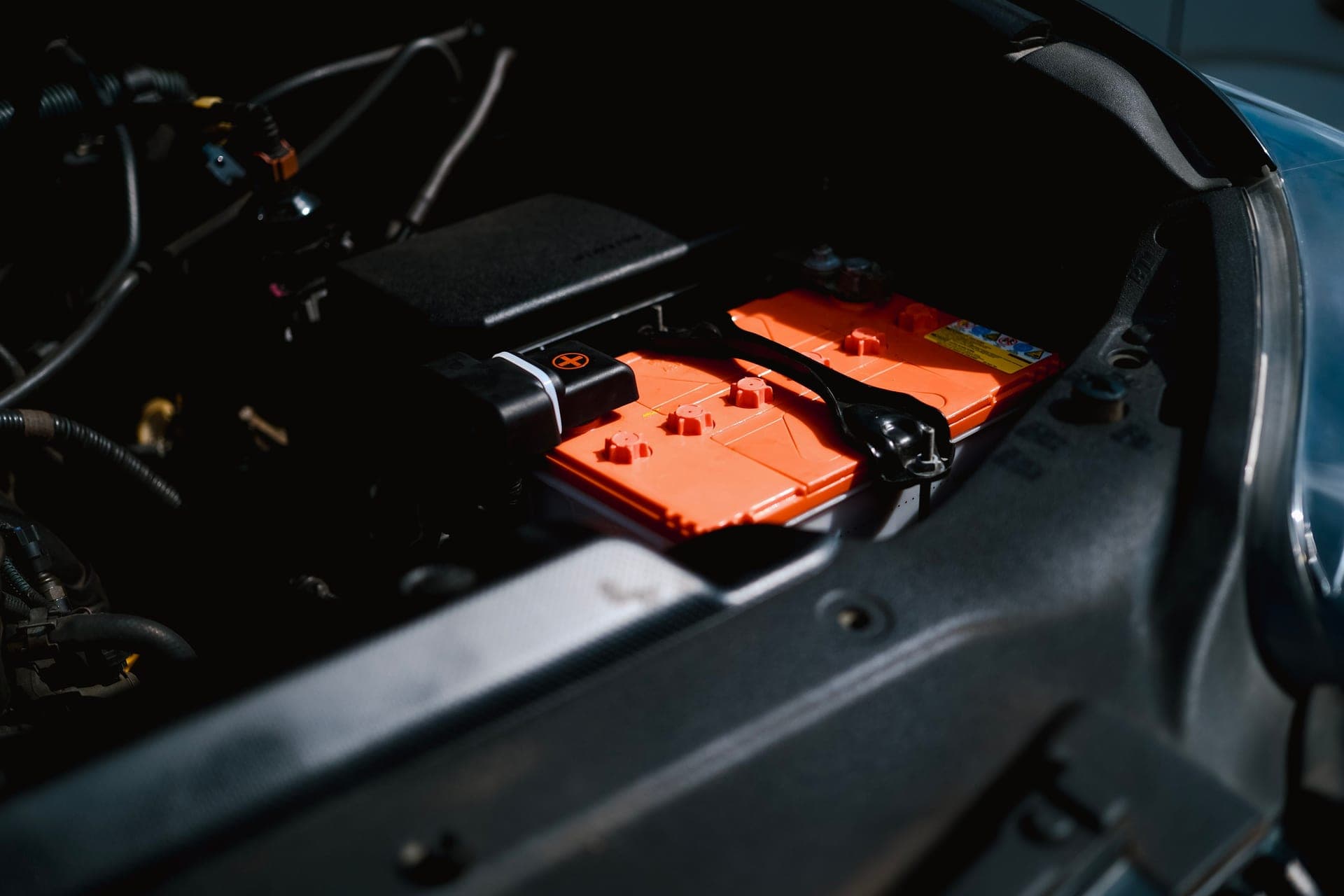
Lithium-ion battery fires do not map cleanly onto any of these classes. Class D is for lithium *metal*, not lithium-ion cells, and no consumer class rating covers thermal runaway — see lithium battery fires.
What the numbers mean
The numbers are relative capability ratings produced by UL 711 testing, which is a real, independent, repeatable test — one of very few genuinely checkable performance claims in home fire safety.
The number before A relates to the size of the standardized wood-crib fire the extinguisher was able to put out. The scale is proportional: a 4-A unit handled roughly twice the fire a 2-A unit did.
The number before B relates to the approximate square footage of a flammable-liquid fire the extinguisher could extinguish in the hands of a trained operator. A 40-B unit is rated for roughly four times the liquid-fire area of a 10-B.
There is no number before C and there never will be. The C designation certifies that the agent is non-conductive and therefore safe to use on equipment that is still energized. It is a yes-or-no property rather than a quantity.
One important caveat on the B number: it was produced by a trained operator under test conditions. An untrained person will not achieve the rated area, which is another argument for reading the technique page rather than buying a bigger number.
Agents, and what each one does
| Agent | Classes | Mechanism | The catch |
|---|---|---|---|
| Monoammonium phosphate (ABC dry chemical) | A, B, C | Smothers and interrupts the chemical chain reaction | Corrosive fine powder over everything; attacks metal and electronics; does not cool much |
| Sodium bicarbonate (BC dry chemical) | B, C | Interrupts the chain reaction | No A rating, so it is not a general-purpose house extinguisher |
| Wet chemical (potassium salts) | K, and often A | Saponifies hot fat into a soapy smothering layer while cooling it | Specialist; the correct answer for deep-fat fires and little else at home |
| Carbon dioxide | B, C | Displaces oxygen and cools slightly | Leaves no residue, which is why server rooms use it — but almost no A capability and it disperses fast |
| Clean agent / halocarbon | Typically A, B, C | Interrupts the chain reaction without residue | Expensive; used where residue would destroy the contents |
| Water / water mist | A, and mist sometimes C | Cools | Never on cooking oil — it flashes to steam under the oil and throws burning fuel |
| Dry powder (Class D specific) | D | Smothers and absorbs heat from burning metal | Class-specific; using the wrong agent on burning metal can react violently |
For a household, the practical choice is almost always ABC dry chemical, plus a wet-chemical Class K unit if you deep-fry. Everything else on this table is context.
Why ABC is the household answer
Because a house produces all three of those fire classes and you cannot know in advance which one you will meet. A sofa is A. A can of mower fuel is B. A failing charger is C. A single agent covering all three means one decision and one device.
It is not the best agent for any one of them. CO2 is better on electrical fires if residue matters. Wet chemical is better on fat. Water is better on a smoldering A fire. ABC is the compromise that is adequate at all three, which is exactly what a household wants.
The price of that compromise is the residue. Monoammonium phosphate is a fine corrosive powder that coats the whole room, works into electronics and needs thorough clean-up to stop it attacking metal over time. On a small fire, the clean-up is frequently worse than the fire damage — which is the single strongest argument for keeping a fire blanket in the kitchen as the first tool.
If the toxicity or the mess is a concern in your household, is fire extinguisher powder toxic goes through what the powder actually is.
The class mistakes that matter
Water on a grease fire. The most dangerous mistake in this whole subject. Water flashes to steam beneath the burning oil and ejects it upward and outward as a fireball. How to put out a grease fire leads with it.
Assuming a white kitchen extinguisher is Class K. Many are ordinary ABC in a different housing. Read the label for the K.
Using an extinguisher with no C rating on energized equipment. The agent may conduct, which puts you in the circuit. Almost all ABC units are C rated; check anyway.
Treating lithium-ion as Class D. Class D is for lithium *metal* — a different material with different chemistry. No consumer class rating covers lithium-ion thermal runaway, and the lithium page explains why that is not a labeling oversight.
Reading imported advice. European classification uses different letters for some of these fuels, so a page written for the UK or Australia may be describing a different class with the same letter.
What rating a house should buy
At least 2-A:10-B:C for the main unit, on the main level near the kitchen exit. That is the rating threshold that code requirements commonly start at, and it is a sensible minimum for a house full of Class A material.
Higher B rating for a garage or workshop — 40-B is a meaningful step up where fuel, solvents and oil are stored.
A wet-chemical Class K unit if you deep-fry regularly.
A smaller 1-A:10-B:C unit as a supplementary, for an apartment, a landing, a boat or a vehicle, where a 5 lb cylinder will not be picked up.
What size do I need works through the weight-versus-rating trade, and the home roundup covers the units.
Questions people actually ask
What are the fire extinguisher classes?
What is an ABC fire extinguisher used for?
What do the numbers mean on a fire extinguisher?
Is a kitchen fire extinguisher different from ABC?
Which fire extinguisher class covers lithium-ion batteries?
Can I use an ABC extinguisher on an electrical fire?
Sources
- UL Solutions — Fire extinguisher testing and certification (UL 711)
- NFPA — NFPA 10, Standard for Portable Fire Extinguishers
- US Fire Administration — Home fire prevention
- NFPA — Cooking equipment fires in US homes
Read next
Fire Extinguishers
The Best Fire Extinguishers for a Home
Four rated units, what the numbers mean, and why the valve material matters.
Fire Extinguishers
What Size Fire Extinguisher Do I Need?
Weight against rating and run time, and why the likely operator decides it.
Fire Extinguishers
The Best Kitchen Fire Extinguishers
Class K versus ABC, and why the blanket is the kitchen's first tool.
Fire Extinguishers
How to Use a Fire Extinguisher
PASS, the two decisions that come first, and why aiming at the flames wastes the charge.
Fire Extinguishers
The Best Fire Extinguishers for Lithium Battery Fires
Why no consumer unit stops a pack in runaway, and what genuinely helps instead.
Fire Extinguishers
Is Fire Extinguisher Powder Toxic?
What ABC powder actually is, and what it does to lungs, electronics and pets.