Fire Extinguishers
Is Fire Extinguisher Powder Toxic?
Not a poison, and not harmless either. It is a fine corrosive irritant that gets into lungs, electronics and animals, and the clean-up matters more than people expect.
By Ryder M.Last reviewed
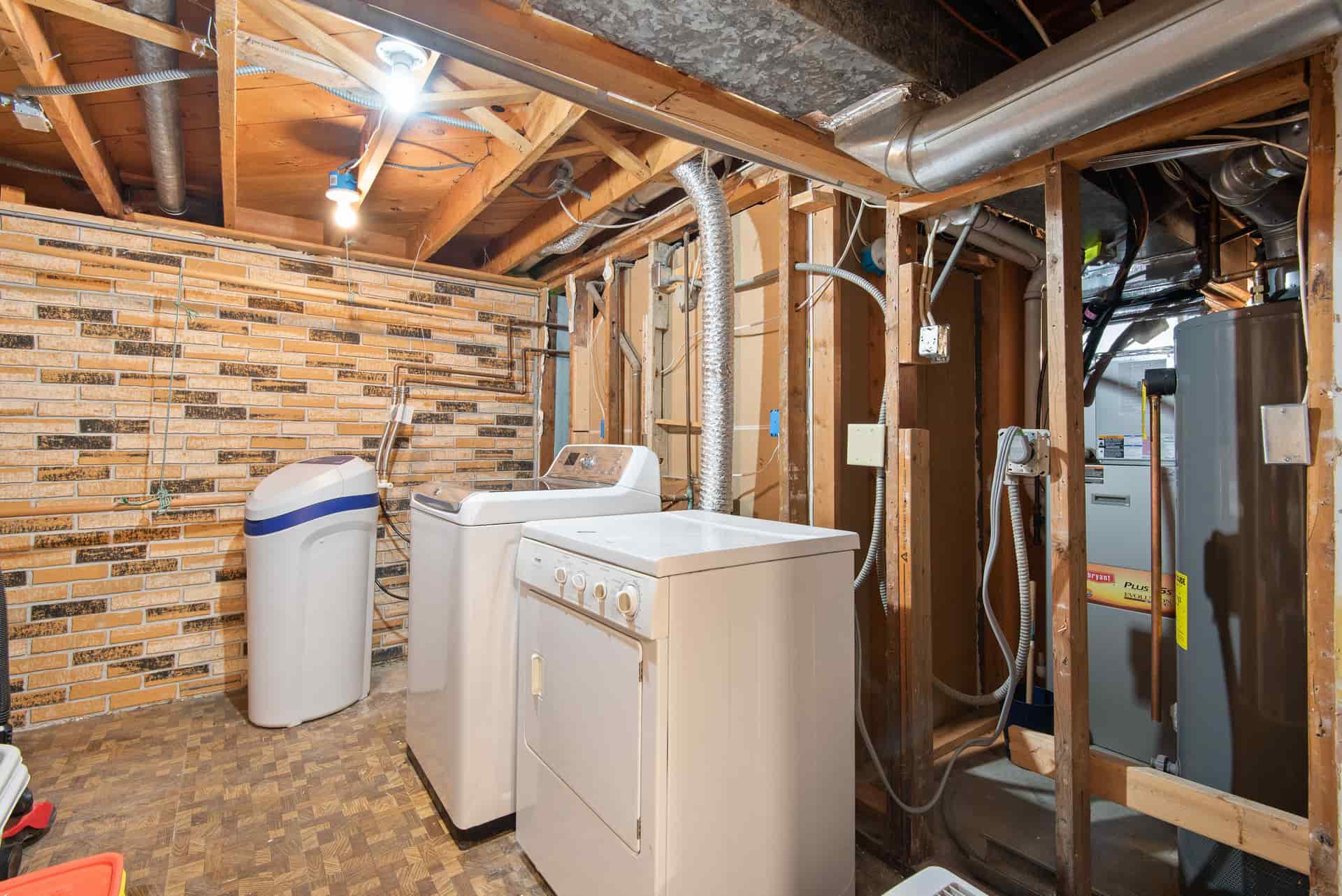
ABC dry chemical is monoammonium phosphate, an irritant rather than an acute poison. Discharged indoors it irritates eyes, skin and airways, it is corrosive to metals and electronics over time, and it is a genuine problem for pets — particularly birds and reptiles, whose respiratory systems are far more sensitive than ours. Ventilate immediately, keep animals and children away, use a mask and gloves to clean up, and get medical or veterinary advice for anyone with a significant exposure or a respiratory condition.
Siren & Safe is reader-funded. We earn a commission on some links on this page, at no cost to you. It does not change what we recommend or the order we rank it in. Full disclosure.
What ABC powder actually is
Monoammonium phosphate, usually with additives to keep it free-flowing and to color it. It works by melting onto the fuel surface to smother it and by interrupting the chemical chain reaction of combustion.
It is not an acute poison. Monoammonium phosphate is also used as a fertilizer, which is where the frequent 'it is basically plant food' reassurance comes from. That reassurance is true in the narrow sense and misleading as a whole picture, because the hazard here is not systemic toxicity — it is a very fine particulate irritant in a confined space, plus corrosivity.
The relevant hazards are: mechanical and chemical irritation of eyes, skin and airways; corrosion of metals and electronics; and a particulate load that matters a great deal to animals with sensitive respiratory systems.
BC dry chemical uses sodium bicarbonate, which is gentler on both counts but has no A rating, and the wet chemical in Class K units is a potassium-salt solution — alkaline, irritating, and not a dust. The classes page covers which agent is in which unit. The manufacturer's safety data sheet for your specific extinguisher is the authoritative document, and any supplier will provide one.
For humans
Eyes. Mechanical and chemical irritation. Flush with water for several minutes and do not rub — rubbing grinds particles against the cornea. Seek medical advice if irritation persists.
Skin. Irritation, worse on damaged or already-irritated skin. Rinse with plenty of water and wash clothing separately.
Airways. Coughing, throat and nose irritation, and shortness of breath in a heavy exposure. Anyone with asthma, COPD or another reactive airway condition should get out of the room immediately and should seek advice if symptoms do not settle quickly once they are in clean air. NIOSH's chemical guidance is written for occupational exposure, which is a different scale from one domestic discharge, but the mechanisms are the same.
Swallowing. Rinse the mouth, drink water, and get advice for anything more than a trace — particularly for a child.
When to get medical help: any significant airway symptoms, any eye exposure that does not settle, anyone with a respiratory condition, any child with a meaningful exposure, or anyone who feels unwell after being in a room during a discharge. Tell them what the agent was.
For pets
This is the part most pages skip and it is the question people search for.
Birds are the most vulnerable by a wide margin. Avian respiratory systems are extraordinarily efficient and correspondingly sensitive to airborne particulates and fumes. A dry-chemical discharge in a room with a bird in it is a genuine emergency: get the bird out into clean air immediately and call a vet.
Reptiles and small mammals are also disproportionately affected, both because of body size and because they live near floor level where powder settles.
Dogs and cats will cough, sneeze, paw at their faces, and then lick powder off their paws and fur — which turns an inhalation exposure into an ingestion one. Get them out of the room, wipe or wash paws and coat before they groom, and offer water.
Call a vet if an animal is coughing persistently, retching, drooling, struggling to breathe, or is unusually lethargic. Tell them the agent is monoammonium phosphate dry chemical. Be more cautious with small animals than you would be for yourself: dose scales with body mass and their margin is smaller.
Do not let any animal back into the room until the powder is fully cleaned up, including the floor and any soft furnishings.
Cleaning it up properly
The clean-up matters for corrosion as much as for health. Powder left in place will attack metal and electronics for years.
Ventilate and clear the room
Windows and doors open, people and animals out, before anything else. The worst exposure is airborne dust in the first minutes.
Wear a mask, gloves and eye protection
A dust mask at minimum. You are about to disturb a fine particulate that has just settled.
Vacuum first, do not sweep
Sweeping re-aerosolizes the powder. Use a vacuum, ideally with a good filter, and empty it outdoors afterwards. A shop vacuum is better than a household one if you have access to one.
Then wipe with a damp cloth
Warm water, working from the top of the room down so you are not re-contaminating cleaned surfaces. Rinse the cloth often and change the water.
Deal with metals and electronics urgently
Monoammonium phosphate is corrosive and will attack metal over time, particularly in humid conditions. Wipe appliances and metal surfaces thoroughly. For electronics that got a significant dose, the honest advice is that professional cleaning or replacement is often the realistic answer — powder inside a device is very hard to remove.
Wash textiles and throw away exposed food
Curtains, cushion covers, bedding, clothing — wash separately. Any open food, and anything porous that cannot be cleaned, goes.
Keep animals out until it is genuinely finished
Including the floor and the soft furnishings. Pets find residue you have missed, then groom it off.
How to need less of this
The clean-up above is the strongest practical argument for the sequencing this site recommends in a kitchen.
A fire blanket for a pan fire. No residue at all, no aim, no training, and a pan of oil is the fire a kitchen is most likely to produce. Blanket picks and where to mount one.
An aerosol spray for a small contained fire that is not a pan. Bicarbonate-based, wipes off, and anybody can use it. Aerosol vs traditional.
A rated ABC extinguisher by the exit for the fire that has outgrown both — accepting the mess, because at that point the mess is not the problem.
None of that is an argument against owning an extinguisher. It is an argument for having the right tool nearest to the fire it suits, so the extinguisher is the thing you use least often.
Quick picks
Scored against avoids dry-chemical residue, clean-up, rated capability, suits a small fire and pet-friendly aftermath. Tap a row for the full write-up. No price is shown anywhere on this site because we do not cache retailer prices.
| # | Product | Best for | Score | Price |
|---|---|---|---|---|
| 1 |  First Alert EZ Fire Spray AF400 Bicarbonate aerosol that wipes up — no corrosive powder over the food. | Avoiding the powder in a kitchen | 7.2/ 10 | Check price on Amazon #ad how we are funded · we do not cache prices |
| 2 |  Amerex B500 5 lb ABC Dry Chemical Extinguisher The powder is the price of a general-purpose rated extinguisher. | Rated capability, with the mess accepted | 5.2/ 10 | Check price on Amazon #ad how we are funded · we do not cache prices |
The two options, on aftermath
Illustrative photo
1. Avoiding the powder in a kitchen
First Alert EZ Fire Spray AF400
Bicarbonate aerosol that wipes up — no corrosive powder over the food.
- Listed to
- Aerosol extinguishing spray — not a UL-rated A:B:C portable extinguisher
- Sensing / agent
- Sodium-bicarbonate-based extinguishing aerosol
- Power / service life
- Single use; check the stamped expiry
If the reason you are on this page is that you do not want corrosive powder through your kitchen, this is the honest product answer for small fires. Bicarbonate-based aerosol wipes off surfaces rather than requiring the full clean-up regime below.
It is still an irritant and it still means opening windows and keeping animals out of the room. Less is not none.
Keep a rated extinguisher by the door regardless. The aerosol handles the small fire more cleanly; it does not handle a larger one at all.
What it does well
- Sodium-bicarbonate-based agent that wipes off rather than coating the room in corrosive powder
- Much less airborne dust to breathe than a dry-chemical discharge indoors
- No pin or gauge — usable by anyone
- Easier aftermath in a kitchen with open food and appliances
The downside
- **Not a UL-rated extinguisher** and no substitute for one
- Single use with a stamped expiry
- Still an irritant — ventilate, and keep pets and children out of the room
Do not buy this if: you need rated capability or must satisfy a requirement. This is a way to avoid dry-chemical aftermath on a small fire, not a replacement for a rated extinguisher by the exit.
- Aerosol can format — no pin, no pressure gauge, aim and spray
- Wipes up with a cloth instead of the corrosive mess dry chemical leaves
- Genuinely easier for someone who will never practice with a real extinguisher
- It is not a rated extinguisher and does not satisfy a code requirement for one
#ad how we are funded · we do not cache prices
Illustrative photo
2. Rated capability, with the mess accepted
Amerex B500 5 lb ABC Dry Chemical Extinguisher
The powder is the price of a general-purpose rated extinguisher.
- Listed to
- UL rated 2-A:10-B:C
- Sensing / agent
- Monoammonium phosphate dry chemical
- Power / service life
- Rechargeable; all-metal valve and body
We are not going to pretend the mess is overstated. Discharging one of these indoors produces a fog of fine powder that settles on every surface, works into electronics, and takes real effort to remove properly.
It is also, unambiguously, the extinguisher a house should own — because the alternative to a messy extinguisher is not a clean one, it is no rated capability at all.
The resolution is sequencing rather than substitution: a fire blanket within reach of the hob, an aerosol in the drawer, and this by the door for the fire that has outgrown both.
What it does well
- UL rated 2-A:10-B:C — tested capability across the three classes a house produces
- Rechargeable with an all-metal valve
- One agent for ordinary combustibles, liquids and energized equipment
The downside
- Monoammonium phosphate is corrosive and coats everything in the room
- Significant airborne dust when discharged indoors
- A real problem around birds, reptiles and small mammals
Do not buy this if: your priority is aftermath on a small kitchen fire. For that, a blanket or an aerosol is the better first tool — keep this one by the exit for the fire they cannot handle.
- All-metal valve rather than plastic, which is the difference between a serviceable unit and a disposable one
- Rechargeable, so a partial discharge during a small fire does not write off the extinguisher
- 2-A:10-B:C covers ordinary combustibles, flammable liquids and energized electrical equipment
- 5 lb is heavier than the supermarket unit and needs a proper bracket
#ad how we are funded · we do not cache prices
Questions people actually ask
Is fire extinguisher powder toxic to humans?
Is fire extinguisher powder toxic to dogs?
Is fire extinguisher powder dangerous for birds?
How do you clean up fire extinguisher powder?
Does fire extinguisher powder damage electronics?
Is there a non-toxic fire extinguisher?
How these picks were chosen. On published specifications, safety listings and manufacturer documentation — plus the findings of organizations that do run tests. We have no laboratory and we do not burn anything. Read the full methodology.
Sources
Read next

Fire Extinguishers
Aerosol Spray vs Traditional Extinguishers
Rated capability against something an untrained person will actually use.
Fire Extinguishers
Fire Extinguisher Classes
The full class chart, what the numbers measure, and which agent suits which fire.

Fire Blankets
Are Fire Blankets Toxic?
Not poisonous, not inert. The fiber-handling question answered without the hand-waving.
Fire Blankets
The Best Fire Blanket for a Kitchen
Why a blanket beats an extinguisher at the hob, and what the cooking-fire standard really covers.

Fire Extinguishers
The Best Kitchen Fire Extinguishers
Class K versus ABC, and why the blanket is the kitchen's first tool.