Fire Blankets
Are Fire Blankets Toxic?
Not toxic in the sense of poisonous, but not inert either. The real question is fiber irritation from handling, and it has a clear answer and a simple set of precautions.
By Ryder M.Last reviewed
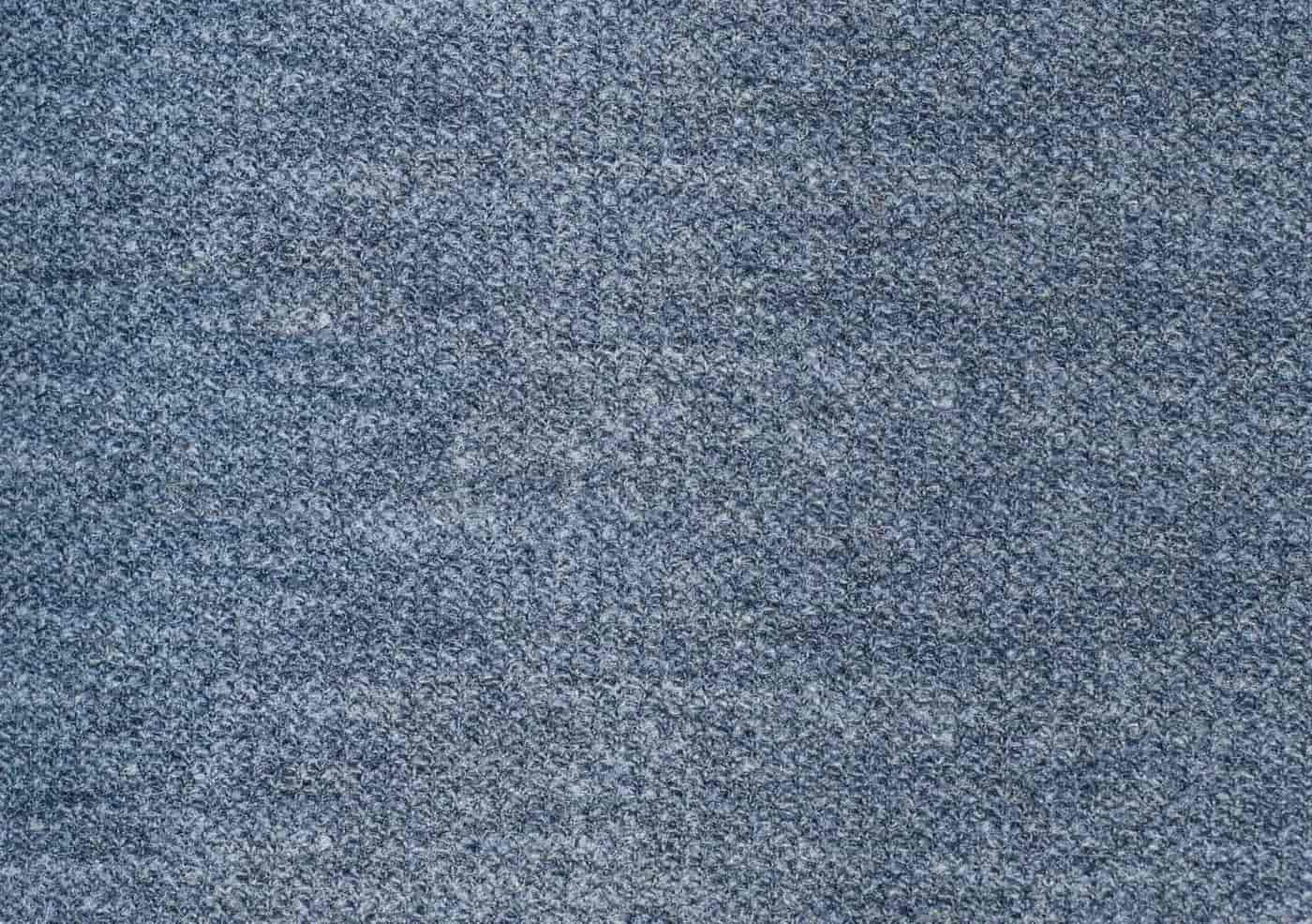
A fire blanket is not poisonous and it does not off-gas anything hazardous sitting on your wall. What it does is shed short glass fibers when it is handled, folded or abraded, and those fibers irritate skin, eyes and airways. That is a handling issue rather than a toxicity issue, it is avoidable with gloves and a bag, and it is nowhere near a reason not to own one — but it is a real thing that sellers do not mention, and if someone in your household has a respiratory condition it should change how you store and use it.
This page carries no product recommendations on purpose. It exists to answer a health question honestly, and attaching a buy button to it would give us a reason to shade the answer. If you want picks, the blanket roundup and the fiberglass-free page both have them.
What a fire blanket is made of
Almost every household fire blanket is woven fiberglass — glass drawn into filaments and woven into cloth. Some, like the Prepared Hero blanket, put a fire-retardant film between two woven faces. A few are coated with silicone or vermiculite on one side.
Glass fiber is chemically stable. It is not a pesticide, a solvent or a heavy metal, it does not leach, and a folded blanket in a pouch on your wall is not doing anything to your air. If 'toxic' means 'poisonous', the answer is no, and anyone telling you otherwise is selling something.
The thing that is real is mechanical. Glass filaments break into short lengths when the fabric is handled, and those fragments are irritants. They lodge in the outer layer of skin and cause itching and a prickling rash; they irritate eyes; inhaled in quantity they irritate the nose, throat and airways. This is the same effect people know from handling glass-wool loft insulation, at a much smaller scale.
How much exposure are we actually talking about
Almost none, if the blanket stays in its pouch. Fiber release happens when the weave is worked — unfolding, refolding, rubbing against a mounting bracket, dragging it out of a drawer. A mounted blanket that nobody touches for three years has released a negligible amount.
A single real deployment is a short, moderate handling event: you pull it out, hold it, place it, and later bag it. You may itch afterwards. Most people will not notice anything.
The exposure that health guidance is actually written about is different in kind. NIOSH's material on synthetic vitreous fibers addresses occupational exposure — installers and manufacturing workers handling these materials for hours a day, for years. Reading that guidance and concluding that a kitchen fire blanket is dangerous is a category error, and reading it and concluding that fiber release does not exist is the opposite error. Both happen on the internet, usually in the same comment section.
The five precautions that handle it
None of these cost anything, and together they reduce the fiber question to a footnote.
- Leave it in the pouch. Do not unfold a new blanket to inspect it, and do not unfold it to show visitors. Handling is the only thing that releases fibers.
- Keep gloves with it. Welding gauntlets cost very little. You want them for heat anyway — fiberglass conducts, and letting go early is what leaves the gap that keeps a fire alive.
- Practice with a tea towel, not with the blanket. Rehearsing the motion is a good idea. Doing it with the real blanket works the weave and releases fibers for no benefit.
- Bag a used blanket before you bin it, and do not shake it out indoors. A blanket that has been on a fire has damaged weave and will shed more than a new one.
- Wash exposed skin with cool water and soap, not hot water, and rinse rather than scrub. Hot water opens pores and scrubbing drives fibers in. If fibers get in an eye, flush it and do not rub.
Households where this should change your decision
A household member with asthma or another reactive airway condition. Fiber irritation of the airways is exactly the kind of trigger worth avoiding. The blanket still belongs in the house; what changes is that the person with the condition should not be the one who handles it, and it should not be stored anywhere it gets knocked and rubbed.
Small children. Not because a blanket in a pouch is a hazard, but because a blanket within reach of a curious five-year-old will be unfolded, and then it has shed fibers all over the kitchen floor and it is no longer reliably folded for deployment. Mount it at adult height.
Someone with significant skin sensitivity or eczema. Fiber contact on already-compromised skin is worse than on intact skin. Gloves and long sleeves, and consider whether the no-fabric alternatives suit your household better.
In none of these cases is the answer 'own no fire protection'. It is 'choose the form of fire protection that fits the household', which is a different decision and a much better one.
What about the coatings and the inner film
Some blankets are coated on one face — silicone is common — and some, like Prepared Hero's, have an inner fire-retardant film between two woven layers. These raise a reasonable question: does the coating or film produce anything nasty when it gets hot?
The honest answer is that most manufacturers in this category do not publish a safety data sheet, so we cannot tell you what a specific coating is or what it does at temperature. That is a documentation gap, not evidence of a hazard, and we are not going to fill it with a guess. If this matters to you, ask the seller for an SDS before buying; a manufacturer that cannot produce one has told you something useful.
What we can say is that the blanket is between you and the fire for a few seconds of placement, and then it sits on a covered pan while you stand back. The exposure geometry is not the same as breathing a burning material.
So should you buy one
Yes, for a kitchen. The fire a kitchen is most likely to produce is a pan of oil, a blanket is the best tool for that fire, and the alternative — water, or an extinguisher aimed carelessly into hot oil — is genuinely dangerous.
Buy one with gloves in the box, mount it beside the hob rather than above it, leave it alone, and replace it after any use. Our roundup ranks the three worth considering on documentation rather than marketing, and where to mount a fire blanket covers the one placement mistake that undoes the whole purchase.
And if fiberglass is a line you will not cross, the fiberglass-free page gives you a real alternative rather than a list of the same blankets with different branding.
Questions people actually ask
Are fire blankets toxic to humans?
Are fire blankets safe to keep in a kitchen with children?
Do fire blankets give off toxic fumes when used?
What do I do if I get fiberglass on my skin?
Is a fire blanket safe to use on a person whose clothes are on fire?
Sources
- CDC / NIOSH — Synthetic vitreous fibers — occupational health guidance
- CDC / ATSDR — ToxFAQs for synthetic vitreous fibers
- US Fire Administration — Cooking fire safety
Read next
Fire Blankets
Fiberglass-Free Fire Blankets
The alternative materials, and a straight answer about what you can actually buy today.

Fire Blankets
The Best Fire Blankets for a Home
Three blankets worth mounting, plus the woven-fiberglass issue the sellers leave out.

Fire Blankets
Where to Mount a Fire Blanket
Height, distance and fixing — plus the one position that makes a blanket useless.

Fire Extinguishers
Is Fire Extinguisher Powder Toxic?
What ABC powder actually is, and what it does to lungs, electronics and pets.

Fire Extinguishers
How to Put Out a Grease Fire
The correct sequence, why water is catastrophic, and when to leave instead.