Fire Blankets
Fiberglass-Free Fire Blankets
If you searched this because you do not want glass fiber in your kitchen, you deserve a straight answer rather than a list of the same fiberglass blankets with the word removed.
By Ryder M.Last reviewed
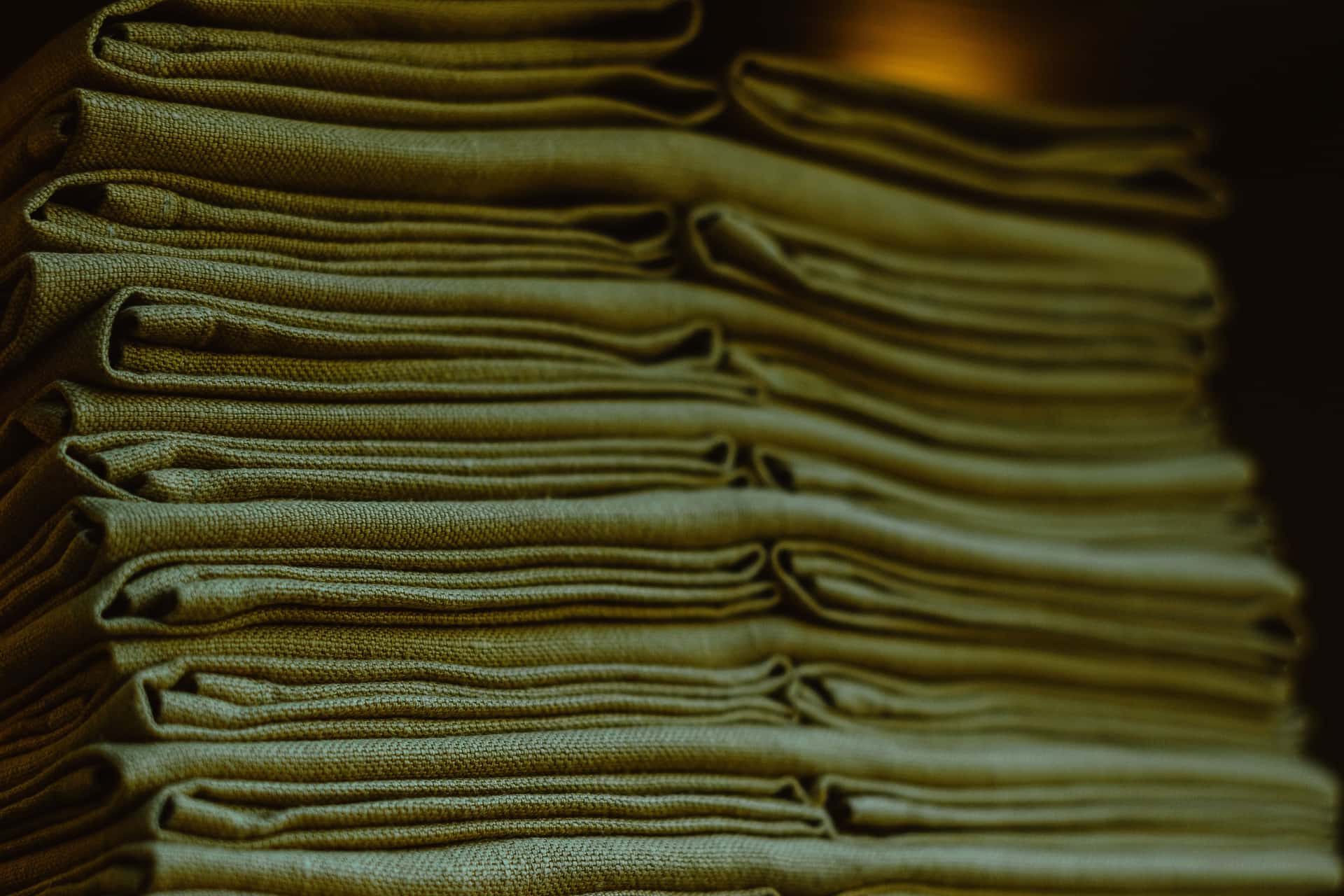
Almost every fire blanket sold to households is woven fiberglass, and we could not verify a consumer fiberglass-free blanket that is genuinely available and states what it is made of. The alternative materials that exist — silica fabric, aramid, treated wool — are real, but they live in industrial and welding supply rather than on a kitchen wall. If glass fiber is a hard no for your household, the honest recommendation is to solve the problem with a different product category entirely, and that is covered below.
Siren & Safe is reader-funded. We earn a commission on some links on this page, at no cost to you. It does not change what we recommend or the order we rank it in. Full disclosure.
Why the consumer market is all fiberglass
Woven fiberglass is very good at this job and very cheap. It does not burn, it drapes over an irregular shape, it survives folding, and it costs almost nothing to weave at scale. Those four properties together are why a fire blanket costs less than a takeaway and why nothing else has displaced it at the household end of the market.
The trade-off is that glass fiber sheds. Handling, folding and abrasion release short fibers that irritate skin and airways. NIOSH's material on synthetic vitreous fibers is written for people exposed occupationally, day after day, which is a different exposure profile from one kitchen deployment — but the mechanism is the same, and 'the dose is smaller' is a fair answer rather than a dismissal.
The alternative materials, and where they actually live
| Material | How it behaves | Where you find it |
|---|---|---|
| Silica fabric | Higher temperature tolerance than E-glass, softer hand, much less shedding in use | Welding and foundry supply — sold as welding blankets and curtains, not kitchen products |
| Aramid (para- and meta-) | Does not melt or drip, good abrasion resistance, no mineral fiber shedding | Protective clothing and industrial blankets; expensive per square foot |
| Treated wool | Naturally flame-resistant, chars rather than melting; traditional fire-blanket material | Specialist and heritage suppliers; rare in the consumer market now |
| Ceramic fiber | Very high temperature capability | Industrial only — and the respirable-fiber concerns are greater, not smaller, than glass |
| Woven fiberglass | The category standard: cheap, non-combustible, drapes well, sheds fibers | Essentially every household fire blanket on sale |
This table is about materials, not product recommendations. A welding blanket is not a listed fire blanket and is not tested against the cooking-oil fire that EN 1869 specifies.
Why a welding blanket is not the answer
The obvious workaround is to buy a silica welding blanket, which is fiberglass-free, higher-temperature and sheds far less. It is a tempting substitution and we would advise against it for a kitchen.
A welding blanket is designed to catch spatter and shield surfaces from a heat source. It is not designed or tested to extinguish a pan of burning oil by sealing against the vessel, which is a different mechanical job involving drape, weight and edge contact. EN 1869's test exists because that job has specific requirements.
Some welding blankets are also stiff or heavily coated, which makes them worse at conforming to a pan rim, and some are sized and weighted for a bench rather than for a person to hold in front of their face. Using one is not absurd — it will smother something — but you are substituting an untested product for a tested one, which is the opposite of what a reader on this page is trying to do.
If you do buy fiberglass, how to limit the exposure
Most people reading this will end up with a fiberglass blanket, because the alternatives are not on the shelf. There are four things that meaningfully reduce the fiber question, and none of them cost anything.
Leave it in the pouch. Fibers are released by handling. A blanket that is mounted and untouched for three years has released essentially nothing. Resist the urge to unfold it to show someone.
Wear gloves when you use it, which you should be doing for heat reasons anyway.
Do not practice with the real one. If you want to rehearse the motion, use a tea towel. A blanket that has been unfolded and refolded a dozen times has been worked, and both the fiber release and the weave damage are real.
Bag a used blanket before you bin it, and do not shake it out indoors. Then replace it — a used blanket is finished regardless.
The full exposure question, including what it means for households with children or respiratory conditions, is in are fire blankets toxic.
The decision, if you want it in one paragraph
If glass fiber is a preference, buy the blanket, mount it, do not handle it, and keep gloves with it — our blanket picks are ranked on documentation rather than marketing. If glass fiber is a hard no, skip the category: put an aerosol spray within reach of the hob for the likely small fire and a rated 2-A:10-B:C extinguisher near the kitchen door for the unlikely larger one. That combination has no fabric in it, it is fully documented, and it covers more fire types than a blanket does.
Questions people actually ask
Are there fire blankets without fiberglass?
Can I use a welding blanket as a fire blanket?
Do fire blankets shed fiberglass splinters?
Is silica fabric safer than fiberglass?
What should I buy if I will not have fiberglass in the house?
How these picks were chosen. On published specifications, safety listings and manufacturer documentation — plus the findings of organizations that do run tests. We have no laboratory and we do not burn anything. Read the full methodology.
Sources
- CDC / NIOSH — Synthetic vitreous fibers — occupational health guidance
- British Standards Institution — BS EN 1869: Fire blankets — specification
- UL Solutions — UL 711: Rating and fire testing of fire extinguishers
Read next
Fire Blankets
Are Fire Blankets Toxic?
Not poisonous, not inert. The fiber-handling question answered without the hand-waving.

Fire Blankets
The Best Fire Blankets for a Home
Three blankets worth mounting, plus the woven-fiberglass issue the sellers leave out.

Fire Extinguishers
Aerosol Spray vs Traditional Extinguishers
Rated capability against something an untrained person will actually use.
Fire Extinguishers
Is Fire Extinguisher Powder Toxic?
What ABC powder actually is, and what it does to lungs, electronics and pets.
Fire Blankets
Fire Blanket vs Fire Extinguisher
Contact range versus projected agent — and the fires where each one is the wrong choice.