13 guides and comparisons
Smoke Detectors
Sensor type, listing, service life and position. Four things decide whether an alarm protects you, and three of them are free to get right.
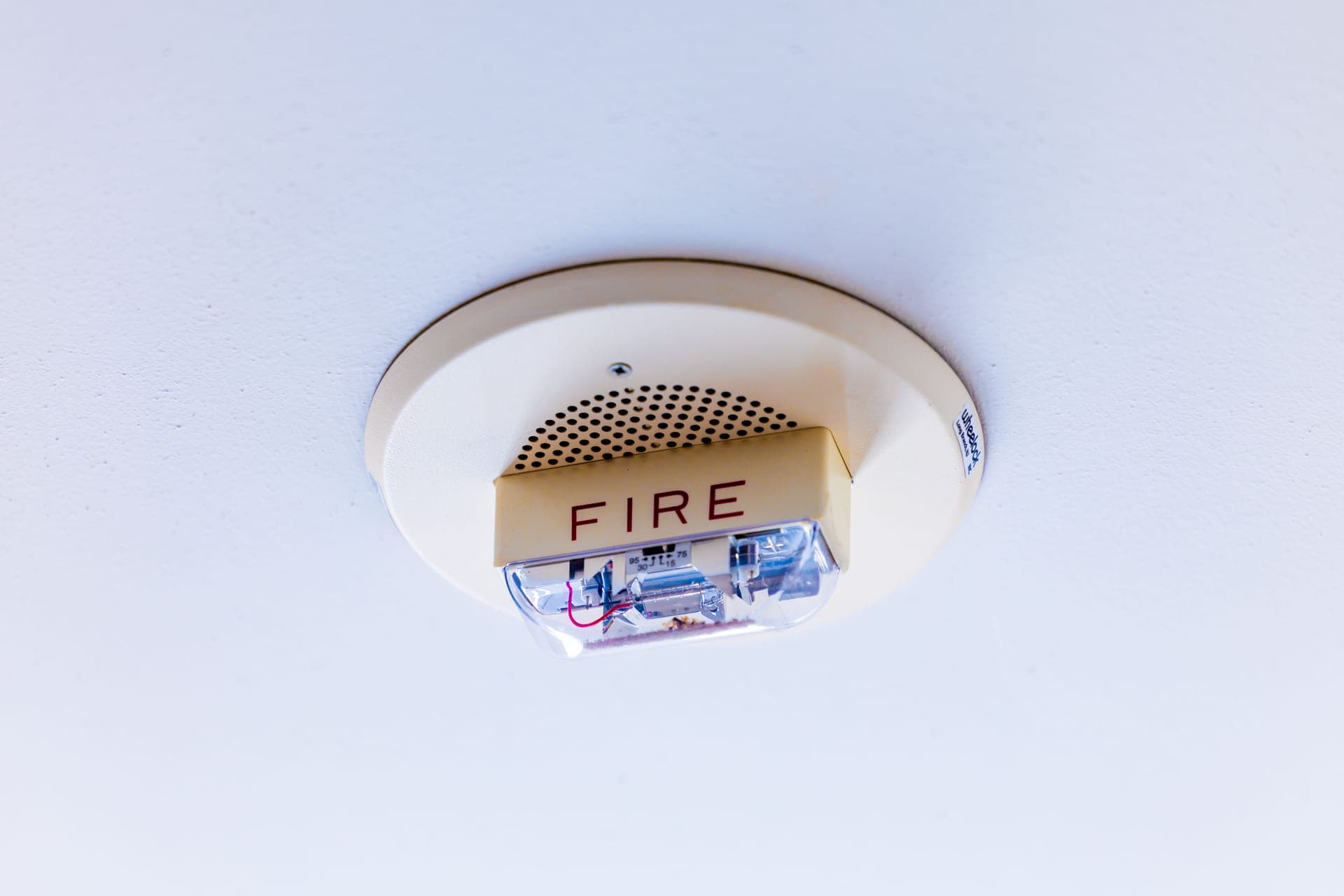
If you are replacing alarms today, buy photoelectric or combination units with a 10-year sealed battery, put one inside every bedroom, one outside each sleeping area and one on every level including the basement, and keep them at least 10 ft from the cooker. That sentence covers most of what matters. The rest of this hub is the detail behind it — what UL 217 tests, why ionization sensors nuisance-trip near kitchens, and what a chirping alarm is actually telling you.
By Ryder M.Last reviewed
Siren & Safe is reader-funded. We earn a commission on some links on this page, at no cost to you. It does not change what we recommend or the order we rank it in. Full disclosure.
What to buy first
If you have no working alarms, this is the most consequential purchase on this whole site. NFPA's analysis of US home fires found nearly three in five home fire deaths occurred in homes with no smoke alarms (43%) or with alarms that failed to operate (16%), and that the death rate per 1,000 home structure fires is around 60% lower where an alarm worked. No extinguisher, blanket or ladder moves a number like that.
For most houses the right buy is a 10-year sealed-battery combination smoke and CO alarm — one device, one ceiling position, two hazards, and nothing to replace for a decade. Our picks are in the best smoke detectors and, for the combination units specifically, the best combination smoke and CO alarms.
If your house already has hardwired alarms on a circuit, replace like with like rather than dropping to battery units. Interconnected alarms sound together, which is what gets a sleeping family on the far side of the house out of bed — and losing that to save a few minutes of work is a bad trade. Interconnected smoke alarms covers how to keep it, including the wireless option for a half-wired house.
How the category divides
By sensor. Photoelectric sensing responds sooner to the smoldering, smoky fires that kill people in their sleep — upholstery, bedding, wiring. Ionization responds sooner to fast, flaming fires with little visible smoke. Ionization is also the sensor that nuisance-trips on cooking aerosols, which is why it has largely lost the argument for domestic use. Ionization vs photoelectric explains the mechanism rather than just repeating the conclusion.
By power. Hardwired with battery backup, or sealed 10-year battery. Hardwired interconnects over the wire and never needs a battery changed; sealed-battery units go anywhere and end their lives as a unit. Replaceable-battery alarms still exist and are the source of most of the chirping in America.
By what else is in the box. A combination unit adds a CO cell. A smart unit adds Wi-Fi, phone alerts and, usually, spoken warnings that name the room. Smart is genuinely useful if the house is often empty; it is not a substitute for coverage, and one smart alarm in a house with three unprotected bedrooms is the wrong spend.
By listing. Everything worth buying is listed to UL 217. The 8th edition of that standard added nuisance-resistance requirements for cooking aerosols, and NFPA 72 (2025) now leans on it: alarms installed 10 to 20 ft from a fixed cooking appliance must meet those requirements. That is the single most useful thing to know when you are standing in an aisle comparing boxes.
What decides the price
Almost none of the price difference in this category is about how well the alarm detects smoke. Every listed unit has passed the same UL 217 tests.
What you pay for is the battery format (a sealed 10-year cell costs more up front and less over its life than a decade of 9V replacements), the CO cell if it has one, wireless interconnect, Wi-Fi and app integration, and voice announcement. Those are convenience and coverage features, and they are worth money — but they are not detection performance, and a cheap listed alarm correctly positioned beats an expensive one in the wrong place every time.
The one place spending genuinely buys safety is quantity. Going from two alarms to six in a three-bedroom house does more than any feature on any box.
The mistake buyers make
They put an alarm too close to the kitchen, it nuisance-trips during cooking, and within a month somebody has taken the battery out. That sequence is responsible for a meaningful share of the homes in NFPA's 'alarm failed to operate' column, and it is entirely preventable.
NFPA 72 (2025) §29.11.3.4 sets out the exclusions: no alarm inside a 10 ft radial distance of a stationary or fixed cooking appliance; between 10 and 20 ft, the alarm needs either an alarm-silencing means or photoelectric sensing, and must be listed for resistance to common nuisance sources from cooking; not within 36 in of a bathroom door where there is a tub or shower; not within 36 in of a forced-air supply register or a ceiling-suspended paddle-fan blade.
Getting those distances right is free. It is also the single highest-leverage thing in this hub, which is why Placement & Code exists as its own section rather than as a paragraph at the end of a buying guide. If you have an alarm that goes off for no reason, start at smoke alarm false alarms — it is nearly always a position problem, not a faulty alarm.
The second mistake is age. Alarms have a service life, the date is stamped on the back, and a unit past it is not protecting anyone regardless of whether it beeps when you press the button. When to replace smoke detectors covers where to find the date and what the 10-year rule actually means.
Everything in smoke detectors
All 13 pages in this section. Roundup tiles carry their top pick so you do not have to dig for it.

Best Smoke Detector
The Best Smoke Detectors for a Home
Four alarms, what UL 217 tests, and why interconnection beats every other feature.
Our top pick
X-Sense SC07-W Wireless Interconnected Smoke & CO Alarm
Check price on Amazon#ad how we are funded · we do not cache prices

Best Combination Alarm
The Best Combination Smoke and CO Alarms
Two listings, one position — and the one room where separate units win.
Our top pick
X-Sense SC07-W Wireless Interconnected Smoke & CO Alarm
Check price on Amazon#ad how we are funded · we do not cache prices
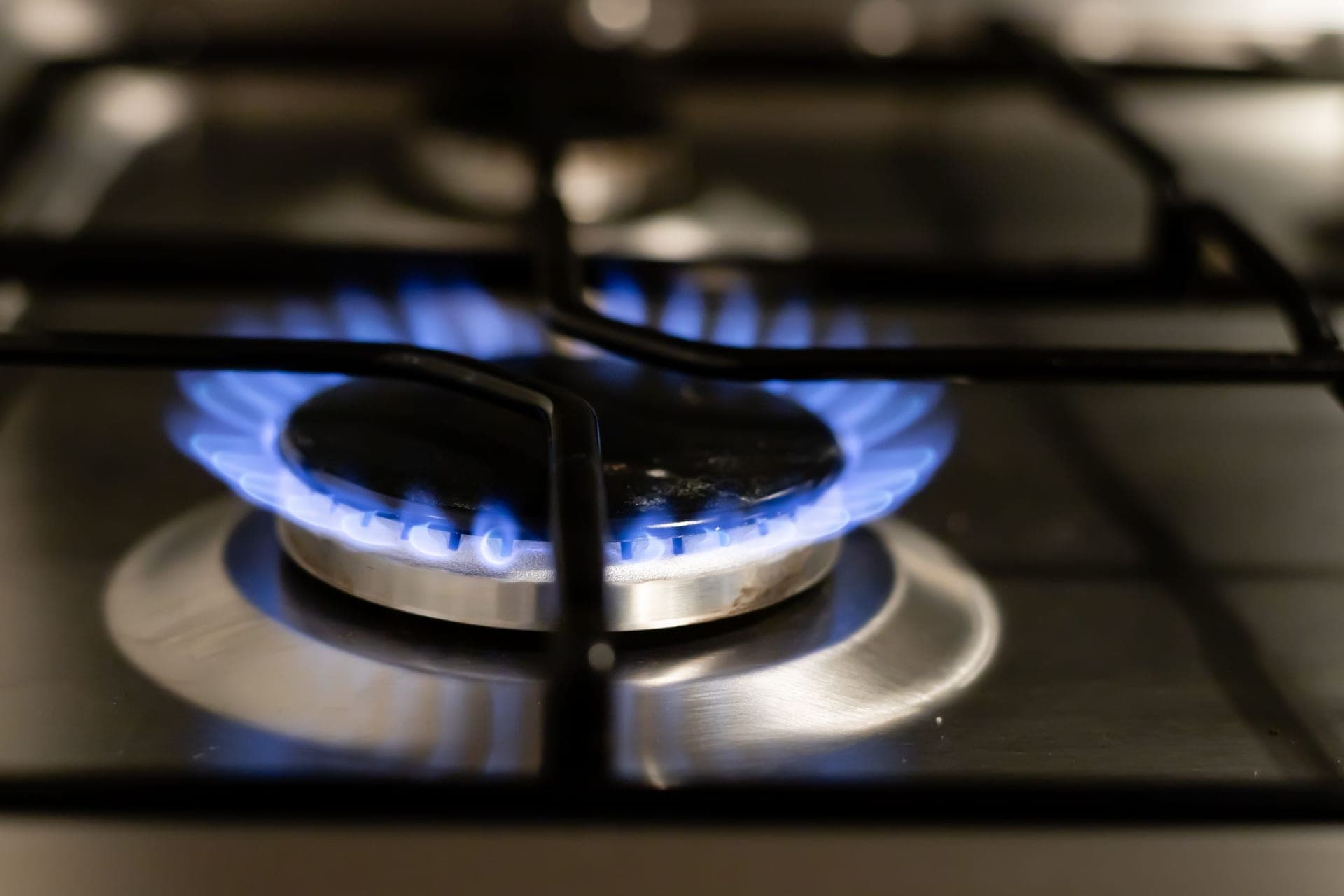
Best Near a Kitchen
The Best Smoke Detectors for Kitchens
The exclusion distances first, then the alarms that belong near a cooker.
Our top pick
X-Sense SC07-W Wireless Interconnected Smoke & CO Alarm
Check price on Amazon#ad how we are funded · we do not cache prices

Best Smart Alarm
The Best Smart Smoke Detectors
The one smart feature worth paying for, and why coverage still beats cleverness.
Our top pick
First Alert SC5 Smart Smoke & Carbon Monoxide Alarm
Check price on Amazon#ad how we are funded · we do not cache prices
Head to head
First Alert vs Kidde Smoke Detectors
Both are listed and both work — the decision is which platform you commit to.
Head to head
Nest Protect vs First Alert SC5
The discontinued original and its promoted successor — what actually transfers.

Review
Google Nest Protect Review
Discontinued, still working, still on a ten-year clock. What owners should do.
Review
X-Sense SC07 Review
Both listings, a display and a ten-year battery — and no interconnect.
Explainer
Ionization vs Photoelectric
The two mechanisms, the fires each sees first, and why photoelectric wins at home.
Guide
When to Replace Smoke Detectors
Where the date is, why the test button proves little, and what to replace with.

Guide
Interconnected Smoke Alarms
Why interconnection matters most, and the wired, wireless and hybrid routes.

Troubleshooting
Smoke Detector Chirping
The diagnostic in order, and why a new battery often is not the answer.
Troubleshooting
Why Your Smoke Alarm Goes Off for No Reason
Position first, contamination second, faulty alarm a distant third.