Smoke Detectors
The Best Smoke Detectors for Kitchens
Most of the answer is a tape measure. But if geometry forces an alarm near the cooker, the listing on the box decides whether you will still have a working alarm in a month.
By Ryder M.Last reviewed
Keep smoke alarms outside a 10 ft radial distance from a fixed cooking appliance. If your layout forces one into the 10 to 20 ft band, it must have an alarm-silencing means or use photoelectric sensing, and from 6 to 20 ft it must be listed for resistance to common nuisance sources from cooking — which NFPA 72 (2025) ties to UL 217 8th edition. All the alarms here are photoelectric for that reason. The cheapest fix for a nuisance-tripping kitchen alarm is usually moving it, not replacing it.
Siren & Safe is reader-funded. We earn a commission on some links on this page, at no cost to you. It does not change what we recommend or the order we rank it in. Full disclosure.
Start with a tape measure, not a shopping list
The chain that produces a dead alarm is short and well documented. An alarm sits too close to a cooker. It trips when someone sears a steak. It happens again. Somebody removes the battery, or hushes it so reflexively that it stops functioning as a warning. Then there is a real fire.
NFPA's research puts 16% of home fire deaths in homes where an alarm was present and failed to operate. Disabled alarms are a large part of that, and nuisance tripping is the commonest reason alarms get disabled.
Which means the first action on this page is free: measure from the cooker to the alarm. If it is under 10 ft, move the alarm. No product on this page fixes a position problem.
The distances, exactly
From NFPA 72 (2025) §29.11.3.4, measured along a horizontal flow path from the stationary or fixed cooking appliance — in practice, a radius on the floor plan.
| Distance from the cooker | What is permitted |
|---|---|
| Under 10 ft | No alarm, unless the unit is specifically listed for installation in close proximity to cooking appliances |
| 10 ft to 20 ft | Permitted with conditions: an alarm-silencing means or photoelectric sensing, and a listing for resistance to common nuisance sources from cooking |
| 6 ft to 20 ft | The nuisance-resistance listing requirement specifically — effective 1 January 2022, and tied by the 2025 edition to UL 217 8th edition |
| Beyond 20 ft | No cooking-related restriction. The 36 in clearances from bathroom doors, supply registers and paddle-fan blades still apply |
The section item list is readable here. Confirm against the edition your jurisdiction has adopted.
What UL 217 8th edition changed
This is the genuinely useful development in smoke alarms of the last few years, and it is worth understanding because it turns a marketing claim into a checkable property.
The 8th edition of UL 217 added nuisance-resistance requirements for cooking aerosols: an alarm has to demonstrate that it does not alarm under defined cooking-nuisance conditions while still responding to real fire scenarios.
NFPA 72 (2025) then leans on it directly. Alarms installed between 10 and 20 ft of a fixed cooking appliance must comply with those requirements, and the 6-to-20 ft band requires the listing. So 'resists false alarms from cooking' stopped being a claim on a box and became a test the alarm passed or did not.
Practically: when you are comparing two alarms for a kitchen-adjacent position, the listing is the differentiator worth reading. A modern listed alarm near a kitchen behaves materially better than a 2015 unit, and that is not a marketing narrative.
Quick picks
Scored against nuisance resistance, silencing control, interconnection, both hazards covered and fits the code conditions. Tap a row for the full write-up. No price is shown anywhere on this site because we do not cache retailer prices.
| # | Product | Best for | Score | Price |
|---|---|---|---|---|
| 1 | 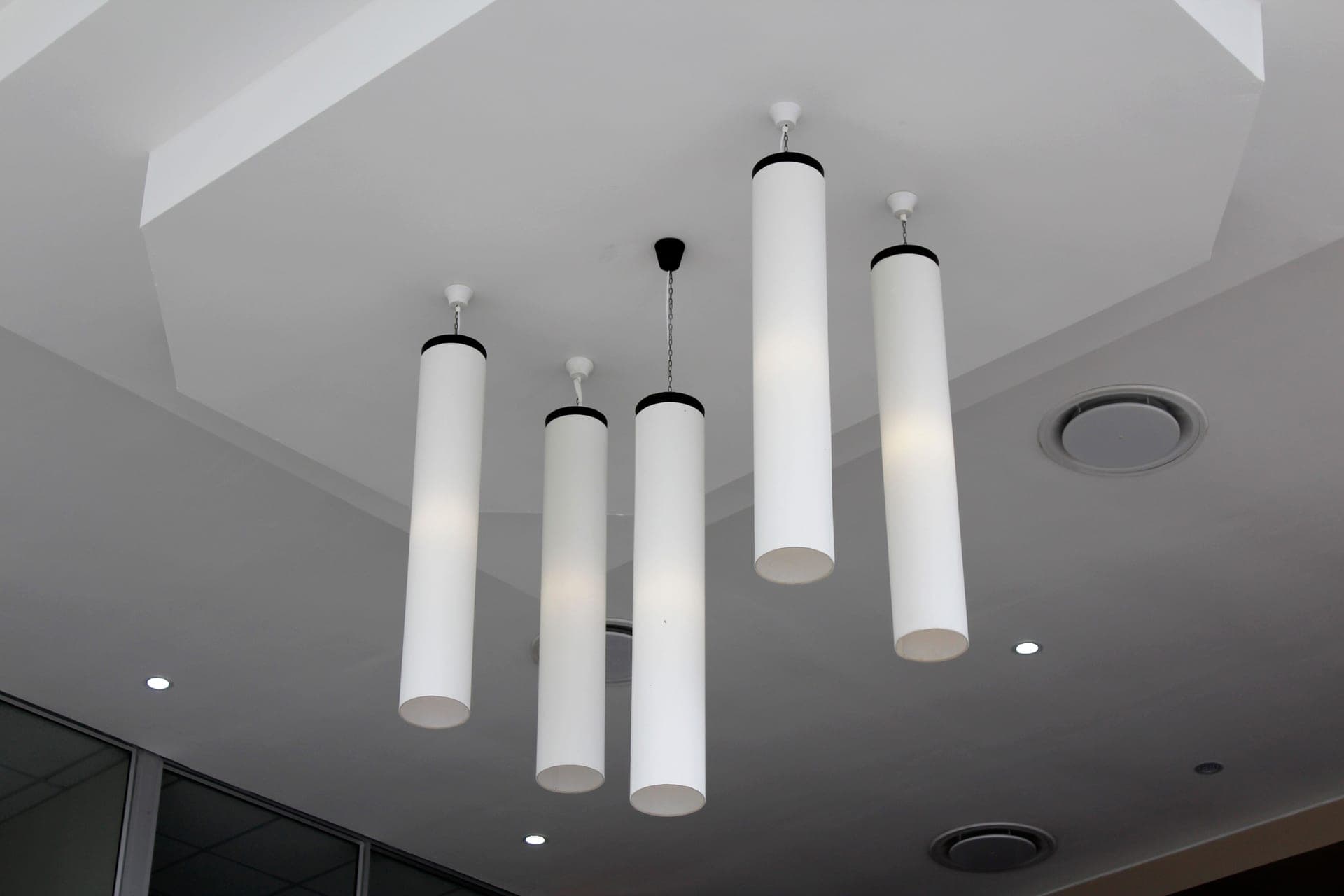 X-Sense SC07-W Wireless Interconnected Smoke & CO Alarm Photoelectric with a hush control and interconnect — the right spec for near a cooker. | A kitchen-adjacent position in a multi-story house | 9.0/ 10 | Check price on Amazon #ad how we are funded · we do not cache prices |
| 2 | 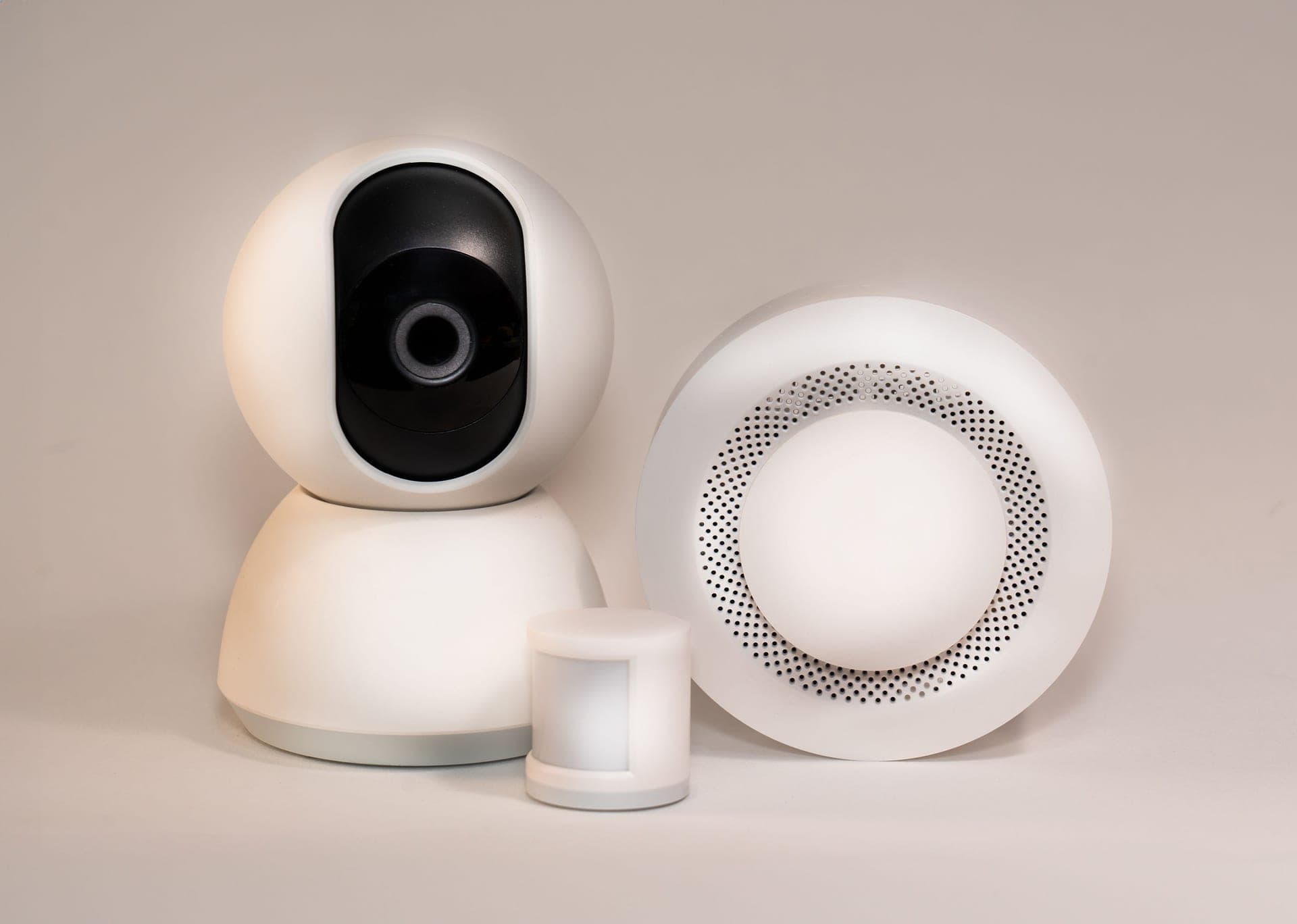 X-Sense SC06 Smoke & Carbon Monoxide Alarm Dust-resistant housing plus photoelectric — two nuisance sources handled. | A kitchen that also collects dust | 7.4/ 10 | Check price on Amazon #ad how we are funded · we do not cache prices |
| 3 | 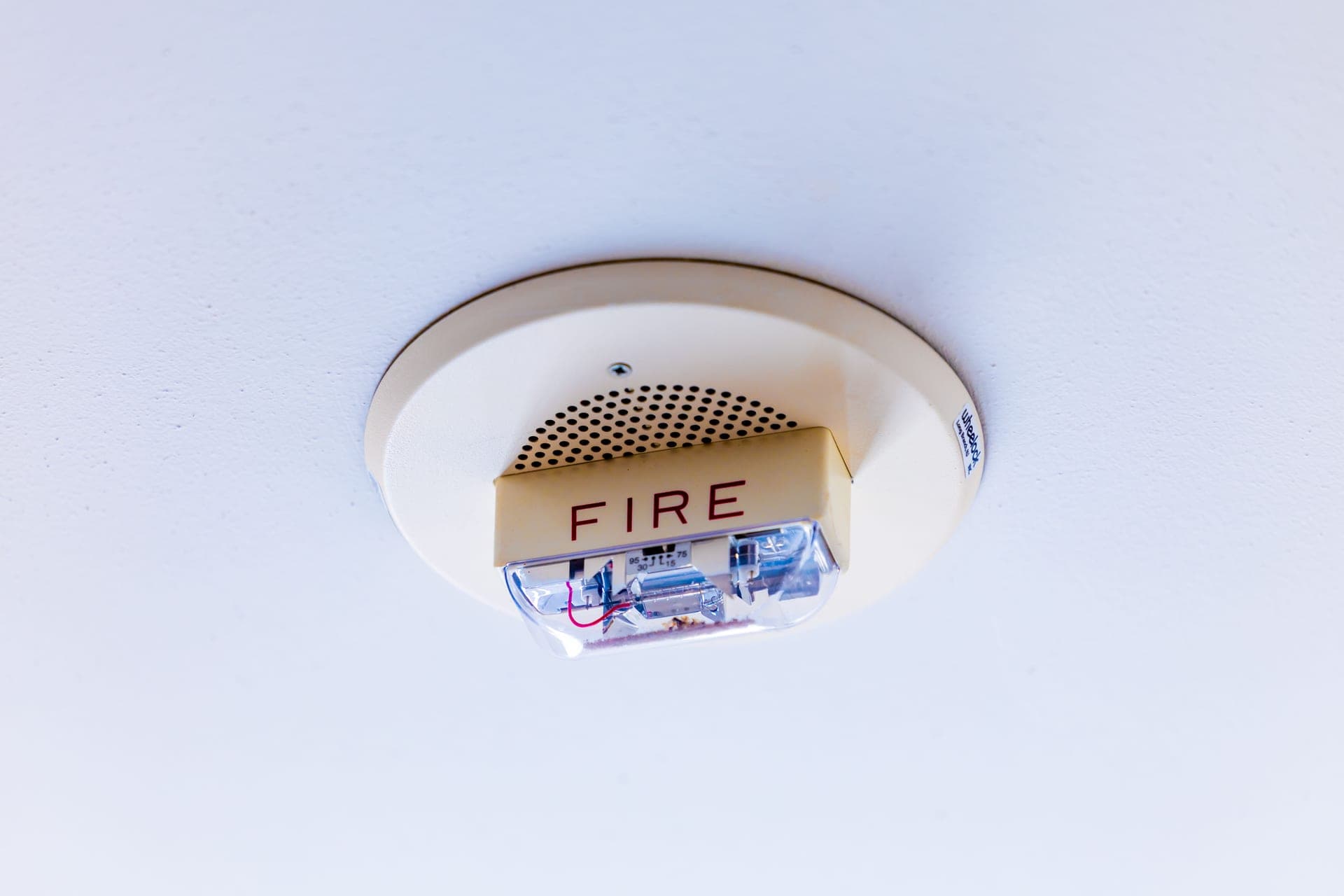 Kidde P4010ACSCO Hardwired Combination Smoke & CO Alarm Photoelectric, interconnected over the wire, and it says which hazard. | A kitchen on an existing wired circuit | 8.3/ 10 | Check price on Amazon #ad how we are funded · we do not cache prices |
The kitchen-adjacent picks in full
Illustrative photo
1. A kitchen-adjacent position in a multi-story house
X-Sense SC07-W Wireless Interconnected Smoke & CO Alarm
Photoelectric with a hush control and interconnect — the right spec for near a cooker.
- Listed to
- UL 217 and UL 2034
- Sensing / agent
- Photoelectric smoke sensing plus an electrochemical CO cell
- Power / service life
- 10-year sealed lithium battery, not hardwired
The reason interconnection appears in a kitchen recommendation is subtle and it matters. In the 10-20 ft band the code permits an alarm with a silencing means, and people use that hush button — regularly. On a standalone alarm, hushing the kitchen unit is a local decision with no cost. On an interconnected set, the rest of the house keeps its protection while the one nuisance-prone position is temporarily quiet.
Photoelectric is the other half of the specification. It responds sooner to smoldering fires and it is markedly less prone to tripping on cooking aerosols than ionization — which is why the code accepts photoelectric as satisfying the 10-20 ft condition on its own.
The CO cell is a genuine bonus with a gas range, since a gas hob produces some carbon monoxide in normal use and a failing burner produces more. Keep the unit a few feet clear of the range so ordinary cooking does not trip the CO side either. Where to install CO detectors.
What it does well
- Photoelectric sensing, which satisfies the 10-20 ft condition and nuisance-trips far less than ionization
- Test and silence on one accessible control — the hush function the code asks for in that band
- Wireless interconnect, so a kitchen alarm hushed locally does not leave the rest of the house silent
- UL 217 and UL 2034, with a CO cell that matters if you have a gas range
The downside
- No amount of good specification fixes an alarm inside the 10 ft exclusion — move it first
- Proprietary mesh across the house
- Photoelectric only, so no dual-sensor coverage of fast flaming fires
Do not buy this if: the position is inside 10 ft of the cooker. Nothing here makes that compliant or sensible — read the placement section and find a spot outside the circle before you buy anything.
- Wireless interconnect for up to 24 units — one alarm triggers the whole set
- No wiring, which is the point: it retrofits interconnection into a house that never had it
- LCD CO reading on each unit
- X-Sense recommends it for large or multi-story homes
#ad how we are funded · we do not cache prices
Illustrative photo
2. A kitchen that also collects dust
X-Sense SC06 Smoke & Carbon Monoxide Alarm
Dust-resistant housing plus photoelectric — two nuisance sources handled.
- Listed to
- UL 217 and UL 2034
- Sensing / agent
- Photoelectric smoke sensing plus an electrochemical CO cell
- Power / service life
- 10-year sealed battery
Dust is the nuisance source nobody talks about. A kitchen adjoining a utility space, a flat with a combined kitchen-laundry, a house being renovated — all of them put particulate into the air that a photoelectric chamber sees.
A dust-resistant housing is a cheap structural answer to that, and this is one of few household alarms that advertises it.
For a single-floor flat it is a reasonable main alarm. For a house, pair it with interconnected units elsewhere, or accept that the kitchen alarm is a local sentinel and make sure the hallway one is interconnected.
What it does well
- Dust-resistant housing, addressing the second big cause of nuisance alarms after cooking aerosols
- Photoelectric, with a single test-and-silence control
- UL 217 and UL 2034 with a 10-year sealed battery
- Goes anywhere — no wiring or outlet needed
The downside
- No interconnect, which is a real limitation in a house over one floor
- No display
- Still must respect the 10 ft exclusion
Do not buy this if: a multi-story house where whole-house alerting matters. Without interconnect it protects its own room, and the kitchen is not usually the room you need woken up in.
- Dust-resistant housing — the cheap fix for nuisance alarms in a dusty utility space
- Dual smoke and CO detection in one ceiling position
- Single test and silence control
- No display: it alarms, it does not report a concentration
#ad how we are funded · we do not cache prices
Illustrative photo
3. A kitchen on an existing wired circuit
Kidde P4010ACSCO Hardwired Combination Smoke & CO Alarm
Photoelectric, interconnected over the wire, and it says which hazard.
- Listed to
- UL 217 and UL 2034
- Sensing / agent
- Photoelectric smoke sensing plus an electrochemical CO cell
- Power / service life
- 120V AC with a 10-year sealed battery backup
The catch with hardwired alarms in kitchens is mobility. If the existing ceiling box sits 7 ft from the range, a like-for-like replacement keeps the nuisance problem — and the fix is either a cap on that box and a new position, or a sealed-battery unit somewhere sensible.
Where the wired position is already outside the exclusion, this is the right unit: photoelectric, interconnected over the existing wire, with a voice that distinguishes smoke from CO.
The voice is genuinely useful here. Kitchens produce the highest rate of ambiguous alarms in the house, and being told which hazard it is shortens the decision.
What it does well
- Photoelectric sensing on an existing 120V circuit, interconnected over the wire
- Voice message names the hazard, which is useful when kitchens produce ambiguous alarms
- UL 217 and UL 2034 in one position
- 10-year sealed backup battery
The downside
- Needs AC power at the position, which constrains where you can move it to
- No display for the CO reading
- Hardwired units are harder to relocate if the position turns out to be wrong
Do not buy this if: you are trying to move an alarm out of the 10 ft exclusion and the only wired box is inside it. A battery unit you can place freely beats a wired one in a bad position.
- Drops straight onto an existing hardwired circuit and interconnects over the wire
- Voice messaging distinguishes a smoke event from a CO event out loud
- One ceiling position covers both hazards
- Needs an existing 120V alarm circuit — it is not a battery-only retrofit
#ad how we are funded · we do not cache prices
The open-plan problem
In a house built before open plans, the kitchen had a door and the nearest alarm was in a hallway 15 ft away. The code's distances were satisfied by accident.
In a modern great room, the cooker and the sofa share a volume. You still need an alarm on that level, the 10 ft circle is a hard exclusion, and the ceiling may be vaulted with a fan in it. The requirements do not conflict — the good positions just get scarce.
Work it in this order. Mark the 10 ft circle around the cooker on the floor with a tape. Mark the 36 in exclusions: supply registers, paddle-fan blade tips, any bathroom door with a tub or shower. Find the ceiling positions outside all of them that smoke from anywhere in the room would still reach. If the only survivors are in the 10-20 ft band, buy a unit that satisfies items 5 and 6.
And consider two alarms rather than one. A large open volume with a single alarm pushed to one end by the cooking exclusion leaves a lot of uncovered ceiling. Two at opposite ends beats one compromise, for the price of one extra alarm. Kitchen and bathroom placement works through the geometry, and sloped ceilings covers the vaulted case.
The other kitchen nuisance sources
Steam. Not just from cooking — a kitchen adjoining a bathroom, or a combined kitchen-laundry, produces plenty. The 36 in clearance from a bathroom door with a tub or shower exists for this, and a running extractor fixes most of the rest.
Dust. Renovation, a dusty utility space, a dry cleaning routine that involves a lot of flour. A dust-resistant housing genuinely helps, and vacuuming around the alarm vents with a brush attachment is a 10-second fix people never do.
Supply registers. Within 36 in, a forced-air register both pushes smoke past the sensor and drives dust into it — two problems from one bad position.
Insects. Small insects in a sensing chamber are a real and underestimated cause. Vacuuming is the same fix.
If an alarm is nuisance-tripping, measure and vacuum before you replace. Smoke alarm false alarms is the diagnostic in order.
What NOT to do
Do not remove the battery. This is the failure this whole page exists to prevent, and it is the thing people do.
Do not bag or tape over an alarm. Same outcome, plus it stays covered long after the cooking finished.
Do not buy an ionization alarm for a kitchen-adjacent position and rely on the hush button. In the 10-20 ft band a silencing means is technically sufficient, and it is the arrangement that trains a household to hush reflexively. Photoelectric is the better half of that either/or. Ionization vs photoelectric.
Do not put an alarm in the kitchen at all if you can avoid it. Just outside, on the route toward the living space, beyond the exclusion, is the better position — a kitchen fire produces plenty of smoke for an alarm a few feet outside the room.
Questions people actually ask
What is the best smoke detector for a kitchen?
How far should a smoke detector be from a stove?
Which smoke detector has the fewest false alarms?
Can I put a smoke alarm in the kitchen?
My kitchen alarm keeps going off — should I replace it?
What is UL 217 8th edition and why does it matter?
How these picks were chosen. On published specifications, safety listings and manufacturer documentation — plus the findings of organizations that do run tests. We have no laboratory and we do not burn anything. Read the full methodology.
Sources
Read next
Smoke Detectors
Why Your Smoke Alarm Goes Off for No Reason
Position first, contamination second, faulty alarm a distant third.
Placement & Code
Kitchen and Bathroom Placement
The cooking and bathroom exclusion distances, and how to satisfy them in an open plan.
Smoke Detectors
Ionization vs Photoelectric
The two mechanisms, the fires each sees first, and why photoelectric wins at home.
Smoke Detectors
The Best Smoke Detectors for a Home
Four alarms, what UL 217 tests, and why interconnection beats every other feature.
Fire Blankets
The Best Fire Blanket for a Kitchen
Why a blanket beats an extinguisher at the hob, and what the cooking-fire standard really covers.
Placement & Code
Smoke Detector Placement, Room by Room
The three requirements, the four exclusions, and an original placement diagram.