Carbon Monoxide Detectors
Where to Install CO Detectors
Carbon monoxide has almost the same density as air. It does not pool at the floor like propane or collect at the ceiling like smoke, which is why the internet cannot agree on a height.
By Ryder M.Last reviewed
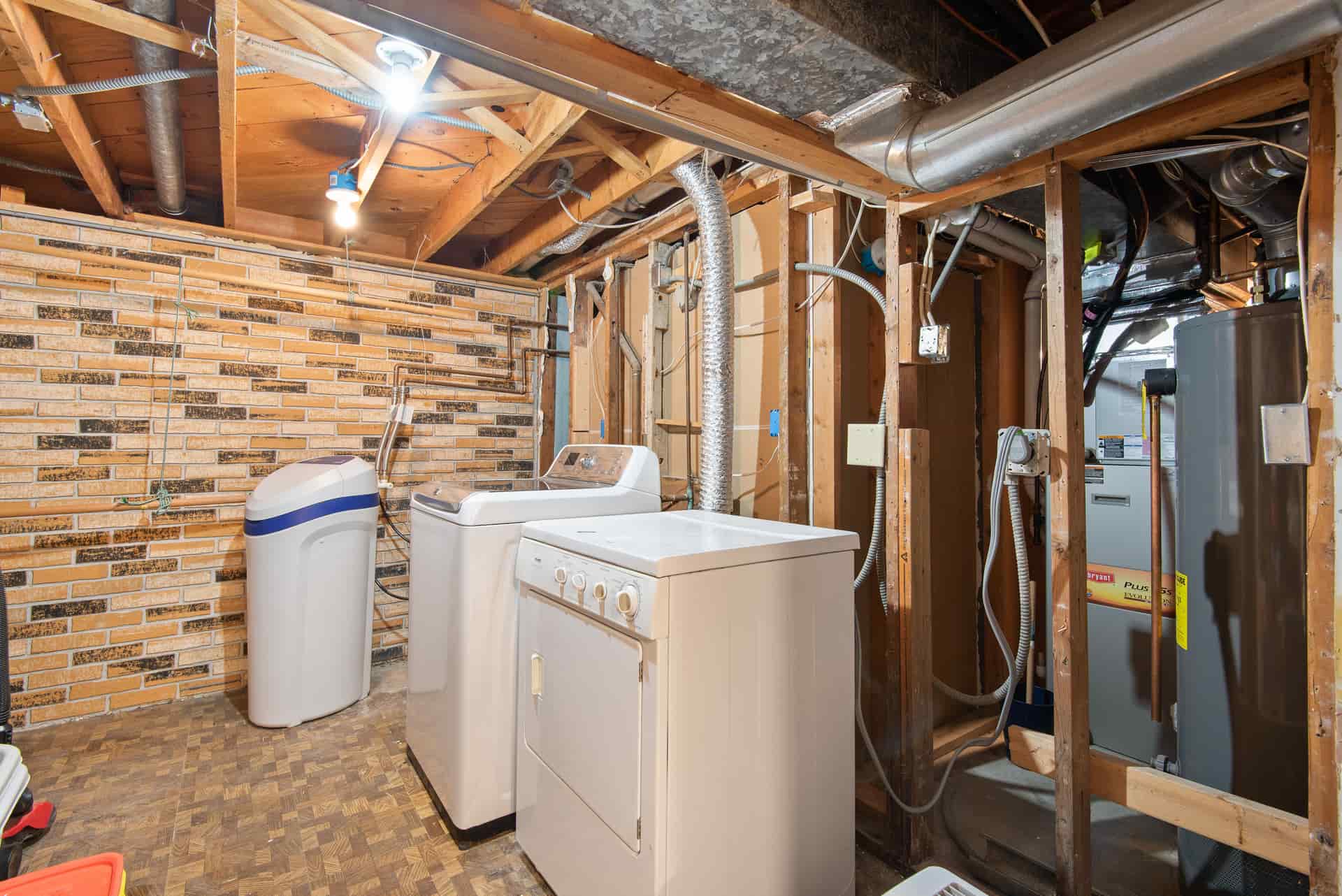
One alarm per level, one within earshot of every sleeping area, and one in or near the space containing the furnace or water heater but not directly above it. For height, follow the manufacturer's instructions for your specific unit — CO mixes with air rather than rising or sinking reliably, so the height is far less important than being in the right room and audible from bed. Avoid dead air within about 6 in of a ceiling-wall corner, and avoid bathrooms, unheated spaces and positions in an appliance's start-up plume.
No picks on this page — it is a positioning problem, and moving an alarm you already own is free. The CO roundup is linked below if the audit says you are short.
The high-or-low question, answered
Carbon monoxide has a molar mass very close to that of air. It is very slightly lighter, and the difference is small enough that it does not meaningfully stratify in a room. That is the whole answer: CO does not sink like propane and it does not rise and layer at the ceiling like smoke. It mixes, and it moves with air currents and with whatever warm gas carried it into the room.
Which is why manufacturers' instructions differ and why you will find confident, contradictory advice everywhere. Some units specify a height; some say any height; some recommend a position relative to the sleeping area rather than a height at all. Follow the instructions for your specific unit — they are part of the listing.
What actually matters, in order: the right room (every level, and the space with the fuel-burning appliance), audible from where people sleep, and not in a position that will nuisance-trip it. Height is a distant fourth.
One height rule does apply for a practical reason: keep the alarm out of the dead air within about 6 in of a ceiling-wall corner, where air movement is minimal. And a plug-in alarm at outlet height has a genuine advantage nobody mentions — you can read its display and press its test button without a stepladder, so you actually do.
Room by room
| Room | Put one here? | Notes |
|---|---|---|
| Hallway outside bedrooms | Yes — the priority position | CO poisoning most often kills people who are asleep. This is the alarm that has to wake them. One per sleeping area. |
| Each bedroom | Worth it, especially with doors closed | A closed bedroom door is excellent for fire survival and it also attenuates an alarm in the hall. An in-room unit removes that problem. |
| Basement or utility room with the furnace / water heater | Yes | This is where most residential CO originates. Same room, several feet away from the appliance — not directly above it. |
| Main living level | Yes | Required as a per-level alarm. A fireplace or wood stove is an extra reason. |
| Adjacent to an attached garage | Yes, on the house side | A car started or idled in an attached garage is one of the commonest residential CO events, and it does not take long. |
| Kitchen with a gas range | Yes, but a few feet clear of the range | A gas hob produces some CO in normal use. Close enough to detect a fault, far enough not to trip on ordinary cooking. |
| Directly above a furnace, boiler or water heater | No | Fuel-burning appliances produce a brief CO spike on start-up. An alarm in the plume nuisance-trips, and a nuisance alarm gets unplugged. |
| Bathroom | No | Humidity. Same reason as smoke alarms. |
| Unheated garage, attic or crawl space | No | Outside most units' rated temperature range, and the readings are meaningless for the living space. |
| Within 6 in of a ceiling-wall corner | No | Dead air. Minimal movement means gas arrives late. |
| Behind furniture or a curtain | No | Restricts airflow to the sensor and muffles the alarm. Also where plug-in units end up when a socket gets reused. |
The per-level and sleeping-area positions reflect the residential requirements in NFPA 72 and IRC R315. Confirm the adopted edition locally.
The appliance-plume problem
This is the placement mistake that leads to unplugged CO alarms, and it is worth understanding because the instinct is exactly wrong.
It feels right to put the CO alarm directly above the furnace: that is where the CO would come from. But a fuel-burning appliance producing a brief, harmless spike of combustion products on ignition is normal, and an alarm sitting in that plume sees it every cycle. After a few weeks of alarms on a cold morning, somebody unplugs it.
The correct arrangement is same space, several feet away — far enough that the alarm is measuring the room rather than the flue, close enough that a genuine fault fills the room and trips it. If the space is small, put the alarm on the far wall or just outside the doorway.
The same logic applies to a gas range, a fireplace and a wood stove: near enough to detect a failure, not in the exhaust path.
Install and audit in twenty minutes
Do the whole house in one pass and write down what you find.
List every fuel-burning thing in the house
Gas or oil furnace, boiler, gas water heater, gas range, gas dryer, fireplace, wood stove, unvented heater, generator. Add an attached garage to the list — a car is a fuel-burning appliance for this purpose.
Count levels and sleeping areas
One alarm per level, one within earshot of each separate sleeping area. Bedrooms at opposite ends of a floor are two sleeping areas.
Read the manual for the specific unit
Height, clearances and whether it is listed for the position you have in mind. Manufacturer instructions are part of the listing and occasionally restrict placement more than general guidance does.
Place, then walk away and listen
Press the test button and go to the furthest bedroom with the door closed. If you cannot hear it clearly from the bed, the alarm is in the wrong place or you need another one.
Check every existing alarm's date
On the back. The electrochemical sensor has a finite life, commonly 7 to 10 years, and the test button tests the horn rather than the cell. Lifespan and replacement.
Press the peak-memory button if the unit has one
A recorded peak you were not present for is how a slow leak gets found. Make it a habit after the first cold week of the year.
Book the appliance service
An alarm tells you the appliance has already failed. An annual professional service of every fuel-burning appliance and flue is what stops it failing, and it is the step people skip.
The positions people most often miss
The basement. The furnace and water heater are usually down there and the basement is the least-visited ceiling in the house. It is simultaneously the most likely source and the most common gap.
The house side of an attached garage wall. Starting a car and letting it warm up with the garage door open is still running an engine in an enclosed space attached to your house. CPSC records this as a recurring pattern.
A bedroom with the door closed. Closed doors are strongly protective in a fire and they attenuate sound. If your alarms are in halls only, test it: close the door, press the button, listen from the bed.
A finished attic or bonus room. It is a level, and it frequently has no alarm of any kind because nobody thinks of it as a floor.
A second dwelling unit. A basement apartment or in-law suite is its own dwelling for these purposes, with its own levels and sleeping areas.
Questions people actually ask
Should a carbon monoxide detector be high or low on the wall?
Where should you not put a carbon monoxide detector?
Where should a CO detector go in a basement?
Do I need a CO detector in every bedroom?
Should a CO detector go near the kitchen?
How high should a carbon monoxide detector be from the floor?
Sources
- NFPA — NFPA 72, National Fire Alarm and Signaling Code (2025 edition)
- International Code Council — IRC Chapter 3 — building planning (R315 carbon monoxide alarms)
- CPSC — Carbon Monoxide Fact Sheet
- UL Solutions — UL 2034 — single and multiple station carbon monoxide alarms
Read next
Carbon Monoxide Detectors
The Best Carbon Monoxide Detectors
Four listed alarms, and why peak-level memory beats a fancier display.
Carbon Monoxide Detectors
Do I Need a Carbon Monoxide Detector?
The five sources all-electric homes forget, and the one case where no is honest.
Carbon Monoxide Detectors
Combination Alarms vs Separate Units
One device or two — the replacement-timing trade nobody mentions.
Placement & Code
Smoke Detector Placement, Room by Room
The three requirements, the four exclusions, and an original placement diagram.
Carbon Monoxide Detectors
CO Detector Lifespan and Replacement
7-10 years from the manufacture date, why the test button proves little, and what END means.