7 guides and comparisons
Escape Ladders
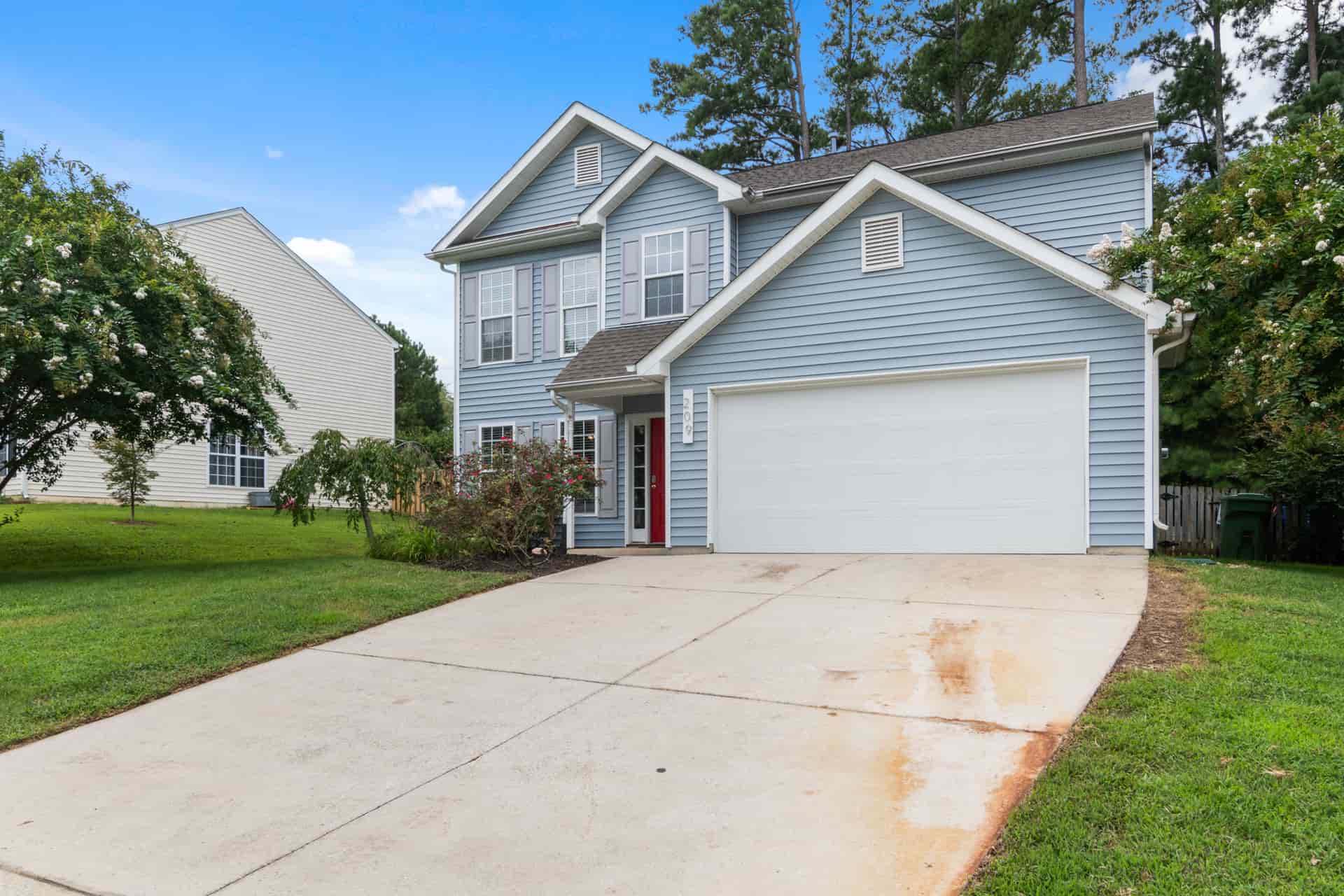
A ladder is the least-used item in home fire safety and the one with the highest consequence of being wrong. Length, stabilizers, and whether the person in that bedroom can physically use it.

For a standard second-floor window, a 13 to 14 ft ladder reaches the ground; a genuine third floor needs 24 to 25 ft. Buy one per upstairs bedroom, not one for the house, because you cannot carry a ladder past a fire. Prioritize standoff stabilizers over headline weight ratings — a ladder that lies flat against the siding gives your feet nowhere to go, which is the thing that stops people mid-climb. And be honest about who is in that room: a 25 ft descent on strap rungs is beyond many adults and most children.
By Ryder M.Last reviewed
Siren & Safe is reader-funded. We earn a commission on some links on this page, at no cost to you. It does not change what we recommend or the order we rank it in. Full disclosure.
What to buy first
One ladder per upstairs bedroom that does not have a second exit. This is the point people resist because it costs more, and it is not negotiable for a sensible reason: in a real fire you cannot cross the landing to fetch a ladder from another room. A ladder stored anywhere other than the room it serves is decoration.
For length, measure from the window sill to the ground rather than guessing from the number of floors. Our picks are in the best 2-story fire escape ladders and the best 3-story ladders.
Then practice the hooking motion with the window open and the ladder still folded. Not the climb — the hooking. That is the step people fumble, and it takes ten seconds to learn.
How the category divides
By rung construction. Strap-and-rung ladders use metal rungs on nylon webbing rails. They are light, cheap and fold small, and they twist and swing against the wall while you climb. Rigid-step ladders with alloy steel steps feel dramatically more stable, weigh more and store bigger.
By whether they stand off the wall. Standoff stabilizers hold the rungs a few inches clear of the siding so there is room for the ball of your foot. Without them your toes are pressed against the wall and the ladder lies flat, which is the single biggest cause of people freezing halfway down. This is the feature we weight most heavily, and it is why Kidde vs First Alert escape ladders reaches the conclusion it does.
By permanent versus portable. A portable ladder is stored in the room and hooked over the sill when needed. A permanently-installed ladder lives in a box below the window and deploys with a pull. Permanent units cost more and remove the hooking step entirely — see permanent vs portable escape ladders.
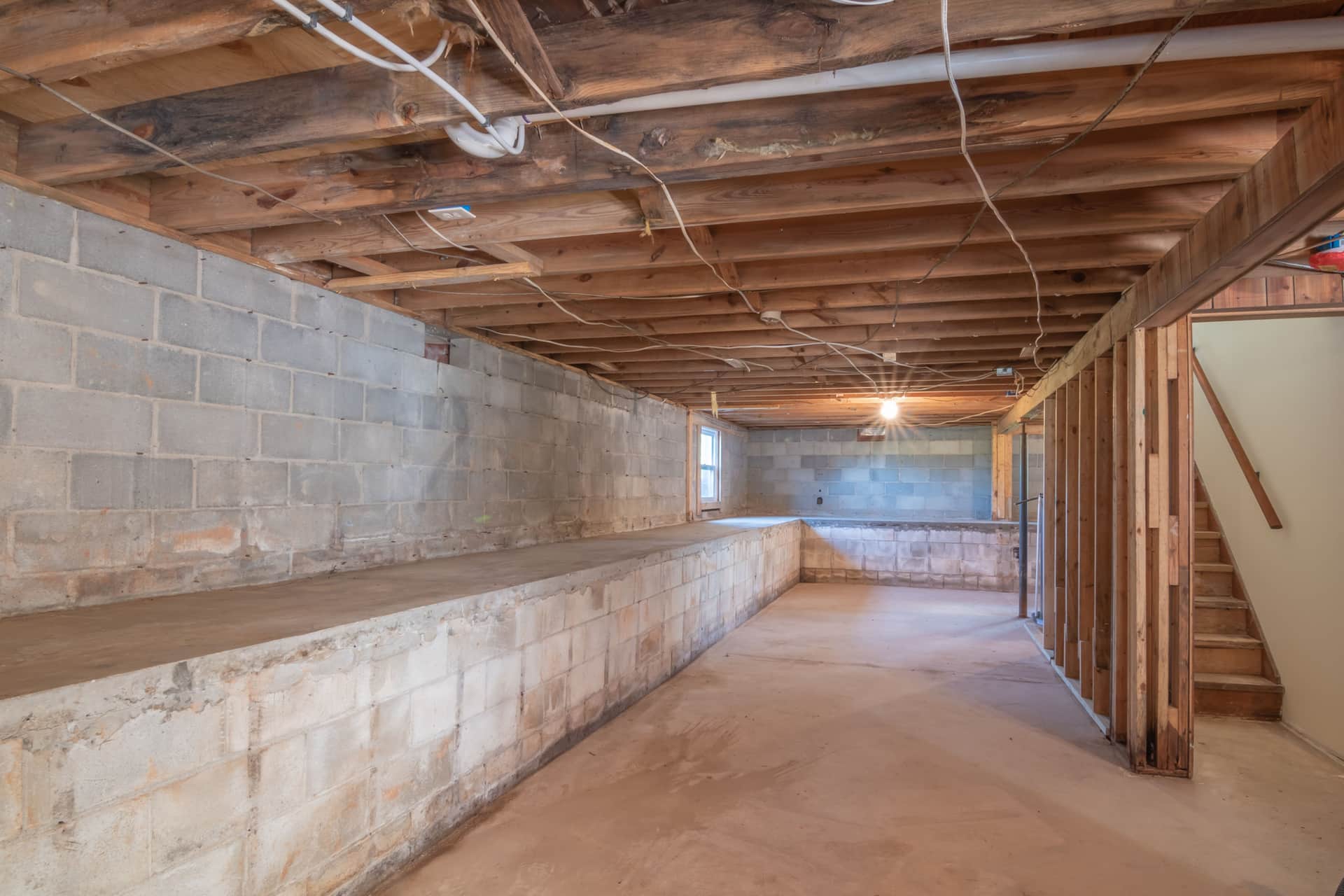
By what is being escaped. A basement window well is a different problem from an upstairs window: shorter, but with an awkward lip and often a grate. Basement window well escape covers it, because the standard ladders are not designed for it.
What decides the price
Length, step construction and stabilizers. A 25 ft rigid-step ladder with standoffs costs several times a 13 ft strap ladder, and most of that difference is material rather than branding.
Weight ratings are quoted inconsistently across this category and are a poor guide to price or quality. Some manufacturers publish a total weight-bearing figure for the assembly (four-figure numbers are common), others publish a per-climber working load. Those are not the same number and should not be compared directly. Read the label that arrives rather than the marketing copy.
What is not worth paying for is a longer ladder than your window needs. Excess length coils on the ground and gets underfoot at the bottom of the descent.
The mistake buyers make
Buying one ladder for a house with three upstairs bedrooms, storing it in a hall cupboard, and never opening the box. All three parts of that are wrong, and the third is the worst: a ladder that has never been deployed is a ladder nobody in the household knows how to hook.
The second mistake is not asking who is in the room. An eight-year-old will not climb 13 ft of swinging strap ladder in the dark. Neither will many adults with shoulder, knee or balance problems. Escape ladders for kids and older adults is an honest page about that, including the cases where the right answer is a different escape plan rather than a ladder.
The third is treating the ladder as the plan. It is one component of one. The US Fire Administration is clear that a home escape plan needs two ways out of every room, an outside meeting place and practice — and a ladder with no practiced plan around it does very little. The fire escape plan template is where to start.
Everything in escape ladders
All 7 pages in this section. Roundup tiles carry their top pick so you do not have to dig for it.

Best 2-Story Ladder
The Best 2-Story Fire Escape Ladders
Two ladders for a second-floor window, and why standoffs beat weight ratings.
Our top pick
First Alert EL52-2 2-Story Fire Escape Ladder (14 ft)
Check price on Amazon#ad how we are funded · we do not cache prices
Best 3-Story Ladder
The Best 3-Story Fire Escape Ladders
Twenty-four to twenty-five feet, the two options, and who genuinely cannot use one.
Our top pick
First Alert 3-Story Fire Escape Ladder (24 ft)
Check price on Amazon#ad how we are funded · we do not cache prices

Head to head
Kidde vs First Alert Escape Ladders
Light and fast to deploy versus rigid and easy to climb — who each one suits.

Head to head
Permanent vs Portable Escape Ladders
The permanent unit deletes the hardest step. Whether that is worth the cost and the install.
How to
How to Use a Fire Escape Ladder
The deployment sequence, the three mistakes at the sill, and how to practice safely.

Guide
Escape Ladders for Kids and Older Adults
Why the ladder often is not the answer for children or older adults, and what is.
Guide
Basement Window Well Escape
Why the short climb is the hard one: opening size, well depth, and grates that do not open.
Escape Ladders: common questions
What length fire escape ladder do I need for a 2-story house?
Do I need one escape ladder per bedroom?
Can a child use a fire escape ladder?
Are permanent escape ladders worth it?
Sources
- US Fire Administration — Home fire escape planning
- NFPA — NFPA 72, National Fire Alarm and Signaling Code (2025 edition)