12 guides and comparisons
Fire Extinguishers
The letters tell you what fires it fights. The numbers tell you how much fire. Almost nobody selling extinguishers explains the numbers, and they are the useful part.

For most houses, one 5 lb ABC extinguisher rated 2-A:10-B:C near the kitchen exit and a second in the garage covers the realistic risks. The letters are fire classes — A for ordinary combustibles, B for flammable liquids, C for energized electrical equipment, K for cooking oils and fats. The numbers before A and B are relative capability ratings from the UL fire tests, so a 4-A unit fights roughly twice the wood-crib fire of a 2-A. There is no number before C, because C only says the agent is safe around live electricity.
By Ryder M.Last reviewed
Siren & Safe is reader-funded. We earn a commission on some links on this page, at no cost to you. It does not change what we recommend or the order we rank it in. Full disclosure.
What to buy first
A 5 lb ABC dry chemical extinguisher rated 2-A:10-B:C, with a metal valve, rechargeable, mounted on a bracket near the kitchen exit. That single specification covers the great majority of household needs, and our reasoning is in the best fire extinguishers for home.
The metal valve is the detail worth insisting on. The cheap end of this category uses plastic valves on non-rechargeable units, which means a partial discharge writes off the extinguisher and there is no service path. An all-metal rechargeable unit can be recharged after use and inspected over its life.
The second unit goes in the garage or workshop, and it should be larger. That is where flammable liquids and equipment live, which is a B and C problem, and a bigger B rating is worth real money there. What size extinguisher do I need works through the sizing properly.
How the category divides
By agent. Dry chemical (monoammonium phosphate, the ubiquitous ABC powder) is versatile, cheap and leaves a corrosive mess. Wet chemical is what Class K units use for cooking oils, and it works by saponifying the fat rather than just smothering it. CO2 leaves no residue and is excellent on electrical and liquid fires but has almost no A capability. Aerosol sprays are a separate, unrated convenience category.
By class. The classes are about the fuel, not the room. A 'kitchen' extinguisher is not automatically Class K — many are ordinary ABC units in a white housing. If you deep-fry, that distinction matters, and the best kitchen extinguishers is explicit about which is which.
By whether it can be serviced. Rechargeable units have a service life measured in decades with periodic inspection. Disposable units have a stamped date and a single use. Fire extinguisher expiration and service covers what to check and when.
By what it is listed to. Portable extinguishers sold in the US are rated and tested under UL 711, and the A:B:C rating on the label is the output of that testing. It is a real, checkable third-party claim — one of the few in home fire safety.
What decides the price
Agent quantity, valve construction and rating. A 10 lb unit rated 3-A:40-B:C costs more than a 4 lb 2-A:10-B:C unit because there is more agent in it and it has been tested against a larger fire.
Some of the price is also the housing and the marketing — white or brushed-steel 'design' extinguishers cost a premium for the same internals and the same rating. That is a legitimate thing to buy if it is the difference between having one on the wall and hiding it in a cupboard, and it is worth nothing at all in fire terms.
What does not vary much is the powder. Monoammonium phosphate is monoammonium phosphate.
The mistake buyers make
Buying one and never touching it again. An extinguisher is the only tool in home fire safety that genuinely requires technique, and the failure mode in real fires is almost always the operator: the pin is left in, the unit is held too far away, or the discharge is aimed at the flame tips instead of the base and the whole charge is gone in a few seconds with no effect. How to use a fire extinguisher walks through the PASS sequence, and reading it once is worth more than upgrading from a 2-A to a 3-A unit.
The second mistake is position. An extinguisher beside the cooker is in the place the fire will be. It belongs on the route out, so that reaching it moves you toward the door.
The third is not knowing what the powder is. ABC dry chemical is a monoammonium phosphate irritant — it is not acutely poisonous, but it is unpleasant to breathe, corrosive to metals and electronics, and a genuine problem for pets. If that is a concern in your house, is fire extinguisher powder toxic answers it properly rather than reassuringly.
Everything in fire extinguishers
All 12 pages in this section. Roundup tiles carry their top pick so you do not have to dig for it.
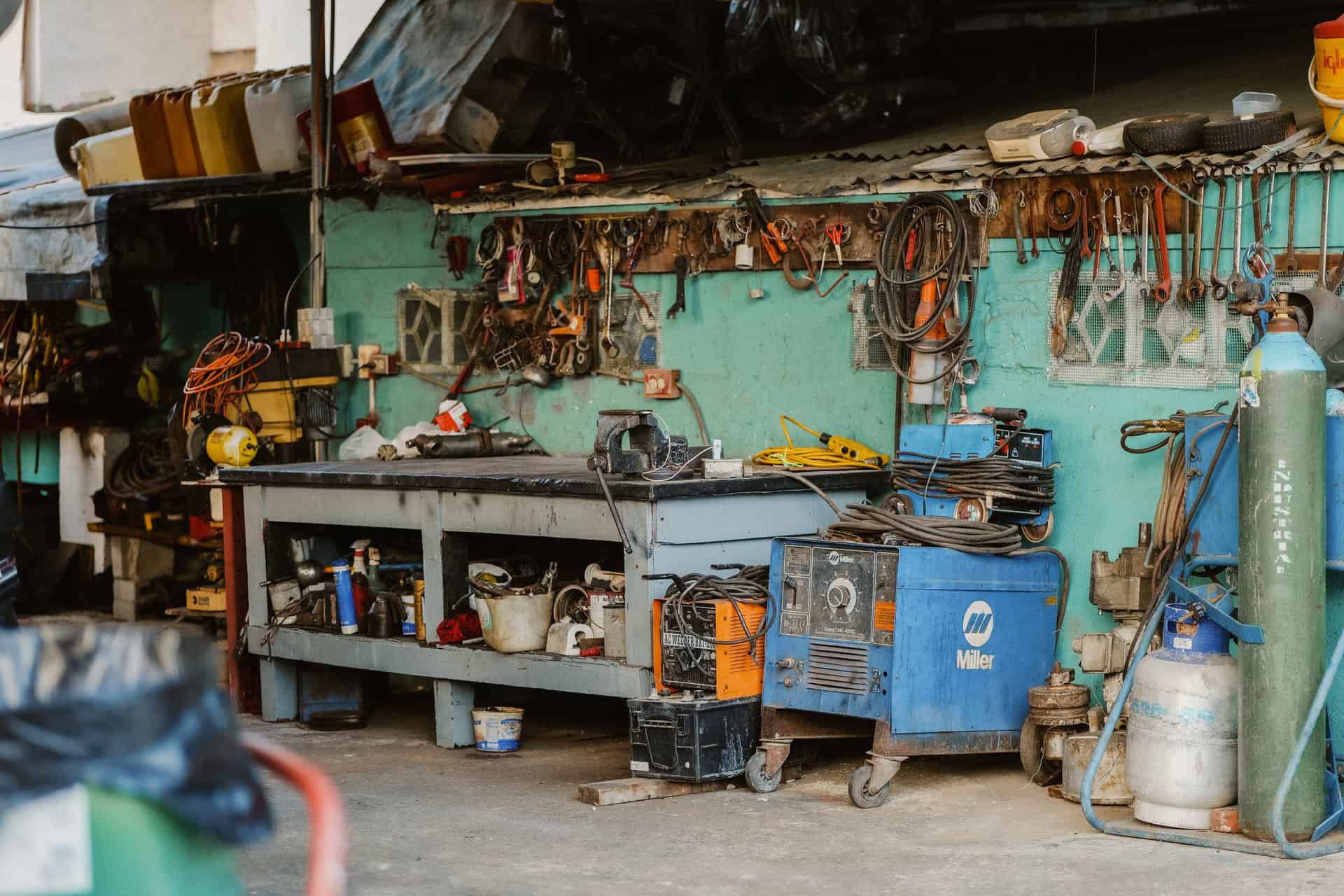
Best Home Extinguisher
The Best Fire Extinguishers for a Home
Four rated units, what the numbers mean, and why the valve material matters.
Our top pick
Amerex B500 5 lb ABC Dry Chemical Extinguisher
Check price on Amazon#ad how we are funded · we do not cache prices
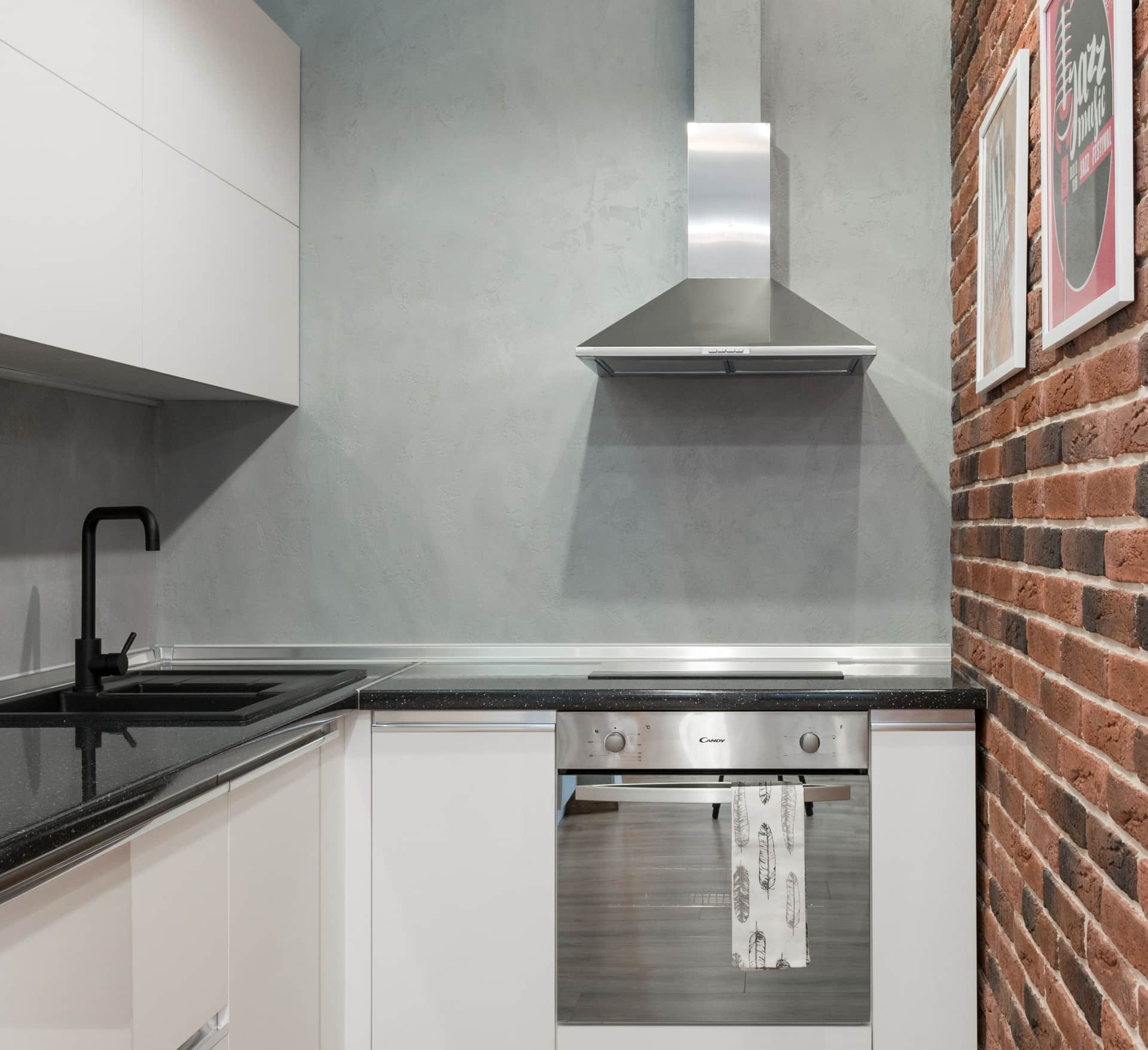
Best for the Kitchen
The Best Kitchen Fire Extinguishers
Class K versus ABC, and why the blanket is the kitchen's first tool.
Our top pick
First Alert EZ Fire Spray AF400
Check price on Amazon#ad how we are funded · we do not cache prices

Best for a Car
The Best Fire Extinguishers for a Car
Size, rating and the mount — plus why you should not open a smoking hood.
Our top pick
First Alert HOME1 Rechargeable Home Extinguisher (2.5 lb)
Check price on Amazon#ad how we are funded · we do not cache prices
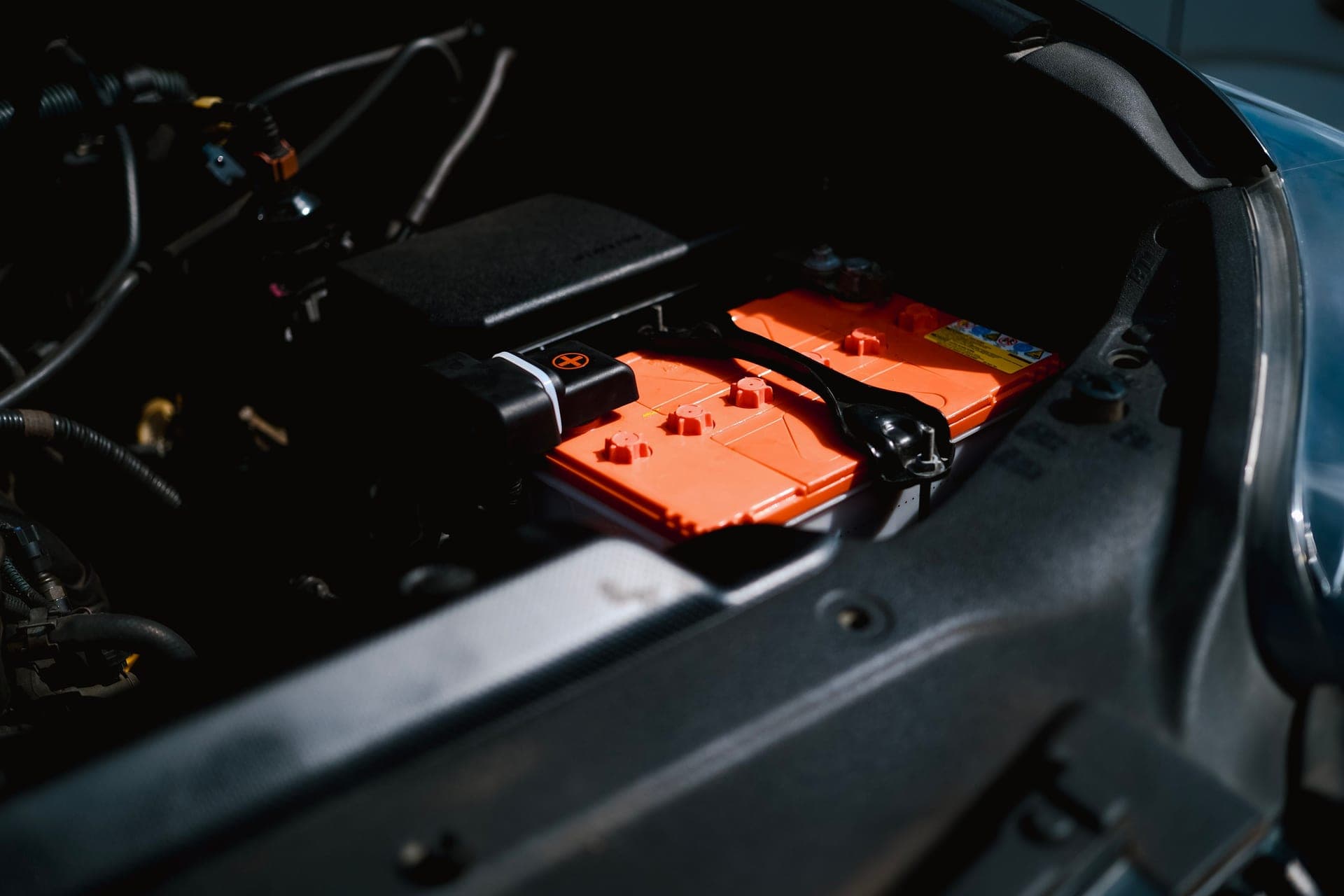
Best for Battery Fires
The Best Fire Extinguishers for Lithium Battery Fires
Why no consumer unit stops a pack in runaway, and what genuinely helps instead.
Our top pick
Amerex B500 5 lb ABC Dry Chemical Extinguisher
Check price on Amazon#ad how we are funded · we do not cache prices
Head to head
Amerex B500 vs First Alert HOME1
Twice the agent and rating, against a unit you can actually control one-handed.

Head to head
Aerosol Spray vs Traditional Extinguishers
Rated capability against something an untrained person will actually use.
Reference
Fire Extinguisher Classes
The full class chart, what the numbers measure, and which agent suits which fire.
How to
How to Use a Fire Extinguisher
PASS, the two decisions that come first, and why aiming at the flames wastes the charge.
Guide
What Size Fire Extinguisher Do I Need?
Weight against rating and run time, and why the likely operator decides it.
Guide
Fire Extinguisher Expiration and Service
Where the date is, what the gauge means, and the service intervals that apply.
Guide
Is Fire Extinguisher Powder Toxic?
What ABC powder actually is, and what it does to lungs, electronics and pets.

How to
How to Put Out a Grease Fire
The correct sequence, why water is catastrophic, and when to leave instead.