Fire Extinguishers
The Best Kitchen Fire Extinguishers
Most extinguishers sold as kitchen units are ordinary ABC in a nicer housing. If you deep-fry, that distinction is the whole question.
By Ryder M.Last reviewed
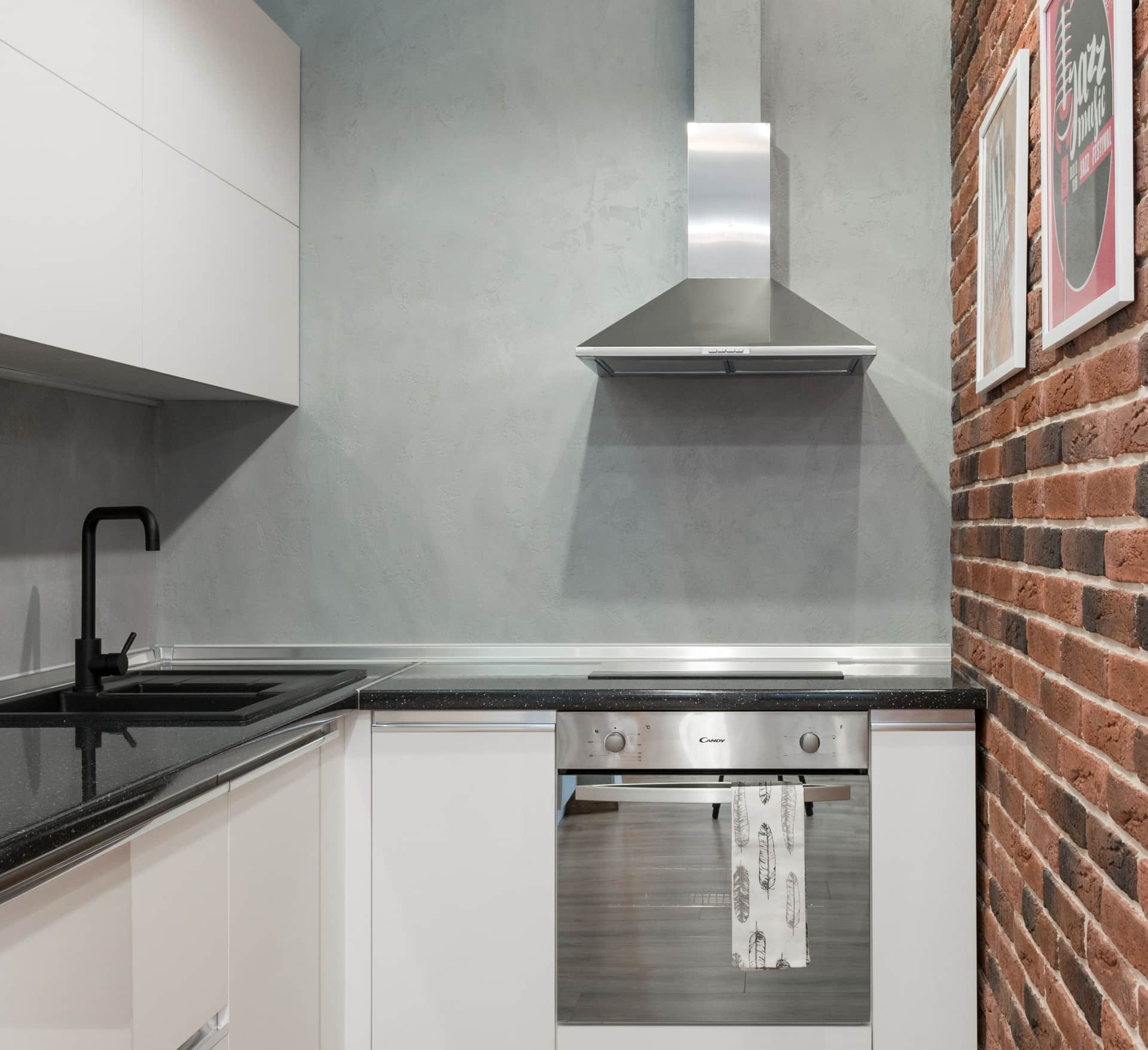
For a kitchen, the honest order is: a fire blanket within one step of the hob, then a small rated ABC extinguisher near the exit. A dry-chemical extinguisher will extinguish a pan fire but its discharge can splash burning oil, which is why it is second rather than first. If you deep-fry regularly, a Class K wet-chemical unit is the correct tool — and a white extinguisher marketed for kitchens is very often plain ABC, so read the label rather than the color.
Siren & Safe is reader-funded. We earn a commission on some links on this page, at no cost to you. It does not change what we recommend or the order we rank it in. Full disclosure.
Why the kitchen is different
Cooking equipment is the leading cause of home fires in the United States, and most of those fires start on a hob with oil or fat. NFPA's cooking-fire research is consistent on this, and it shapes everything about how a kitchen should be equipped.
The specific hazard is a contained liquid fire in a metal vessel — which is the one fire type where a dry-chemical extinguisher's greatest strength, projecting agent from a distance, becomes a liability. A high-velocity discharge into a pan of burning oil can push burning fuel over the cooker and the wall.
That is why the order in a kitchen is blanket first, extinguisher second, and why the extinguisher lives by the door rather than by the hob. The blanket handles the likely fire with no velocity and no residue; the extinguisher handles the unlikely one from a safe approach.
It is also why water is catastrophic here: it flashes to steam beneath the oil layer and throws burning fuel upward. How to put out a grease fire leads on that.
Class K: what it is and whether you need it
Class K is the fire class for cooking oils and fats. It exists as a separate class because those fuels behave differently: they hold enormous heat, and a fire that appears extinguished can reignite as soon as the flames are gone if the oil is still above its auto-ignition temperature.
Class K units use a wet chemical agent, typically a potassium-salt solution, and its mechanism is the reason it works: the agent reacts with the hot fat to form a soapy layer on the surface — saponification — which both smothers the fire and cools the fuel. Dry chemical smothers without cooling nearly as effectively, so reignition is a real risk.
This is why commercial kitchens are required to have Class K units, and why they sit alongside rather than instead of ABC extinguishers.
Do you need one at home? If you deep-fry regularly — a dedicated fryer, or a large pan of oil more than occasionally — yes, it is the correct tool and the reasoning is sound. If you cook normally and your realistic worst case is a shallow pan, a blanket plus an ABC unit is a reasonable position and the blanket is doing the real work.
What you should not do is assume a white or stainless extinguisher sold under a kitchen-themed name is Class K. Very many are plain ABC in a different housing. Read the label for the K.
Quick picks
Scored against suits a pan fire, usable untrained, clean-up, rated capability and satisfies a code requirement. Tap a row for the full write-up. No price is shown anywhere on this site because we do not cache retailer prices.
| # | Product | Best for | Score | Price |
|---|---|---|---|---|
| 1 | 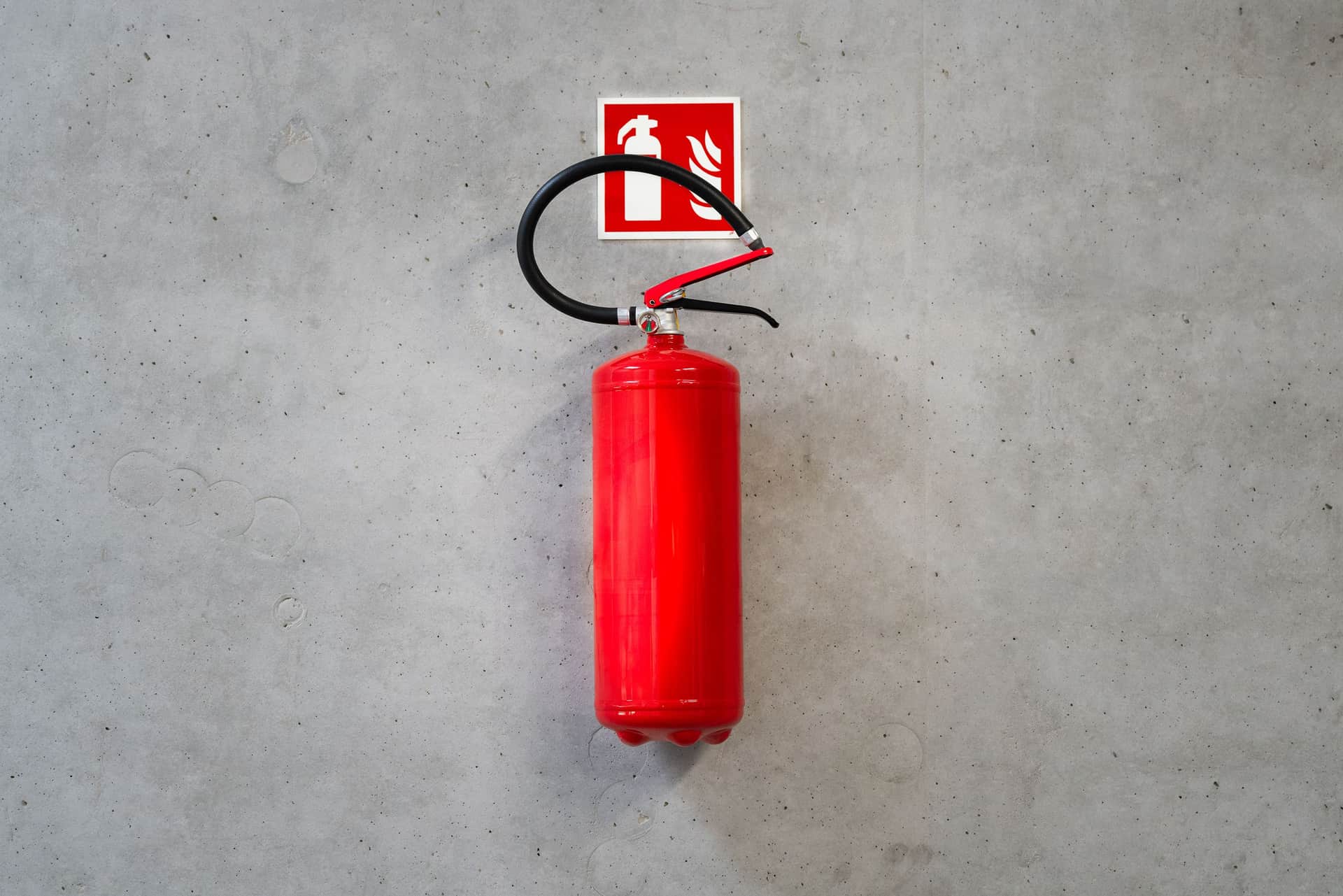 First Alert EZ Fire Spray AF400 No pin, no gauge, no aim, and it wipes up with a cloth. | The tool someone untrained will actually use | 7.0/ 10 | Check price on Amazon #ad how we are funded · we do not cache prices |
| 2 |  Kidde Pro 210 4 lb Multi-Purpose Extinguisher 2-A:10-B:C at 4 lb — enough capability, controllable weight. | The rated unit by the kitchen door | 6.5/ 10 | Check price on Amazon #ad how we are funded · we do not cache prices |
| 3 | Amerex B500 5 lb ABC Dry Chemical Extinguisher More agent and an all-metal valve, for a room with more to burn. | An open-plan kitchen-living space | 6.4/ 10 | Check price on Amazon #ad how we are funded · we do not cache prices |
The kitchen picks in full
Illustrative photo
1. The tool someone untrained will actually use
First Alert EZ Fire Spray AF400
No pin, no gauge, no aim, and it wipes up with a cloth.
- Listed to
- Aerosol extinguishing spray — not a UL-rated A:B:C portable extinguisher
- Sensing / agent
- Sodium-bicarbonate-based extinguishing aerosol
- Power / service life
- Single use; check the stamped expiry
The case for this is behavioral and it is stronger than the spec sheet. The dominant failure mode of extinguishers in homes is that nobody has ever operated one: the pin stays in, the unit is held too far away, the discharge goes at the flame tips. An aerosol can has none of those failure points.
The clean-up advantage is real in a kitchen specifically. Dry chemical over a hob, a worktop and open food is a genuinely unpleasant outcome, and on a small fire the clean-up is often worse than the damage. A bicarbonate aerosol wipes off.
What it is not is a rated extinguisher, and we will not blur that. No A:B:C rating, no UL 711 testing, no code compliance. Treat it as a first-response convenience for a small contained fire, with a rated unit by the door for anything else.
Check the stamped date. Single-use aerosols do expire and nobody looks.
What it does well
- Aerosol can format — point and spray, with nothing to remember under stress
- Sodium-bicarbonate-based agent wipes up rather than leaving corrosive powder over the cooker and the food
- Usable from arm's length instead of contact range
- Cheap enough to keep one in the kitchen and one in the car
The downside
- **Not a UL-rated A:B:C portable extinguisher**, so it does not satisfy a code requirement for one
- Single use, with a stamped expiry to check
- Much less agent than a rated extinguisher — no margin if the first attempt misses
Do not buy this if: it is your only fire tool, or you need a rated extinguisher for a landlord, an inspection or a code requirement. Buy it alongside a rated unit, not instead of one.
- Aerosol can format — no pin, no pressure gauge, aim and spray
- Wipes up with a cloth instead of the corrosive mess dry chemical leaves
- Genuinely easier for someone who will never practice with a real extinguisher
- It is not a rated extinguisher and does not satisfy a code requirement for one
#ad how we are funded · we do not cache prices
Illustrative photo
2. The rated unit by the kitchen door
Kidde Pro 210 4 lb Multi-Purpose Extinguisher
2-A:10-B:C at 4 lb — enough capability, controllable weight.
- Listed to
- UL rated 2-A:10-B:C
- Sensing / agent
- Monoammonium phosphate dry chemical
- Power / service life
- Rechargeable; mounting bracket included
This is the unit that belongs by the kitchen door, and the position is the point. A kitchen fire that has spread to a cabinet or an extractor hood is beyond a blanket, and that is what this is for — approached from the doorway, with the exit behind you.
On a pan of oil, use the blanket first. A dry-chemical discharge aimed into hot oil at close range can throw burning fuel out of the pan. That is not a reason to avoid owning an extinguisher; it is a reason to know which tool is first. Fire blanket vs fire extinguisher.
4 lb rather than 5 is a deliberate recommendation for this room. A kitchen is a confined space with worktops and doorways, and controlling the direction of a discharge one-handed in it is easier with a lighter unit.
What it does well
- UL rated 2-A:10-B:C — real, checkable third-party capability
- 4 lb is controllable one-handed, which matters in a confined kitchen
- Rechargeable with the bracket in the box
- Covers the fire a blanket cannot: one that has left the pan
The downside
- Dry chemical residue is corrosive and will coat the kitchen
- Discharge velocity can splash burning oil if aimed into a pan carelessly
- Not Class K, so it is not the right agent for a deep-fat fire
Do not buy this if: you deep-fry regularly. For that, a Class K wet-chemical unit is the correct agent, because saponifying the fat prevents the reignition that dry chemical does not.
- 4 lb — the lightest unit that still reaches a 2-A rating, which matters for one-handed use
- Rechargeable, with the bracket in the box
- Same 2-A:10-B:C class coverage as heavier units, with less run time
- Less agent means less margin for error if the first attempt misses
#ad how we are funded · we do not cache prices
Illustrative photo
3. An open-plan kitchen-living space
Amerex B500 5 lb ABC Dry Chemical Extinguisher
More agent and an all-metal valve, for a room with more to burn.
- Listed to
- UL rated 2-A:10-B:C
- Sensing / agent
- Monoammonium phosphate dry chemical
- Power / service life
- Rechargeable; all-metal valve and body
An open-plan kitchen-living room is a different fire-risk proposition from a closed kitchen: there is upholstery, there are curtains, and there is no door to close. The A rating starts mattering as much as the B, and the extra run time is worth the weight.
It is also the room where the 10 ft smoke alarm exclusion bites hardest, so while you are thinking about the extinguisher position, check where the alarm is.
Mount it on the far side of the room from the cooker, on the route toward the main exit. In an open plan that usually means near the hallway rather than near the island.
What it does well
- 5 lb of agent gives meaningfully more run time than a 4 lb unit
- All-metal valve and body, fully serviceable
- 2-A:10-B:C covers the furniture and soft furnishings an open-plan room adds
- The unit professional suppliers stock, so recharging is easy
The downside
- Heavier to control in a confined kitchen
- Same corrosive dry-chemical aftermath, over a larger area in an open-plan room
- Not Class K
Do not buy this if: the kitchen is a small galley. In a confined space the extra weight costs you control and buys run time you are unlikely to use before the fire is either out or beyond you.
- All-metal valve rather than plastic, which is the difference between a serviceable unit and a disposable one
- Rechargeable, so a partial discharge during a small fire does not write off the extinguisher
- 2-A:10-B:C covers ordinary combustibles, flammable liquids and energized electrical equipment
- 5 lb is heavier than the supermarket unit and needs a proper bracket
#ad how we are funded · we do not cache prices
Which tool for which kitchen fire
| The fire | First choice | Why |
|---|---|---|
| Pan of oil, still in the pan | Fire blanket | Smothers without moving the fuel, no residue, nothing to aim. Blanket picks |
| Deep-fat fryer | Class K wet chemical | Saponifies the fat and cools it, which prevents the reignition dry chemical allows |
| Small appliance — toaster, kettle, microwave | Unplug it if safe, then blanket or ABC | Removing power removes the ignition source. The C rating covers energized equipment if you cannot |
| Fire in an extractor hood or a cabinet | Leave and call 911 | It is inside the building fabric and above your head. This is not a fire to fight |
| Tea towel or packaging alight on a worktop | ABC extinguisher or blanket | Ordinary combustibles — the A rating |
| Anything that has spread beyond the worktop | Leave and call 911 | USFA is explicit: a kitchen fire grows fast and deciding costs the time you needed to leave |
The rest of the kitchen's fire kit
The blanket within one step of the cooking position, on a side wall, never above the hob. Where to mount it covers the fixing, because adhesive hooks fail on greasy kitchen walls.
The extinguisher by the exit, on a bracket, at a height an adult can lift from.
The smoke alarm outside the 10 ft radial exclusion from the cooker, and if geometry forces it into the 10-20 ft band, a photoelectric or hush-equipped unit listed for cooking-nuisance resistance. Getting this wrong produces nuisance alarms, and nuisance alarms get disabled. Kitchen placement.
A metal pan lid that fits your largest pan, kept where you can reach it. It is free, it is a perfectly good smothering tool, and it is the thing people reach for anyway.
Questions people actually ask
What is the best fire extinguisher for a kitchen?
Is a kitchen fire extinguisher different from an ABC one?
Can you use an ABC extinguisher on a grease fire?
Do I need a Class K extinguisher at home?
Should the extinguisher be next to the cooker?
Is an aerosol fire spray good enough for a kitchen?
How these picks were chosen. On published specifications, safety listings and manufacturer documentation — plus the findings of organizations that do run tests. We have no laboratory and we do not burn anything. Read the full methodology.
Sources
- NFPA — Cooking equipment fires in US homes
- US Fire Administration — Cooking fire safety
- UL Solutions — Fire extinguisher testing and certification (UL 711)
- NFPA — NFPA 10, Standard for Portable Fire Extinguishers
Read next

Fire Extinguishers
How to Put Out a Grease Fire
The correct sequence, why water is catastrophic, and when to leave instead.
Fire Extinguishers
Fire Extinguisher Classes
The full class chart, what the numbers measure, and which agent suits which fire.
Fire Blankets
The Best Fire Blanket for a Kitchen
Why a blanket beats an extinguisher at the hob, and what the cooking-fire standard really covers.
Fire Blankets
Fire Blanket vs Fire Extinguisher
Contact range versus projected agent — and the fires where each one is the wrong choice.
Placement & Code
Kitchen and Bathroom Placement
The cooking and bathroom exclusion distances, and how to satisfy them in an open plan.

Fire Extinguishers
Aerosol Spray vs Traditional Extinguishers
Rated capability against something an untrained person will actually use.