Fire Blankets
Where to Mount a Fire Blanket
There is one placement mistake that undoes the entire purchase, and it is the one that looks most natural: mounting the blanket above the hob.
By Ryder M.Last reviewed
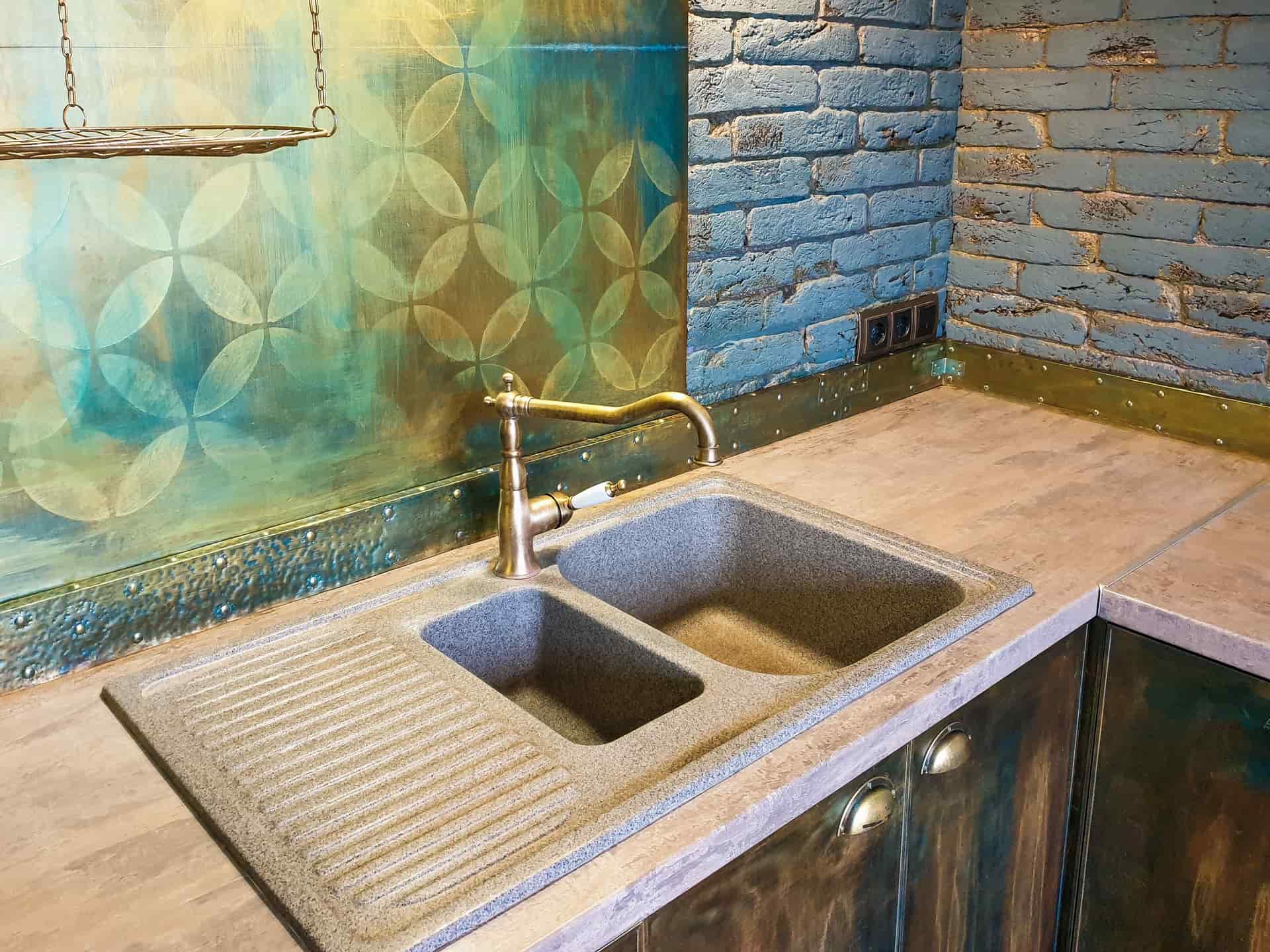
Mount a kitchen fire blanket on a wall to the side of the cooker, within one step, at roughly worktop height — between about 4 and 5 ft from the floor — and never directly above the hob. Above the cooker is exactly where the flames, the rising heat and the smoke will be, so reaching for it means putting your arm into the fire. Use a screw fixing rather than adhesive pads, because kitchen walls collect grease and steam and adhesive lets go quietly.
Siren & Safe is reader-funded. We earn a commission on some links on this page, at no cost to you. It does not change what we recommend or the order we rank it in. Full disclosure.
Why not above the cooker
It is the most intuitive spot and it is the wrong one. A hob fire sends flame and hot gas straight up. Anything mounted above the cooker is in that column, which means the moment you need the blanket is the moment you cannot safely reach it.
It is also the position most likely to be blocked. Extractor hoods, shelves and cupboards live above cookers, and a pouch tucked under a hood is both in the heat path and awkward to open.
The same logic rules out the wall immediately behind the hob and any position that requires reaching across the cooker. The test is simple: stand where you would be standing, imagine flames a foot above the pan, and ask whether your arm would pass through them.
Where it should go
- On a side wall, within one step of the cooking position. Close enough that you do not cross the room, far enough that you are not reaching over heat.
- At roughly 4 to 5 ft from the floor. Worktop-to-eye height. Low enough to grab without stretching, high enough to be out of a small child's reach.
- Toward the exit rather than away from it. If the fire wins you want to be moving in the right direction already.
- Visible, not hidden. A blanket inside a cupboard adds a door to open. A blanket in a drawer under the tea towels is not a fire blanket, it is a tea towel.
- With the gloves on the same hook. They are part of the tool. Storing them elsewhere means you will not use them.
Where it should not go
- Above the hob or behind it. The heat path. This is the mistake this page exists for.
- Under the sink. Damp, and usually full of cleaning products you have to move first.
- In a drawer. Adds seconds and usually means unfolding rather than pulling.
- In a high cupboard. If you need a stool, you do not have a fire blanket.
- Right beside the extinguisher. Spread your tools out. Two tools in one spot means one fire can cut you off from both.
Fixing it so it is still there in two years
Adhesive hooks are what comes in the box and they are the weak point in a kitchen specifically. Cooking puts a fine film of aerosolized grease on every surface, including the wall, and adhesive pads release from greasy paint over months. The failure is silent: the pouch ends up behind a unit and nobody notices until they look for it.
Two small screws into a wall plug take five minutes and outlast the blanket. If you cannot drill — a rental, tiles you do not want to breach — clean the wall thoroughly with a degreaser and let it dry fully before applying the pads, then check the fixing every time you clean the kitchen.
Whichever fixing you use, mount the pouch so the pull tab hangs free and downward. A tab tucked behind the pouch costs you the one-handed opening you paid for.
Where the rest of the kitchen's fire kit goes
The blanket is one of three positions and they should not be in the same place.
The extinguisher goes near the kitchen exit, not by the cooker. You want it on the route out, so that reaching it moves you toward safety and so a fire at the hob cannot stand between you and it. What size extinguisher do I need covers what to put there.
The smoke alarm goes outside the exclusion radius. NFPA 72 (2025) §29.11.3.4 keeps alarms out of a 10 ft radial zone around a fixed cooking appliance, with further conditions between 10 and 20 ft, and out of 36 in from a supply register or a paddle-fan blade. Get this wrong and you will get nuisance alarms, then you will disable the alarm, which is the actual danger. Kitchen and bathroom placement has the details, and smoke alarm false alarms is the troubleshooting route in.
Once those three are right, the kitchen is done. The home fire safety checklist covers the rest of the house.
Questions people actually ask
Where should a fire blanket be mounted in a kitchen?
How high should a fire blanket be mounted?
Can I keep a fire blanket in a drawer?
Will the adhesive hooks hold a fire blanket?
Should the fire blanket and the extinguisher be kept together?
How these picks were chosen. On published specifications, safety listings and manufacturer documentation — plus the findings of organizations that do run tests. We have no laboratory and we do not burn anything. Read the full methodology.
Sources
- NFPA — NFPA 72, National Fire Alarm and Signaling Code (2025) — §29.11.3.4 location requirements
- US Fire Administration — Cooking fire safety
- NFPA — Cooking equipment fires in US homes
Read next
Fire Blankets
The Best Fire Blanket for a Kitchen
Why a blanket beats an extinguisher at the hob, and what the cooking-fire standard really covers.
Fire Blankets
The Best Fire Blankets for a Home
Three blankets worth mounting, plus the woven-fiberglass issue the sellers leave out.
Placement & Code
Kitchen and Bathroom Placement
The cooking and bathroom exclusion distances, and how to satisfy them in an open plan.
Fire Extinguishers
What Size Fire Extinguisher Do I Need?
Weight against rating and run time, and why the likely operator decides it.
Placement & Code
Home Fire Safety Checklist
A printable room-by-room audit of alarms, CO detection, exits and suppression.