Fire Extinguishers
The Best ABC Fire Extinguishers
One agent, three fire classes, and a UL rating that tells you exactly how much fire it will put out. Read the rating, not the size of the label.
By Ryder M.Last reviewed
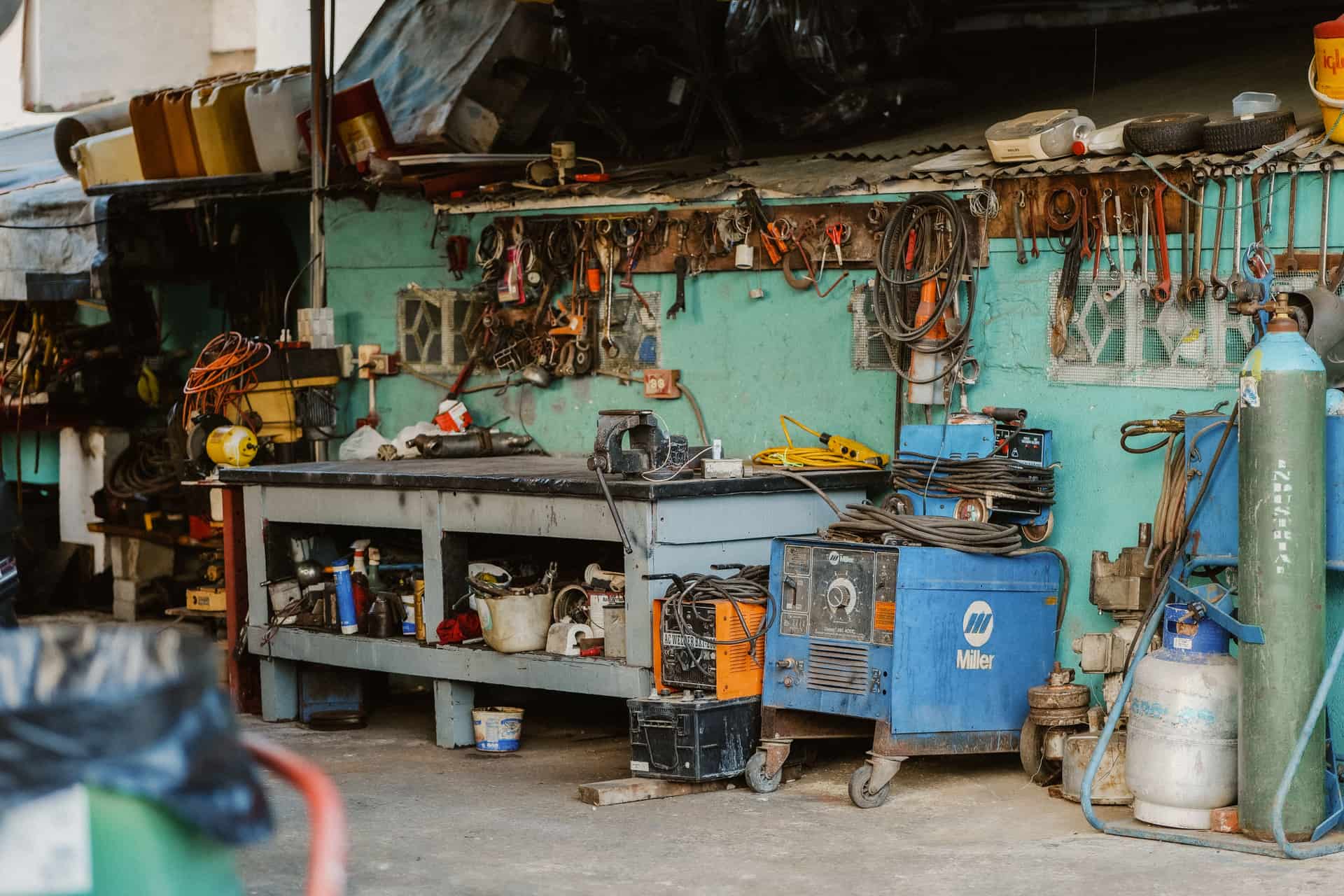
Buy the Amerex B500 if you want one ABC extinguisher for a house: UL rated 2-A:10-B:C, rechargeable, with an all-metal valve rather than the plastic one that makes a cheaper unit disposable. The budget pick is the First Alert HOME1 at 1-A:10-B:C - half the ordinary-combustible rating but light enough to aim accurately one-handed, which matters more than most buying guides admit. If the room you are protecting holds fuel, solvents or machinery, step up to the First Alert PRO10 at 4-A:60-B:C, six times the flammable-liquid rating of a supermarket unit. And if weight is the constraint, the Kidde Pro 210 reaches a full 2-A rating at 4 lb. Every unit here is monoammonium phosphate dry chemical, which is what ABC means, and every one leaves a corrosive mess you will be cleaning for days.
Siren & Safe is reader-funded. We earn a commission on some links on this page, at no cost to you. It does not change what we recommend or the order we rank it in. Full disclosure.
What ABC means, and what the numbers in front of it mean
ABC describes the fire classes an extinguisher is rated for. Class A is ordinary combustibles - paper, wood, fabric, upholstery. Class B is flammable liquids - gasoline, solvents, oil-based paint. Class C means the agent has been tested as non-conductive, so the unit is safe to use on energized electrical equipment. An ABC extinguisher covers all three from one cylinder, which is why it is the general-purpose household choice. The agent doing that work is almost always monoammonium phosphate dry chemical.
The numbers matter more than the letters. A rating like 2-A:10-B:C is a UL test result, not a marketing size. The figure before the A scales with the amount of ordinary combustible fire the unit extinguished in a standardized test, so a 4-A unit put out roughly twice as much as a 2-A one. The figure before the B is approximately the square footage of flammable-liquid fire a trained operator extinguished. C carries no number - it is a pass or fail on conductivity.
That is why a 1-A:10-B:C unit and a 4-A:60-B:C unit are genuinely different products rather than different sizes of the same thing. In a hallway, where the realistic fire is a waste bin or a sofa arm, the A number is what counts. In a garage with a fuel can and a charger on the bench, the B number is. Buying one unit for the whole house means buying for the worst room or accepting that one room is under-protected.
What ABC does not cover is cooking oil - that is Class K, a different agent and a different unit - and lithium-ion battery fires, which no consumer extinguisher reliably stops. Fire extinguisher classes is the full reference, and what size fire extinguisher do I need works through the sizing for a real house.
Quick picks
Scored against ul rating for the money, serviceability, one-handed usability, coverage breadth and mounting and storage. Tap a row for the full write-up. The price in each buy button is the live Amazon price at the last check, stamped with the date it was taken.
| # | Product | Best for | Score | Price |
|---|---|---|---|---|
| 1 | 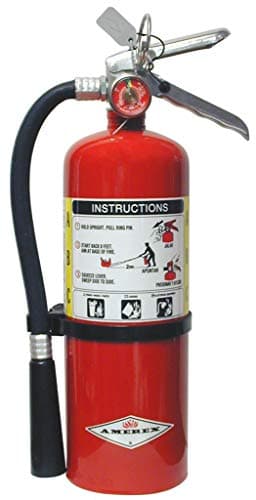 Amerex B500 5 lb ABC Dry Chemical Extinguisher UL rated 2-A:10-B:C with an all-metal valve and a rechargeable body. The difference between a serviceable extinguisher and a disposable one. | The one ABC extinguisher to put in a house | 9.1/ 10 | $75.00 · View on Amazon #ad how we are funded · price as of November 11, 2026 |
| 2 | 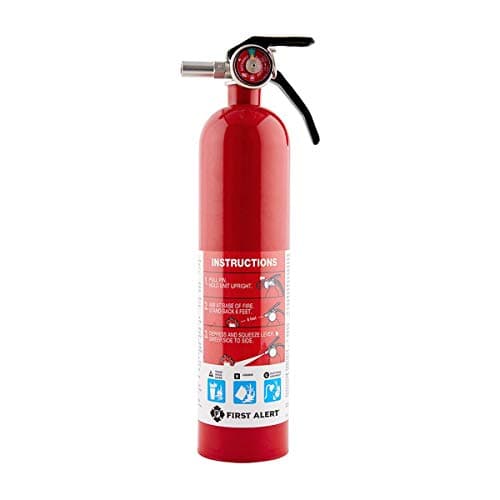 First Alert HOME1 Rechargeable Home Extinguisher (2.5 lb) UL rated 1-A:10-B:C at 2.5 lb, with a metal head and pull pin. Half the Class A rating of the Amerex, and the one more people can actually use. | The budget pick - the lightest unit most people can aim accurately | 8.6/ 10 | $26.98 · View on Amazon #ad how we are funded · price as of November 11, 2026 |
| 3 | 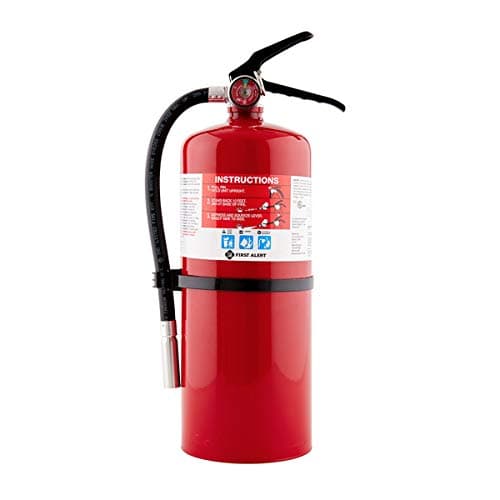 First Alert PRO10 Rechargeable Heavy Duty Extinguisher UL rated 4-A:60-B:C, which is six times the flammable-liquid rating of a typical household unit. All-metal, rechargeable, and heavy. | A garage, workshop or home office - where liquids and machinery are the risk | 8.9/ 10 | $72.98 · View on Amazon #ad how we are funded · price as of November 11, 2026 |
| 4 | 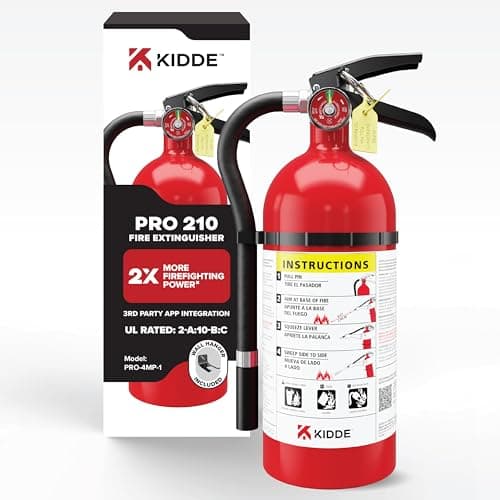 Kidde Pro 210 4 lb Multi-Purpose Extinguisher UL rated 2-A:10-B:C at 4 lb - the lightest unit in this registry that still reaches a full 2-A, with the bracket in the box. | A full 2-A rating at the lightest possible weight | 8.8/ 10 | $54.97 · View on Amazon #ad how we are funded · price as of November 11, 2026 |
The picks
1. The one ABC extinguisher to put in a house
Amerex B500 5 lb ABC Dry Chemical Extinguisher
UL rated 2-A:10-B:C with an all-metal valve and a rechargeable body. The difference between a serviceable extinguisher and a disposable one.
- Listed to
- UL rated 2-A:10-B:C
- Sensing / agent
- Monoammonium phosphate dry chemical
- Power / service life
- Rechargeable; all-metal valve and body
Why the metal valve is the specification that matters. A plastic valve cannot be reliably serviced, so the unit is disposable by design: use any part of it and it is scrap. A metal valve means the extinguisher can be discharged, recharged and kept, which changes the economics completely over a decade and removes the quiet incentive not to use it.
What 2-A:10-B:C means in practice. The number before the A scales with how much ordinary combustible fire the unit will extinguish in a standardized test; the number before the B is roughly the square footage of flammable-liquid fire. C means the agent has been tested as non-conductive, so it is safe on live electrical equipment. A 2-A:10-B:C unit is the general-purpose household size.
Mount it, do not store it. An extinguisher in a cupboard behind the vacuum cleaner is not available in the fifteen seconds you have. On a bracket, on the escape route, at a height anyone in the house can lift it from - where to mount a fire extinguisher covers the positions.
What it does well
- **UL rated 2-A:10-B:C** - ordinary combustibles, flammable liquids and energized electrical equipment, with a full 2-A for the Class A fires a house actually has
- **All-metal valve and body rather than plastic**, which is the single specification separating a unit that can be serviced from one that is thrown away
- **Rechargeable**, so a partial discharge on a small fire does not write off the extinguisher
- **5 lb of agent** gives meaningfully more discharge time than a 2.5 lb unit, which is run time you will want
- **A professional-grade unit at a domestic price**, and the one most often specified by people who do this for a living
- Monoammonium phosphate dry chemical - the standard ABC agent, widely understood and widely serviced
The downside
- **5 lb is heavier than the supermarket unit** and needs a proper bracket rather than a cupboard floor
- **Harder to aim one-handed** than a 2.5 lb cylinder, which matters for anyone who cannot handle the weight
- **Dry chemical leaves a corrosive residue** that is genuinely unpleasant to clean and can damage electronics and bare metal
- **Recharging needs a certified professional**, so it is a trip rather than a task
- No Class K rating, so it is the wrong unit for a deep-fat fryer fire
Do not buy this if: a kitchen fire involving cooking oil, where a Class K unit or a fire blanket is the correct response - see [kitchen Class K versus ABC](/fire-extinguishers/kitchen-class-k-vs-abc). It is also not a one-handed extinguisher for someone who cannot lift 5 lb at arm's length.
- All-metal valve rather than plastic, which is the difference between a serviceable unit and a disposable one
- Rechargeable, so a partial discharge during a small fire does not write off the extinguisher
- 2-A:10-B:C covers ordinary combustibles, flammable liquids and energized electrical equipment
- 5 lb is heavier than the supermarket unit and needs a proper bracket
#ad how we are funded · price as of November 11, 2026
2. The budget pick - the lightest unit most people can aim accurately
First Alert HOME1 Rechargeable Home Extinguisher (2.5 lb)
UL rated 1-A:10-B:C at 2.5 lb, with a metal head and pull pin. Half the Class A rating of the Amerex, and the one more people can actually use.
- Listed to
- UL rated 1-A:10-B:C
- Sensing / agent
- Monoammonium phosphate dry chemical
- Power / service life
- Rechargeable by a certified professional; metal head and pull pin
Weight is a real specification. The standard advice is to stand 6 to 8 feet back, pull the pin, aim at the base of the fire and sweep. All of that assumes you can hold the cylinder steady and direct the nozzle. A 5 lb unit at arm's length is beyond a lot of people, including many of those most likely to be at home when a fire starts, and an extinguisher that cannot be aimed is worse than a lighter one with a lower rating.
Buy two rather than one big one. One by the kitchen door and one upstairs beats a single heavier unit in the hall, because the decisive factor is whether an extinguisher is within reach of where the fire is.
Know when not to use it. Anything bigger than a wastebasket, anything blocking your exit, anything producing smoke you cannot see through - leave, close the door, call the fire service. How to use a fire extinguisher covers the decision as well as the technique.
What it does well
- **2.5 lb - the lightest unit most people can aim accurately with one hand**, which is a safety specification and not a convenience one
- **UL rated 1-A:10-B:C**, so all three classes are covered including live electrical
- **Metal head and metal pull pin with a safety seal**, not the plastic valve of the true disposable tier
- **Rechargeable by a certified professional**, so a small discharge is not the end of the unit
- **Color-coded corrosion-resistant gauge and a mounting bracket in the box**
- Cheapest rated extinguisher in this roundup, which makes one per floor affordable
The downside
- **1-A is half the ordinary-combustible rating of a 2-A unit** - that is the direct trade for the size and weight
- **Less agent means less run time** and less margin if your first attempt misses the base of the fire
- **Dry chemical residue**, same corrosive clean-up as every ABC unit here
- **No Class K rating** for cooking oil
- A 2.5 lb cylinder is easy to put in a cupboard and forget, which is exactly what should not happen
Do not buy this if: a garage, workshop or anywhere holding fuel and machinery - the rating is too low for that risk and the PRO10 below is the right unit. See [best garage fire extinguishers](/fire-extinguishers/best-garage-fire-extinguishers).
- 2.5 lb — the lightest unit most people can aim accurately with one hand
- Metal head and a metal pull pin with a safety seal, not the plastic valve of the disposable tier
- Color-coded corrosion-resistant gauge and a mounting bracket in the box
- 1-A is half the ordinary-combustible rating of a 2-A unit, which is the trade for the size
First Alert product documentation
#ad how we are funded · price as of November 11, 2026
3. A garage, workshop or home office - where liquids and machinery are the risk
First Alert PRO10 Rechargeable Heavy Duty Extinguisher
UL rated 4-A:60-B:C, which is six times the flammable-liquid rating of a typical household unit. All-metal, rechargeable, and heavy.
- Listed to
- UL rated 4-A:60-B:C
- Sensing / agent
- Monoammonium phosphate dry chemical
- Power / service life
- Rechargeable by a certified professional; all-metal construction with a commercial-grade metal valve and head; 12-year limited warranty
Match the rating to the room, not to the house. A hallway fire is a Class A fire: paper, upholstery, a waste bin. A garage fire is as likely to be gasoline, brake cleaner or a charger, which is Class B and C territory. The 60-B rating is the specification that distinguishes this unit, and in a garage it is the one that counts.
Weight buys run time. More agent means more seconds of discharge, which is what you need when the fire is bigger than a bin and you have decided to fight it. That decision should still be rare.
Lithium-ion is the exception. Dry chemical does not stop a battery pack in thermal runaway, and no consumer extinguisher does. Best lithium battery fire extinguishers covers what is actually available for that.
What it does well
- **4-A:60-B:C** - a far larger rating than most home units, and six times the flammable-liquid rating of the common 10-B:C supermarket cylinder
- **All-metal valve and head with a commercial-grade construction** and a 12-year limited warranty
- **Rechargeable by a certified professional** rather than disposable
- **Suits the rooms where the real risk lives**: a garage with fuel, a workshop with solvents, an office full of equipment
- **Mounting bracket and a color-coded corrosion-resistant pressure gauge in the box**
- The highest-rated ABC unit in this registry by a wide margin
The downside
- **Bigger and heavier**, which is a genuine problem for anyone who cannot handle the weight one-handed - and the reason it is not the top pick here
- **Needs a solid bracket on a solid wall**, not a shelf
- **Dry chemical residue over a larger area** because there is more agent to discharge
- **Overkill in a hallway or bedroom**, where a 1-A or 2-A unit is the right answer
- Professional recharge only
Do not buy this if: a household where nobody can comfortably lift and aim a heavy cylinder, or a kitchen - cooking oil needs Class K. For the kitchen case see [best kitchen fire extinguishers](/fire-extinguishers/best-kitchen-fire-extinguishers).
- 4-A:60-B:C is a far larger rating than most home units — six times the flammable-liquid rating of the 10-B:C supermarket unit
- Rechargeable rather than disposable, with an all-metal valve and head
- Suits a garage, workshop or home office where liquids and equipment are the realistic risk
- Mounting bracket and a color-coded corrosion-resistant pressure gauge in the box
- Bigger and heavier, which is a real problem for anyone who cannot handle the weight one-handed
#ad how we are funded · price as of November 11, 2026
4. A full 2-A rating at the lightest possible weight
Kidde Pro 210 4 lb Multi-Purpose Extinguisher
UL rated 2-A:10-B:C at 4 lb - the lightest unit in this registry that still reaches a full 2-A, with the bracket in the box.
- Listed to
- UL rated 2-A:10-B:C
- Sensing / agent
- Monoammonium phosphate dry chemical
- Power / service life
- Rechargeable; mounting bracket included
The 4 lb sweet spot. Rating and usability pull against each other in this category, and 4 lb at 2-A:10-B:C is where the curve bends: full household class coverage, a cylinder most adults can direct accurately, and a bracket in the box so it ends up on a wall rather than in a cupboard.
Check the gauge twice a year. The needle should sit in the green. A unit that has lost pressure has not announced it, and a monthly glance costs nothing - fire extinguisher expiration and service covers the schedule.
Practice is the missing piece. Almost nobody has ever discharged an extinguisher, and the first time should not be during a fire. Some fire services run free sessions; they are worth an hour.
What it does well
- **4 lb - the lightest unit that still reaches a 2-A rating**, which is the best compromise on this page between coverage and usability
- **UL rated 2-A:10-B:C**, the same class coverage as the 5 lb units
- **Rechargeable**, with the mounting bracket included
- **Noticeably easier to aim than a 5 lb cylinder** while giving up nothing on rated class coverage
- **A professional-line unit**, which is what the Pro designation refers to
- Monoammonium phosphate, the standard ABC agent
The downside
- **Less agent than the 5 lb units**, so less run time and less margin if the first attempt misses
- **Dry chemical residue**, as with every ABC unit
- **Professional recharge** rather than a DIY job
- **Still too heavy for some users** - the 2.5 lb First Alert is the one to compare against on that axis
- No Class K rating
Do not buy this if: a garage or workshop holding fuel and solvents, where the 60-B rating of the PRO10 is the specification that matters. Also not the unit for a kitchen oil fire.
- 4 lb — the lightest unit that still reaches a 2-A rating, which matters for one-handed use
- Rechargeable, with the bracket in the box
- Same 2-A:10-B:C class coverage as heavier units, with less run time
- Less agent means less margin for error if the first attempt misses
#ad how we are funded · price as of November 11, 2026
The four extinguishers side by side
UL ratings and construction as published by the manufacturers, checked on 2026-11-10. The live price and the date it was taken sit in each buy button.
| Extinguisher | UL rating | Agent weight | Valve | Rechargeable | Best room |
|---|---|---|---|---|---|
| Amerex B500 | 2-A:10-B:C | 5 lb | All metal | Yes | General household |
| First Alert HOME1 | 1-A:10-B:C | 2.5 lb | Metal head and pin | Yes | Hallway, bedroom floor |
| First Alert PRO10 | 4-A:60-B:C | Heavy duty | All metal, commercial grade | Yes | Garage, workshop, office |
| Kidde Pro 210 | 2-A:10-B:C | 4 lb | Metal | Yes | Where weight is the constraint |
Every unit here is ABC dry chemical and every one leaves a corrosive residue after discharge. That is not a reason to avoid them - it is a reason to know it before you need one indoors. Fire extinguisher powder cleanup covers what is involved.
Questions people actually ask
What is the best ABC fire extinguisher for a home?
What does 2-A:10-B:C mean?
Is an ABC extinguisher good for a kitchen?
How many ABC fire extinguishers does a house need?
Can ABC extinguishers be recharged?
How these picks were chosen. On published specifications, safety listings and manufacturer documentation — plus the findings of organizations that do run tests. We have no laboratory and we do not burn anything. Read the full methodology.
Sources
- UL Solutions — Fire extinguisher testing and certification (UL 711)
- NFPA — NFPA 10, Standard for Portable Fire Extinguishers
- US Fire Administration — Home fire prevention
- CDC / NIOSH — Occupational exposure guidance and chemical databases
Read next
Fire Extinguishers
The Best Fire Extinguishers for a Home
Four rated units, what the numbers mean, and why the valve material matters.
Fire Extinguishers
The full class chart, what the numbers measure, and which agent suits which fire.
Fire Extinguishers
Wood, paper, fabric, trash and most plastics. What the number before the A actually measures.
Fire Extinguishers
The Best Rechargeable Fire Extinguishers
Four rechargeable extinguishers with metal valves, plus an honest account of what recharging costs and when a disposable unit is the better buy.
Fire Extinguishers
What Size Fire Extinguisher Do I Need?
Weight against rating and run time, and why the likely operator decides it.
Fire Extinguishers
The A rating is the decision. What each letter is tested on, and the three places a BC unit beats an ABC one.