Fire Extinguishers
The Best Fire Extinguishers for a Home
Every one of these has a UL rating, which is a real third-party test result — one of the few in home fire safety. The differences that matter are agent quantity, valve construction and whether you can hold it steady.
By Ryder M.Last reviewed
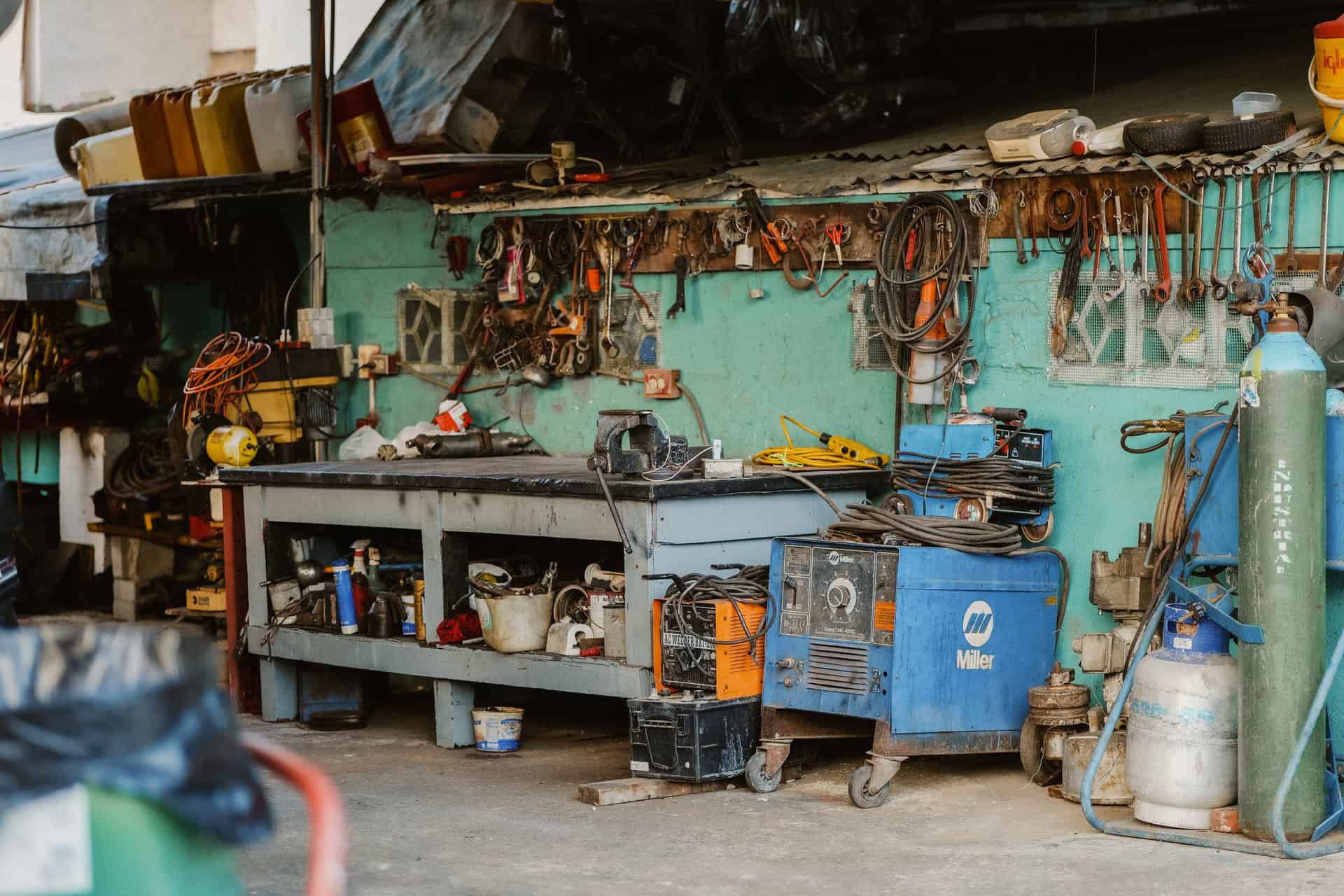
For most houses the right buy is the Amerex B500: 5 lb of ABC dry chemical, UL rated 2-A:10-B:C, all-metal valve, rechargeable. Mount it near the kitchen exit rather than beside the cooker. If you want more flammable-liquid capability for a garage, the First Alert PRO5 at 3-A:40-B:C is the step up; if one-handed control matters more than run time, the Kidde Pro 210 at 4 lb is the lightest unit that still reaches a 2-A rating.
Siren & Safe is reader-funded. We earn a commission on some links on this page, at no cost to you. It does not change what we recommend or the order we rank it in. Full disclosure.
What the letters and numbers actually mean
This is the most useful thing to know in the category and almost nobody selling extinguishers explains it.
The letters are fire classes. A is ordinary combustibles — wood, paper, fabric, most plastics. B is flammable liquids and gases — petrol, oil, solvents, paint. C is fires involving energized electrical equipment. K is cooking oils and fats, which behave differently enough from other liquids to need their own class and their own agent.
The numbers are relative capability ratings from the UL tests. The figure before A relates to the size of wood-crib fire the unit extinguished in testing; the figure before B to the square footage of flammable-liquid fire. So a 4-A unit handles roughly twice the ordinary-combustible fire of a 2-A, and a 40-B four times the liquid fire of a 10-B.
There is no number before C. The C simply certifies that the agent is non-conductive and therefore safe to use around live electrical equipment. It is a yes-or-no property, not a quantity.
That rating is a genuine third-party test result, produced under UL 711. In a category full of unverifiable claims, it is the number to trust. The full class reference has the table.
How we ranked these
We ran no tests, and we did not need to: every unit here carries a UL rating, which is independent evidence of exactly the thing we would want to measure.
So the scoring covers what the rating does not. UL rating is the tested capability itself. Build and serviceability is valve and body material, and whether the unit can be recharged rather than binned. One-handed control is weight and balance, because operator error is the dominant failure mode in domestic use. Run time is how many seconds of discharge the agent quantity gives you. Clean-up cost scores the aftermath, and every dry-chemical unit scores badly on it — that is a property of the agent, not of the brand.
Note that clean-up being uniformly bad is informative rather than useless: it is the reason a kitchen should own a fire blanket as its first tool and an extinguisher as its second.
Quick picks
Scored against ul rating, build and serviceability, one-handed control, run time and clean-up cost. Tap a row for the full write-up. No price is shown anywhere on this site because we do not cache retailer prices.
| # | Product | Best for | Score | Price |
|---|---|---|---|---|
| 1 | 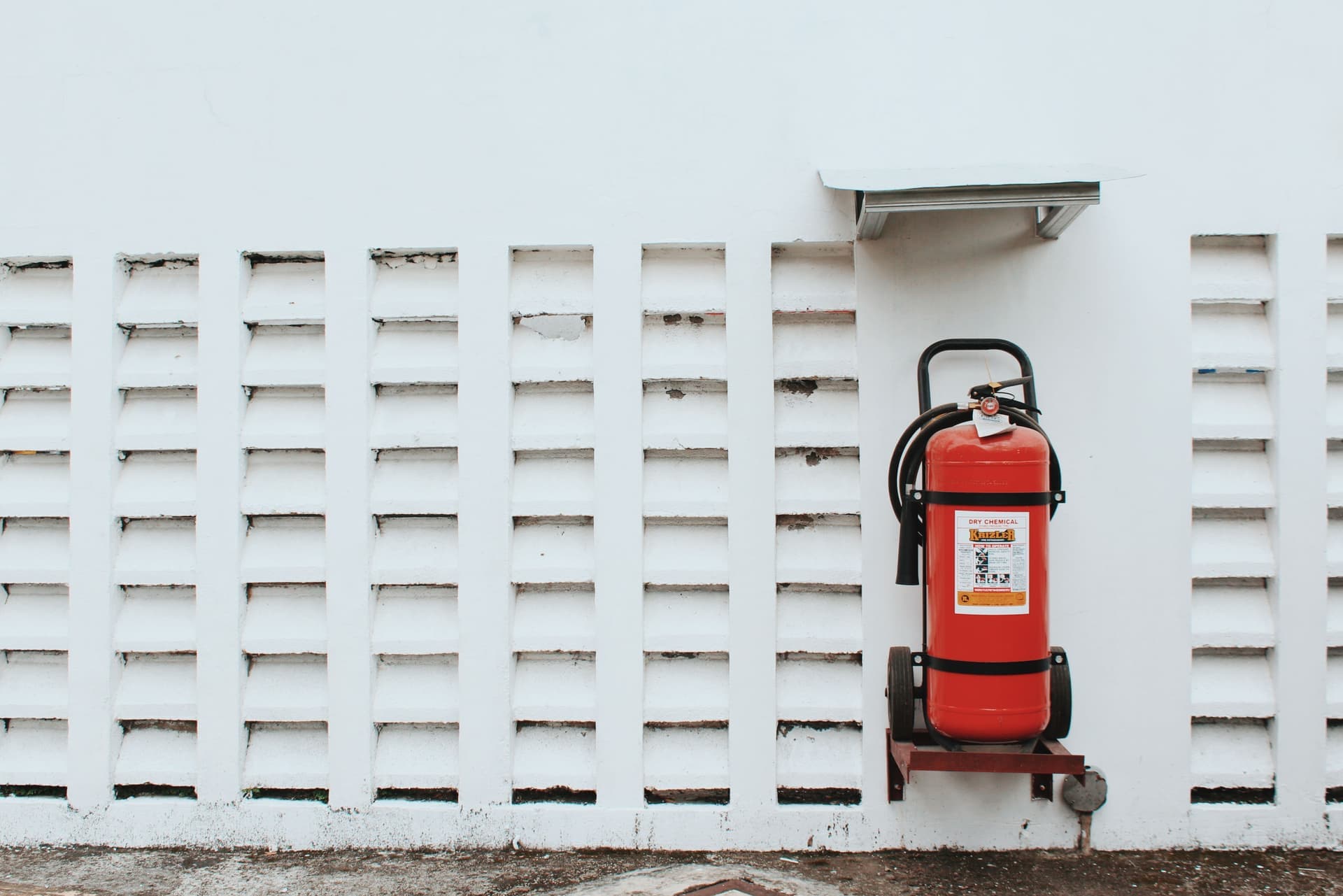 Amerex B500 5 lb ABC Dry Chemical Extinguisher All-metal, rechargeable, correctly rated. The default for a reason. | Most houses | 8.1/ 10 | Check price on Amazon #ad how we are funded · we do not cache prices |
| 2 | 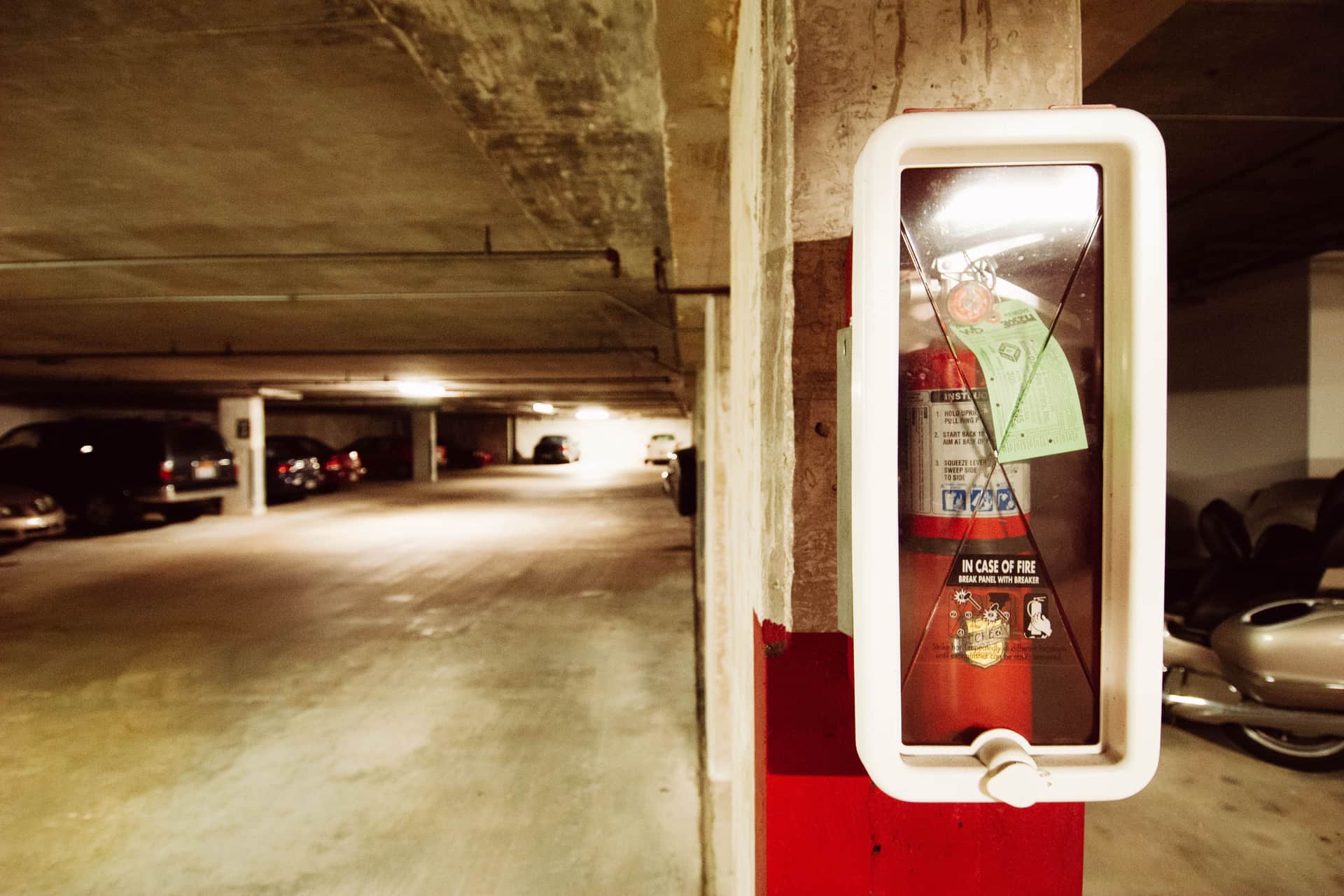 First Alert PRO5 Rechargeable Heavy Duty Extinguisher 3-A:40-B:C — four times the B rating, where liquids are the real risk. | A garage or workshop | 7.9/ 10 | Check price on Amazon #ad how we are funded · we do not cache prices |
| 3 | Kidde Pro 210 4 lb Multi-Purpose Extinguisher The lightest unit that still reaches 2-A. Bracket in the box. | One-handed control | 7.6/ 10 | Check price on Amazon #ad how we are funded · we do not cache prices |
| 4 | First Alert HOME1 Rechargeable Home Extinguisher (2.5 lb) 2.5 lb, 1-A:10-B:C, metal head. The smallest we would still call an extinguisher. | A compact rated unit for a small space | 6.8/ 10 | Check price on Amazon #ad how we are funded · we do not cache prices |
The four units in full
Illustrative photo
1. Most houses
Amerex B500 5 lb ABC Dry Chemical Extinguisher
All-metal, rechargeable, correctly rated. The default for a reason.
- Listed to
- UL rated 2-A:10-B:C
- Sensing / agent
- Monoammonium phosphate dry chemical
- Power / service life
- Rechargeable; all-metal valve and body
The metal valve is the specification to insist on and it is the cheapest thing to get wrong. The bottom of this market uses plastic valves on non-rechargeable units: they work once, they cannot be serviced, and a partial discharge means the whole thing goes in the bin. An all-metal valve and body is what makes an extinguisher a piece of equipment rather than a consumable.
On the rating: 2-A:10-B:C. The A number relates to the size of ordinary-combustible fire the unit can extinguish in the UL test; the B number to the square footage of flammable-liquid fire. The C has no number — it certifies only that the agent is non-conductive and safe to use around live electrical equipment. The classes page works through what each letter covers.
Rechargeability matters more than people expect, because the realistic use case is a small fire that takes two seconds of discharge. With a disposable unit you have then spent your extinguisher. With this one you have a service call.
The mess is the honest downside and it is worse than most people imagine. Dry chemical is a fine corrosive powder that works into electronics, attacks metal and requires thorough clean-up. On a pan fire, a fire blanket is the better first tool for exactly that reason. Mount this one near the exit for the fire the blanket cannot handle.
What it does well
- UL rated 2-A:10-B:C — ordinary combustibles, flammable liquids and energized electrical equipment
- All-metal valve and body, so it can be serviced and recharged rather than thrown away
- Rechargeable, which means a partial discharge on a small fire does not write off the extinguisher
- The unit professional suppliers stock, which makes recharging straightforward
The downside
- Monoammonium phosphate powder is corrosive and coats the whole room
- 5 lb takes real grip to hold and sweep accurately one-handed
- Needs a proper wall bracket — this is not a unit to leave standing in a cupboard
Do not buy this if: the only person who might use it cannot hold 5 lb out in front of them and control the direction of a discharge. That is a genuine limitation, not a quibble, and the 4 lb Kidde or an aerosol spray is the honest answer instead.
- All-metal valve rather than plastic, which is the difference between a serviceable unit and a disposable one
- Rechargeable, so a partial discharge during a small fire does not write off the extinguisher
- 2-A:10-B:C covers ordinary combustibles, flammable liquids and energized electrical equipment
- 5 lb is heavier than the supermarket unit and needs a proper bracket
#ad how we are funded · we do not cache prices
Illustrative photo
2. A garage or workshop
First Alert PRO5 Rechargeable Heavy Duty Extinguisher
3-A:40-B:C — four times the B rating, where liquids are the real risk.
- Listed to
- UL rated 3-A:40-B:C
- Sensing / agent
- Monoammonium phosphate dry chemical
- Power / service life
- Rechargeable; metal valve
The reason to spend more here is the B number rather than the A. A garage, workshop or home office holds fuel, solvents, oils, paint and a lot of energized equipment. The difference between 10-B and 40-B is the difference between a rated capability for a small spill fire and one for a meaningful one.
It is also the unit to put where a fire has room to grow before anyone notices. Kitchens get discovered instantly; a garage does not.
Be realistic about the weight. A larger extinguisher used badly is worse than a small one used well, and the technique — aim at the base, sweep, from several feet back — gets harder as the unit gets heavier. If nobody in the house has ever discharged an extinguisher, read how to use one before buying up.
What it does well
- UL rated 3-A:40-B:C — substantially more capability than the typical home unit on both scales
- Rechargeable with a metal valve
- The 40-B rating is the point: a garage fire is usually fuel, solvent or oil
- More agent means more margin if the first attempt misses
The downside
- Heavier and physically larger, which is a real problem for some users
- Overkill for a kitchen, where a blanket and a small unit are better suited
- Same corrosive dry-chemical clean-up as any ABC unit
Do not buy this if: this is your only extinguisher and it will live in a kitchen. It is a garage unit: the extra weight buys flammable-liquid capability you do not need at a hob and costs you the control you do.
- 3-A:40-B:C is a larger rating than most home units — more flammable-liquid capability per squeeze
- Rechargeable rather than disposable
- Suits a garage, workshop or home office where liquids and equipment are the realistic risk
- Bigger and heavier, which is a real problem for anyone who cannot handle the weight one-handed
#ad how we are funded · we do not cache prices
Illustrative photo
3. One-handed control
Kidde Pro 210 4 lb Multi-Purpose Extinguisher
The lightest unit that still reaches 2-A. Bracket in the box.
- Listed to
- UL rated 2-A:10-B:C
- Sensing / agent
- Monoammonium phosphate dry chemical
- Power / service life
- Rechargeable; mounting bracket included
The weight matters more than the spec sheet suggests. Discharging an extinguisher correctly means holding it out in front of you, aiming at the base of the fire rather than the flames, and sweeping — while walking toward it. A pound of difference changes how steady that is, particularly for smaller adults and for anyone with a wrist or shoulder problem.
And it keeps the same class coverage. 2-A:10-B:C at 4 lb rather than 5 is a genuinely good trade if control is your constraint.
What you give up is run time. A 4 lb unit gives you fewer seconds of continuous discharge than a 5 lb one, and a household unit has less run time than anyone expects to begin with. That argues for reading the technique page before you need it, not for buying heavier than you can handle.
What it does well
- 4 lb — noticeably easier to hold out and sweep accurately than a 5 lb unit
- Still UL rated 2-A:10-B:C, so no class coverage is given up for the weight
- Rechargeable, with a mounting bracket included
- A sensible second unit for an upstairs landing or a utility room
The downside
- Less agent means less run time and less margin for a missed first attempt
- Same dry-chemical mess
- The lighter body can feel less solid than the all-metal Amerex
Do not buy this if: the realistic risk is a garage full of flammable liquids. The 10-B rating is the same as the Amerex's but the run time is shorter, and on a liquid fire run time is what you are spending.
- 4 lb — the lightest unit that still reaches a 2-A rating, which matters for one-handed use
- Rechargeable, with the bracket in the box
- Same 2-A:10-B:C class coverage as heavier units, with less run time
- Less agent means less margin for error if the first attempt misses
#ad how we are funded · we do not cache prices
Illustrative photo
4. A compact rated unit for a small space
First Alert HOME1 Rechargeable Home Extinguisher (2.5 lb)
2.5 lb, 1-A:10-B:C, metal head. The smallest we would still call an extinguisher.
- Listed to
- UL rated 1-A:10-B:C
- Sensing / agent
- Monoammonium phosphate dry chemical
- Power / service life
- Rechargeable by a certified professional; metal head and pull pin
This is the unit to put where a bigger one will not be picked up. An apartment kitchen, a narrow galley, a boat, a caravan, an upstairs landing — places where a 5 lb cylinder is either unmanageable or has nowhere to live.
It is not the cheap disposable tier, and that distinction is the reason it is here. Metal head, metal pull pin with a safety seal, rechargeable, gauge you can read. The plastic-valve units at a similar size are single-use throwaways with no service path.
Be clear about the 1-A. It is half the ordinary-combustible capability of a 2-A unit, and code requirements that specify a minimum rating often start at 2-A. Buy it as an addition, not as your house's extinguisher, and read what size do I need for where the thresholds sit.
What it does well
- 2.5 lb — the easiest of these to pick up, aim and control
- Metal head and a metal pull pin with a safety seal, not a plastic-valve disposable
- Rechargeable by a certified professional, and the bracket is included
- Color-coded corrosion-resistant gauge so a glance tells you it is still charged
The downside
- 1-A is half the ordinary-combustible rating of a 2-A unit
- Short run time — this is a first-response unit, not one that lets you make mistakes
- Where code or an inspection specifies a minimum rating, 1-A may not meet it
Do not buy this if: it is the only extinguisher in the house. At 1-A it is a supplementary unit for an apartment, a boat, a small office or an upstairs landing — buy a 2-A unit as your main one.
- 2.5 lb — the lightest unit most people can aim accurately with one hand
- Metal head and a metal pull pin with a safety seal, not the plastic valve of the disposable tier
- Color-coded corrosion-resistant gauge and a mounting bracket in the box
- 1-A is half the ordinary-combustible rating of a 2-A unit, which is the trade for the size
First Alert product documentation
#ad how we are funded · we do not cache prices
Side by side
| Amerex B500 | First Alert PRO5 | Kidde Pro 210 | First Alert HOME1 | |
|---|---|---|---|---|
| UL rating | 2-A:10-B:C | 3-A:40-B:C | 2-A:10-B:C | 1-A:10-B:C |
| Agent weight | 5 lb | Larger | 4 lb | 2.5 lb |
| Valve | All metal | Metal | Metal | Metal head |
| Rechargeable | Yes | Yes | Yes | Yes |
| Bracket included | Check the listing | Check the listing | Yes | Yes |
| Best position | Kitchen exit or main level | Garage or workshop | Landing or utility | Apartment or small space |
Ratings as published by each manufacturer. No prices are shown anywhere on this site because we do not cache retailer prices.
Where they go — and where they must not
Near the exit, not next to the hazard. An extinguisher beside the cooker is in the place the fire will be. Mount it on the route out, so reaching it moves you toward the door rather than away from it. That single decision matters more than the rating.
One on the main level, one in the garage. Those are the two positions almost every house should have. A two-story house benefits from one per level.
On a bracket, not on the floor. An extinguisher in the back of a cupboard behind the vacuum cleaner is not a fire extinguisher. Brackets come with some units and cost very little otherwise.
Where a child cannot reach it, and an adult can, without a stool. Roughly between knee and shoulder height on a wall.
Not in a vehicle without a proper mount. An unsecured cylinder in a car is a projectile. Car extinguishers covers mounting.
Who should buy something else
If you have no working smoke alarms, buy those instead. It is not close. Alarms are the highest-impact purchase in home fire safety and an extinguisher does nothing for a fire nobody has woken up to. The smoke alarm roundup.
If your worry is specifically a pan of oil, a fire blanket is the better first tool — no aim, no residue, and no discharge velocity to splash burning fat. Fire blanket vs fire extinguisher sets out where each one fails, and the kitchen extinguisher page covers Class K.
If nobody in the household will ever practice, an aerosol spray is genuinely worth considering as a supplement. It is not a rated extinguisher and does not satisfy a code requirement, and people will actually use it. Aerosol vs traditional.
If the fire you are worried about is a lithium-ion battery, nothing on this page is a reliable answer and we would rather say so. Lithium battery fires.
Questions people actually ask
What type of fire extinguisher is recommended for home use?
What do the numbers on a fire extinguisher mean?
How many fire extinguishers should a house have?
Should I buy a rechargeable or disposable fire extinguisher?
Is a bigger fire extinguisher always better?
Where should a fire extinguisher be kept in a house?
How these picks were chosen. On published specifications, safety listings and manufacturer documentation — plus the findings of organizations that do run tests. We have no laboratory and we do not burn anything. Read the full methodology.
Sources
- UL Solutions — Fire extinguisher testing and certification (UL 711)
- NFPA — NFPA 10, Standard for Portable Fire Extinguishers
- US Fire Administration — Home fire prevention
- CPSC — Recalls and product safety news
Read next
Fire Extinguishers
Fire Extinguisher Classes
The full class chart, what the numbers measure, and which agent suits which fire.
Fire Extinguishers
What Size Fire Extinguisher Do I Need?
Weight against rating and run time, and why the likely operator decides it.
Fire Extinguishers
How to Use a Fire Extinguisher
PASS, the two decisions that come first, and why aiming at the flames wastes the charge.
Fire Extinguishers
The Best Kitchen Fire Extinguishers
Class K versus ABC, and why the blanket is the kitchen's first tool.
Fire Blankets
Fire Blanket vs Fire Extinguisher
Contact range versus projected agent — and the fires where each one is the wrong choice.

Placement & Code
Home Fire Safety Checklist
A printable room-by-room audit of alarms, CO detection, exits and suppression.