Carbon Monoxide Detectors
Combination Alarms vs Separate Units
A combination unit is fewer devices, fewer dates and one hole in the ceiling. A separate pair lets you put each sensor where its own hazard actually is.
By Ryder M.Last reviewed
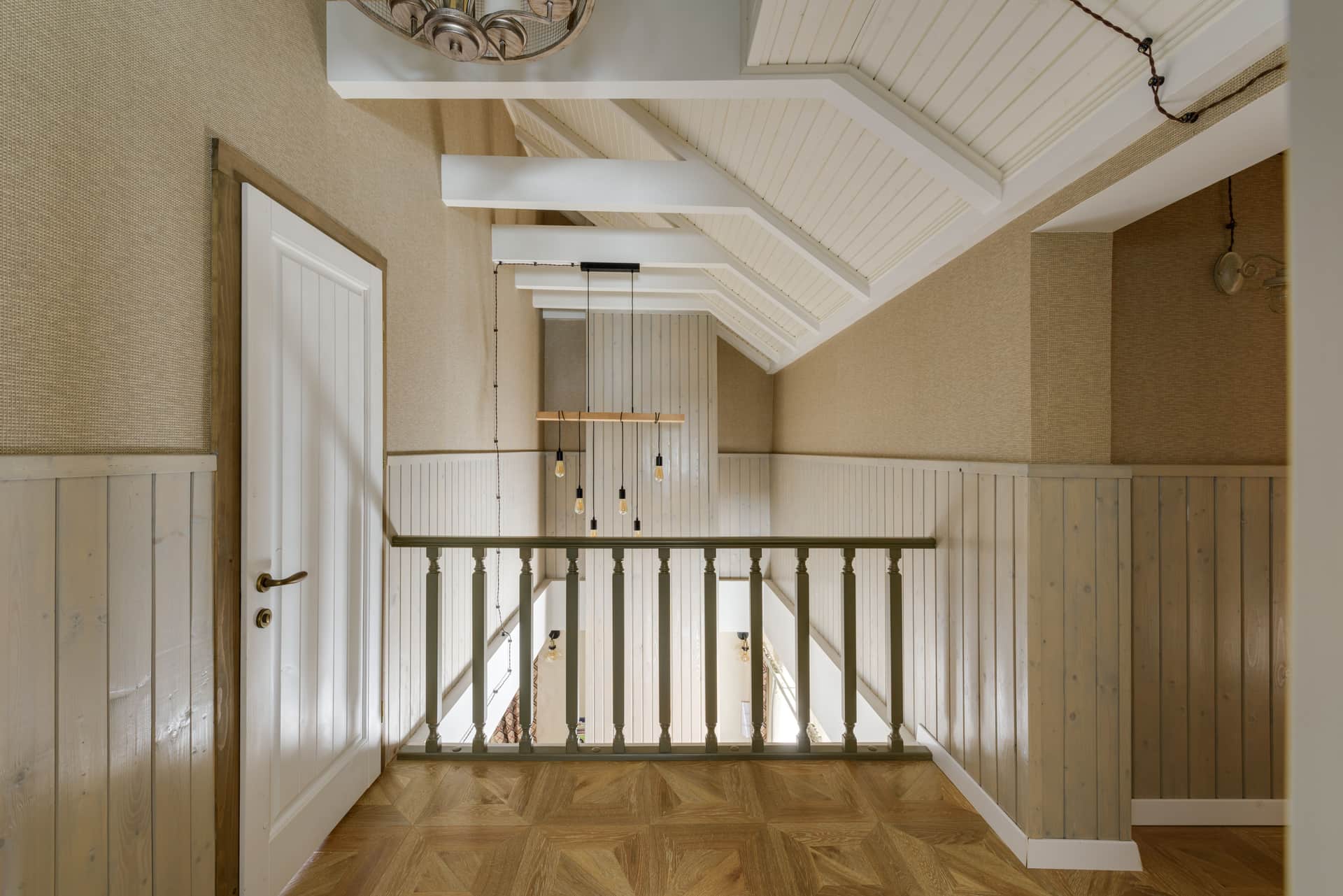
Buy combination alarms if you want the smallest number of devices to buy, place, document and replace — for most houses that is the right call, and it is why the combination roundup is the busiest page in this section. Buy separate units when the best position for smoke detection and the best position for CO detection are genuinely different: a basement where the smoke alarm belongs near the stair and the CO alarm belongs across the room from the furnace, or a bedroom where you want CO at a readable height and smoke on the ceiling.
Siren & Safe is reader-funded. We earn a commission on some links on this page, at no cost to you. It does not change what we recommend or the order we rank it in. Full disclosure.
The trade, in one table
| Combination unit | Separate units | |
|---|---|---|
| Devices in a 6-position house | 6 | Up to 12 |
| Dates to track | 6 | Up to 12 |
| Monthly tests | 6 buttons | Up to 12 buttons |
| Placement | One position must suit both hazards | Each sensor goes where it belongs |
| Peak-level CO memory | Rare | Available on plug-in CO alarms |
| End of life | Either sensor expiring retires the whole unit | Each replaced on its own clock |
| Ceiling clutter | One device | Two devices |
| Best for | Most houses | Basements, and rooms where the positions differ |
The replacement-timing argument nobody makes
This is the one real technical objection to combination alarms and it is almost never mentioned in a buying guide.
Smoke sensing chambers and electrochemical CO cells do not have the same service life. Smoke alarms are generally a ten-year device; CO sensors are commonly rated 7 to 10 years depending on the model. In a combination unit, the whole device retires when the shorter-lived sensor does, because there is no way to replace one and keep the other.
In practice manufacturers design around this — a combination unit with a ten-year sealed battery is built to be a ten-year device and its end-of-life signal reflects whichever sensor governs. So you are not losing life you paid for; you are just replacing two functions at once rather than on two schedules.
Whether that is a cost or a convenience depends on your temperament. One replacement event per position every ten years is simpler than two on staggered clocks — and simpler is what actually gets done. Lifespan and replacement covers the dates.
Where the positions genuinely differ
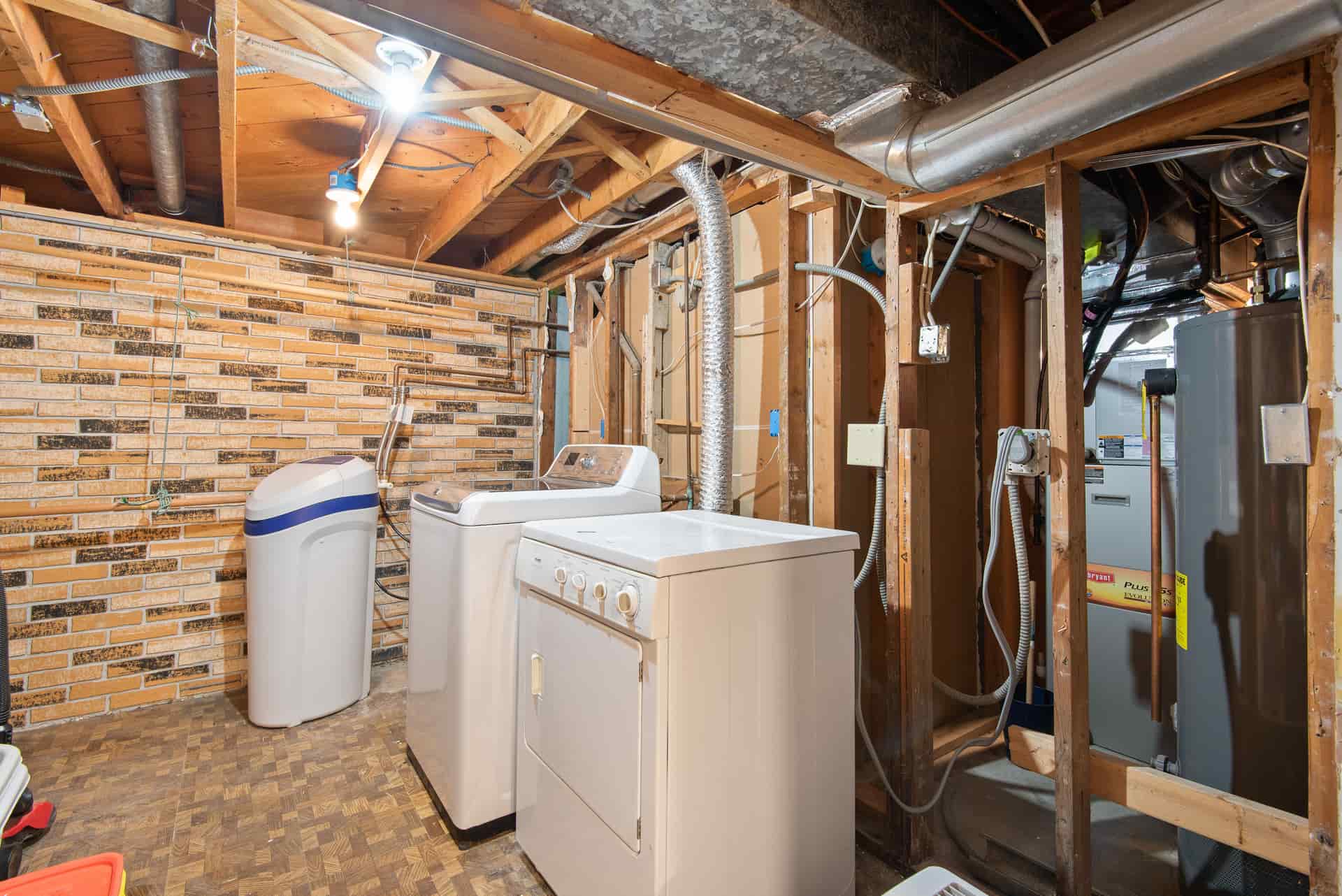
The basement. Smoke alarm near the foot of the stairs; CO alarm in the same space but well clear of the furnace or water heater plume. Two devices, two positions.
A room with a very high or vaulted ceiling. The smoke alarm has to be up in the slope band near the peak; a CO alarm up there is unreadable and untestable. A plug-in or sealed-battery CO alarm at a sane height plus a ceiling smoke alarm is a better arrangement. Sloped ceilings.
A kitchen-adjacent position. Smoke alarms are excluded within 10 ft of a fixed cooking appliance, with conditions out to 20 ft. CO detection has no equivalent exclusion, so a gas range is a reason to have CO detection nearby and not to have a smoke alarm there. Kitchen placement.
Near an attached garage. You want CO on the house side of the shared wall. That is not necessarily where you want a smoke alarm.
The hybrid that most houses should actually build
The answer is rarely all-of-one. What works in practice is combination alarms in the bedrooms, the hallways and the main level, where the positions coincide and where reducing the device count is worth real money — plus a separate CO alarm in the basement or wherever the fuel-burning appliance lives, positioned for CO rather than for smoke.
That gets you the administrative simplicity of combination units almost everywhere, and correct placement in the one room where the two hazards genuinely disagree.
It also means the basement ends up with two devices, which is appropriate: it is the room with the furnace, the water heater, the least-visited ceiling and the stairwell that feeds the rest of the house.
The combination alarm roundup covers the units for the first part, and the CO roundup the second.
Questions people actually ask
Is a combination smoke and carbon monoxide detector better than separate ones?
Do combination alarms wear out faster?
Can I use combination alarms everywhere in the house?
Do I still need a separate CO detector if I have combination alarms?
How these picks were chosen. On published specifications, safety listings and manufacturer documentation — plus the findings of organizations that do run tests. We have no laboratory and we do not burn anything. Read the full methodology.
Sources
- UL Solutions — UL 2034 — single and multiple station carbon monoxide alarms
- NFPA — NFPA 72, National Fire Alarm and Signaling Code (2025 edition)
- CPSC — Carbon Monoxide Fact Sheet
- International Code Council — IRC Chapter 3 — building planning (R315 carbon monoxide alarms)
Read next
Carbon Monoxide Detectors
The Best Carbon Monoxide Detectors
Four listed alarms, and why peak-level memory beats a fancier display.

Smoke Detectors
The Best Combination Smoke and CO Alarms
Two listings, one position — and the one room where separate units win.
Carbon Monoxide Detectors
CO Detector vs Smoke Detector
Two hazards, two sensors, two standards — and why one device cannot substitute.
Carbon Monoxide Detectors
Where to Install CO Detectors
Room by room, and a straight answer to the high-or-low question.
Placement & Code
Smoke Detector Placement, Room by Room
The three requirements, the four exclusions, and an original placement diagram.