Smoke Detectors
The Best Combination Smoke and CO Alarms
Two sensors in one housing, which halves the number of devices to buy, place, date and replace. In most rooms that is simply the better answer.
By Ryder M.Last reviewed

A combination alarm carries UL 217 for smoke and UL 2034 for carbon monoxide, covering both hazards from one ceiling position. For most of a house that is the right call — half the devices, half the dates to track, one replacement per position per decade. The X-Sense SC07-W is our pick because it adds wireless interconnect. The exception is the space containing the furnace, where the best smoke position and the best CO position genuinely differ.
Siren & Safe is reader-funded. We earn a commission on some links on this page, at no cost to you. It does not change what we recommend or the order we rank it in. Full disclosure.
What you are actually buying
Two sensors in one housing. A photoelectric smoke chamber, which detects particles scattering light, and an electrochemical CO cell, which detects a specific gas chemically and produces a current proportional to its concentration.
That is why a combination unit legitimately carries both UL 217 and UL 2034. It is not one sensor being clever; it is two devices sharing a mount, a horn and a battery.
The practical consequence is that you are buying two service lives in one package. Smoke chambers are generally a ten-year device; CO cells are commonly rated 7 to 10 years depending on the model. A combination unit retires when its shorter-lived sensor does, which manufacturers design around by building ten-year sealed units whose end-of-life signal reflects whichever sensor governs.
Whether that is a cost or a convenience is a matter of temperament. One replacement event per position every decade is simpler than two on staggered clocks — and simpler is what actually gets done. Combo vs separate works the trade through properly.
Combination or separate, by room
| Room | Which | Why |
|---|---|---|
| Bedrooms | Combination | Ceiling works for both hazards, and halving the device count halves the admin |
| Upstairs hallway | Combination | Same — and this is the position that has to wake people |
| Main living level | Combination | One device, unless the cooking exclusion forces the smoke alarm somewhere a CO alarm should not be |
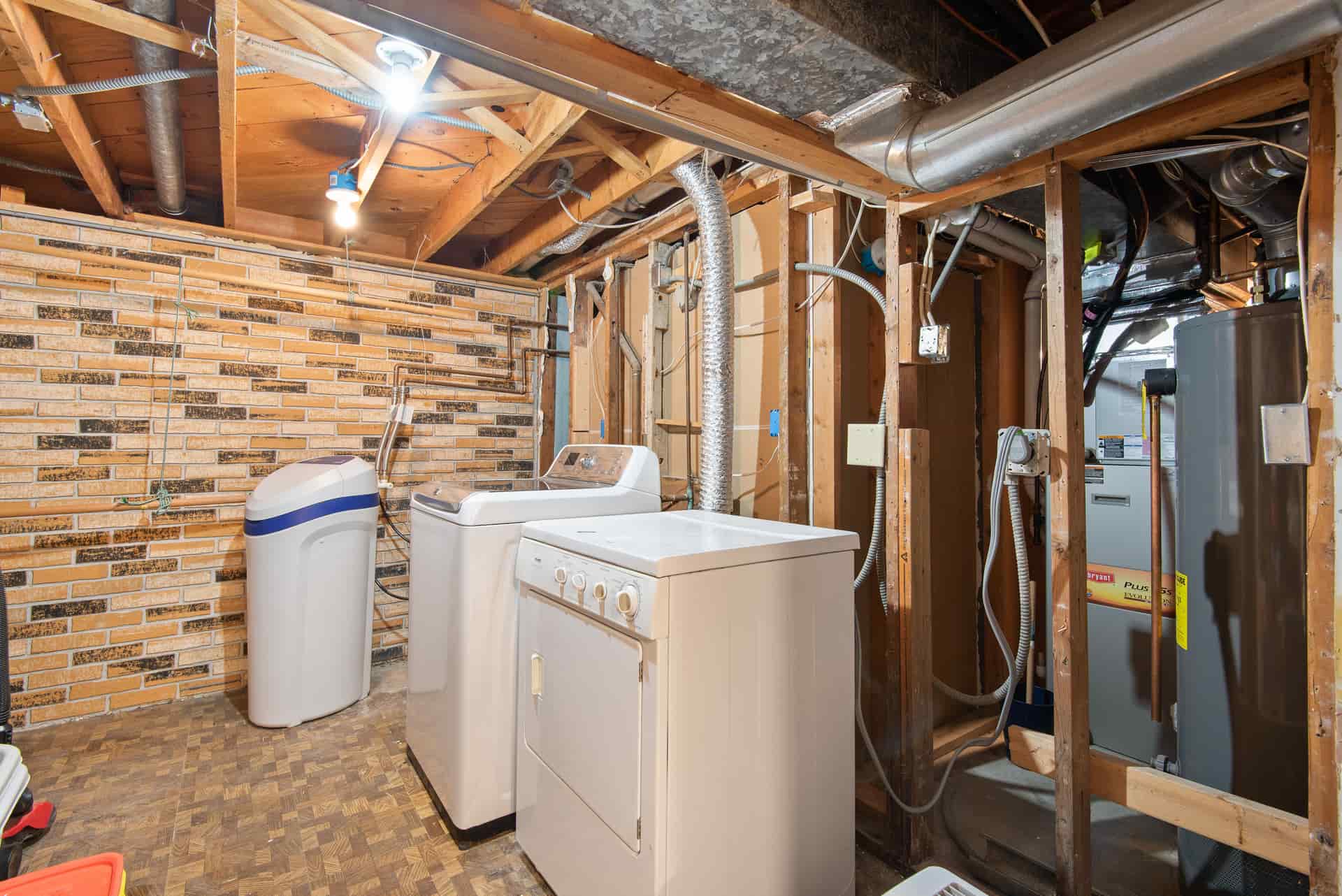
| Basement or furnace room | Separate | Smoke belongs near the foot of the stairs; CO belongs several feet from the appliance, out of the start-up plume |
| Vaulted or very high ceiling | Separate | The smoke alarm has to be up in the slope band; a CO alarm up there is unreadable and untestable |
| Near an attached garage | Separate CO | You want CO on the house side of the shared wall, which is not necessarily a smoke-alarm position |
The arrangement most houses should build: combination units in bedrooms, hallways and the main level, plus a separate CO alarm wherever the fuel-burning appliance lives.
Quick picks
Scored against both listings, interconnection, co readout, ten-year upkeep and placement flexibility. Tap a row for the full write-up. No price is shown anywhere on this site because we do not cache retailer prices.
| # | Product | Best for | Score | Price |
|---|---|---|---|---|
| 1 |  X-Sense SC07-W Wireless Interconnected Smoke & CO Alarm Both listings, wireless interconnect, a CO readout and nothing to maintain. | Most of the house | 9.0/ 10 | Check price on Amazon #ad how we are funded · we do not cache prices |
| 2 | 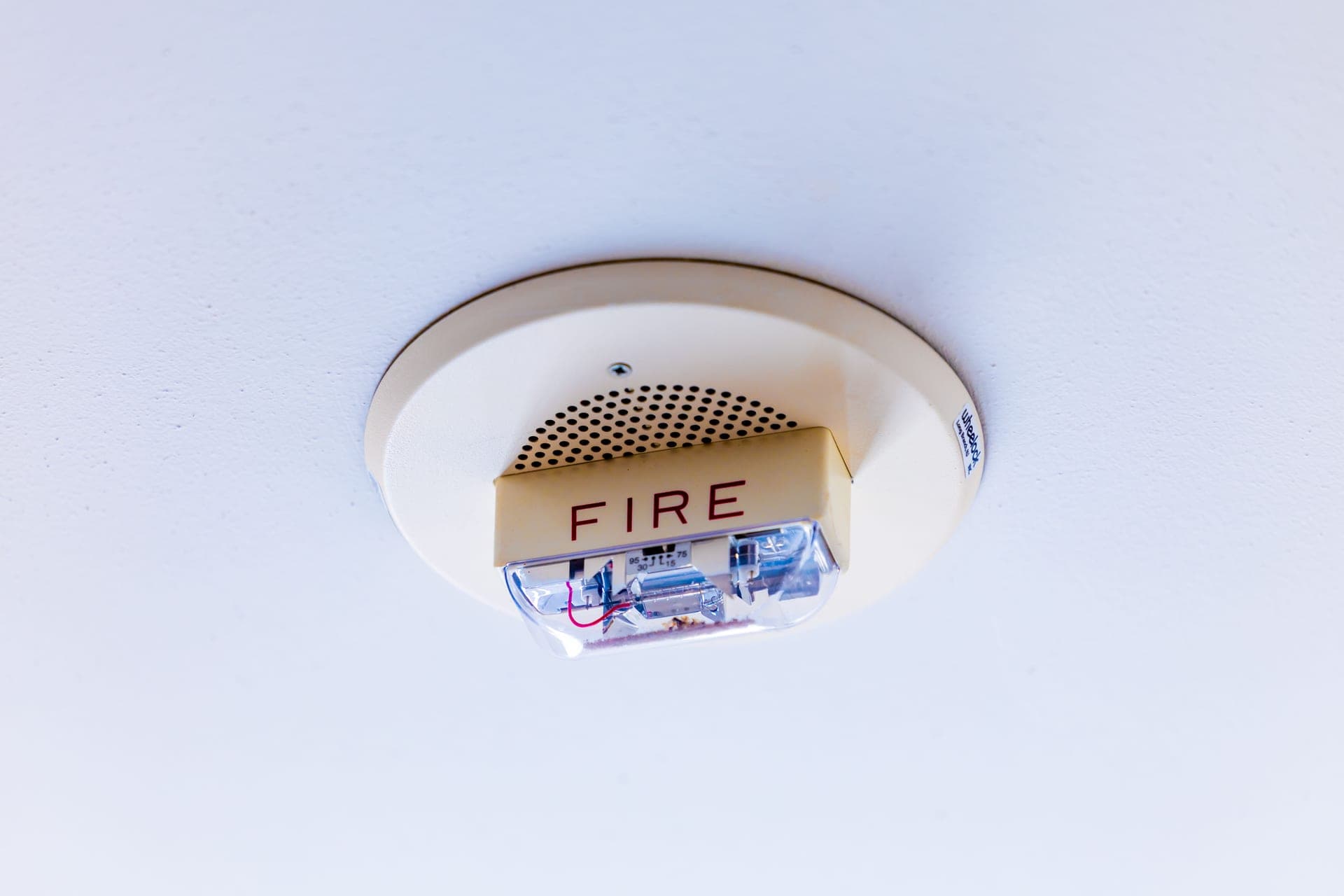 Kidde P4010ACSCO Hardwired Combination Smoke & CO Alarm Both hazards on your existing circuit, and it says which one out loud. | Replacing hardwired alarms | 8.3/ 10 | Check price on Amazon #ad how we are funded · we do not cache prices |
| 3 | 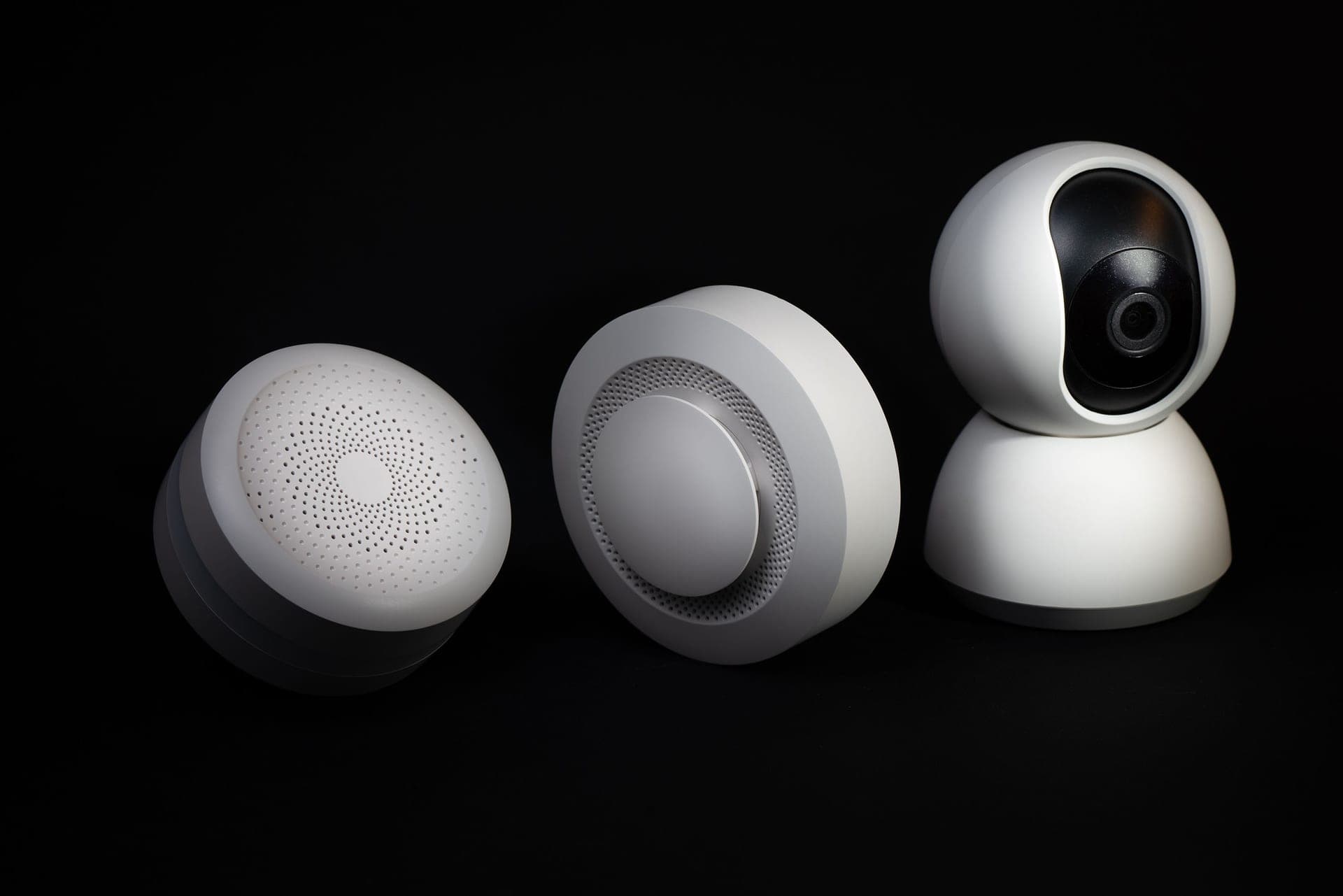 First Alert SC5 Smart Smoke & Carbon Monoxide Alarm The smart combination unit, and the one Google points Nest owners toward. | Phone alerts and Nest replacement | 8.5/ 10 | Check price on Amazon #ad how we are funded · we do not cache prices |
| 4 |  X-Sense SC06 Smoke & Carbon Monoxide Alarm Dust-resistant housing, which is the cheap fix for a nuisance-alarm position. | A dusty utility space or unfinished basement | 7.1/ 10 | Check price on Amazon #ad how we are funded · we do not cache prices |
The four alarms in full
Illustrative photo
1. Most of the house
X-Sense SC07-W Wireless Interconnected Smoke & CO Alarm
Both listings, wireless interconnect, a CO readout and nothing to maintain.
- Listed to
- UL 217 and UL 2034
- Sensing / agent
- Photoelectric smoke sensing plus an electrochemical CO cell
- Power / service life
- 10-year sealed lithium battery, not hardwired
The case for combination alarms is mostly administrative and it is stronger than it sounds. A six-position house needs six mountings, six manufacture dates recorded, six monthly tests and six replacements in a decade. Doubling that to twelve for separate CO units is not twice the safety — it is twice the chance one of them is nine years old and nobody noticed.
And in most rooms the positions genuinely coincide. A bedroom ceiling or an upstairs hallway ceiling works for both: smoke rises to it, and carbon monoxide mixes with room air and reaches it too.
Worth being clear about what is inside: two separate sensors, a photoelectric smoke chamber and an electrochemical CO cell. That is why both listings are legitimate. Any claim that one sensor detects both would be a red flag — CO detector vs smoke detector explains why the mechanisms cannot cross over.
The LCD matters more here than on a single-hazard unit, because the correct response differs. A smoke alarm sometimes has a benign cause you can see. A CO alarm never does.
What it does well
- UL 217 and UL 2034 — genuinely two sensors, a photoelectric chamber and an electrochemical cell
- Wireless interconnect for up to 24 units with no wiring anywhere
- 10-year sealed lithium battery and an LCD CO reading
- One device per position instead of two: half the mounting, dating and replacing
The downside
- Both functions retire together when the unit reaches end of life
- Proprietary mesh, so whole-house interconnection means committing to one manufacturer
- Photoelectric smoke sensing only
Do not buy this if: the position is the furnace space. There, the smoke alarm belongs near the foot of the stairs and the CO alarm belongs several feet from the appliance so the start-up plume does not trip it — two requirements one device cannot satisfy.
- Wireless interconnect for up to 24 units — one alarm triggers the whole set
- No wiring, which is the point: it retrofits interconnection into a house that never had it
- LCD CO reading on each unit
- X-Sense recommends it for large or multi-story homes
#ad how we are funded · we do not cache prices
Illustrative photo
2. Replacing hardwired alarms
Kidde P4010ACSCO Hardwired Combination Smoke & CO Alarm
Both hazards on your existing circuit, and it says which one out loud.
- Listed to
- UL 217 and UL 2034
- Sensing / agent
- Photoelectric smoke sensing plus an electrochemical CO cell
- Power / service life
- 120V AC with a 10-year sealed battery backup
For a house with existing wired alarms this is the obvious upgrade path: same wiring, same positions, CO detection added, interconnection preserved.
The voice announcement earns its keep on a combination unit. Being told 'carbon monoxide' rather than hearing an ambiguous horn changes what you do — a CO alarm means leave the building, and a smoke alarm sometimes means the toast.
Kidde also makes a wire-free interconnect variant, which is the answer for the common half-wired house: original circuit upstairs, nothing in the basement. Interconnected smoke alarms covers bridging the two.
What it does well
- Drops onto an existing 120V alarm circuit and interconnects over the wire
- UL 217 and UL 2034 from one ceiling position
- Voice messaging distinguishes a smoke event from a CO event audibly
- 10-year sealed battery backup, so an outage does not silence it
The downside
- Requires AC power at each position
- No display — a CO event tells you there is CO, not how much
- Replacing a whole wired set is a bigger job than swapping battery units
Do not buy this if: your house has no alarm wiring. Running circuits to six ceilings to gain interconnection costs far more than buying wireless-interconnect alarms.
- Drops straight onto an existing hardwired circuit and interconnects over the wire
- Voice messaging distinguishes a smoke event from a CO event out loud
- One ceiling position covers both hazards
- Needs an existing 120V alarm circuit — it is not a battery-only retrofit
#ad how we are funded · we do not cache prices
Illustrative photo
3. Phone alerts and Nest replacement
First Alert SC5 Smart Smoke & Carbon Monoxide Alarm
The smart combination unit, and the one Google points Nest owners toward.
- Listed to
- UL 217 and UL 2034
- Sensing / agent
- Photoelectric smoke sensing plus an electrochemical CO cell
- Power / service life
- 10-year sealed battery
The single smart feature that changes outcomes is the notification when nobody is home, because a local horn in an empty house achieves nothing. For a house that is often empty, a rental you manage or a second home, that is a real argument.
It is also the tidy answer for Nest Protect owners. Google stopped production in March 2025, and First Alert's compatibility page confirms the bracket compatibility and the hardwired adapter — so you can replace units as they age out rather than all at once. The Nest comparison works through it.
What it does well
- UL 217 and UL 2034 with a 10-year sealed battery
- Phone alerts when the alarm sounds and nobody is home
- Works with the Google Home app and reuses the Nest Protect bracket
- Ships a quick-connect adapter for hardwired replacements, so a staged swap is possible
The downside
- Wi-Fi and app dependency for its distinguishing features
- Higher cost per position, which matters when the correct number is six
- Smart features do nothing for the fire itself
Do not buy this if: you are buying one for a house with unprotected bedrooms. Coverage first, always — six ordinary alarms beat one clever one.
- Works with the Google Home app; Google promotes it as the Nest Protect replacement
- Reuses the Nest Protect mounting bracket, and ships a quick-connect adapter for hardwired swaps
- Interconnects with existing Nest Protect units during a staged changeover
- Phone alerts when the alarm sounds away from home
First Alert product documentation
#ad how we are funded · we do not cache prices
Illustrative photo
4. A dusty utility space or unfinished basement
X-Sense SC06 Smoke & Carbon Monoxide Alarm
Dust-resistant housing, which is the cheap fix for a nuisance-alarm position.
- Listed to
- UL 217 and UL 2034
- Sensing / agent
- Photoelectric smoke sensing plus an electrochemical CO cell
- Power / service life
- 10-year sealed battery
This is a position-specific recommendation. Unfinished basements, utility rooms and garages-adjacent spaces are dusty, and dust in a sensing chamber is a leading cause of nuisance alarms — which is how alarms end up disconnected.
A dust-resistant housing is a genuinely useful and rarely-marketed feature for exactly those rooms.
Pair it with interconnected alarms elsewhere, or use the interconnected SC07-W in the basement too if whole-house alerting matters more than dust resistance. In a house with a basement furnace, it usually does.
What it does well
- Dust-resistant housing, which addresses a real cause of nuisance alarms in utility spaces
- UL 217 and UL 2034 with a 10-year sealed battery
- Simple single test-and-silence control
- Goes anywhere — no wiring, no outlet
The downside
- No display: it alarms, it does not report a concentration
- No interconnect
- Photoelectric only
Do not buy this if: it is your main alarm in a multi-story house. Without interconnect it protects the room it is in, and a basement alarm that nobody upstairs can hear is most of the problem.
- Dust-resistant housing — the cheap fix for nuisance alarms in a dusty utility space
- Dual smoke and CO detection in one ceiling position
- Single test and silence control
- No display: it alarms, it does not report a concentration
#ad how we are funded · we do not cache prices
The 30 ppm thing, which affects combination units too
UL 2034 does not merely allow a CO alarm to ignore low concentrations — it requires it. A listed residential CO alarm must not sound below 30 ppm, a deliberate anti-nuisance requirement.
That applies to the CO half of every combination alarm on this page. So a combination unit with an LCD may legitimately display nothing while there is genuinely some carbon monoxide present.
For most households that is correct engineering: low levels of CO occur in ordinary life and an alarm firing at 15 ppm would be disabled within a week. For households with an infant, a pregnant occupant, an older adult or anyone with heart or lung disease, sustained exposure below that threshold can still matter — and the answer is a supplementary low-level monitor, not a different combination alarm. Low-level CO monitors.
It is also the reason the peak-level memory on some dedicated plug-in CO alarms is worth having: it records a concentration you were not present for. Combination units rarely offer it.
Where they go
The smoke requirement governs the position, because it is the stricter of the two: inside every sleeping room, outside each separate sleeping area, on every level including the basement — and outside the exclusion zones.
Not within 10 ft of a fixed cooking appliance, with conditions out to 20 ft. Not within 36 in of a bathroom door with a tub or shower, a forced-air supply register, or paddle-fan blade tips. Those are NFPA 72 (2025) §29.11.3.4 and they are where nuisance alarms come from. The placement guide has the diagram.
CO detection adds one position the smoke requirement does not: in or near the space containing the furnace or water heater, several feet from the appliance rather than directly above it. That is the room where separate units earn their place.
And check the count while you are up there. How many do I need — it is usually more than the house has.
Questions people actually ask
Are combination smoke and carbon monoxide detectors good?
What is the best combination smoke and CO alarm?
Do combination alarms wear out faster than separate ones?
Can I use combination alarms everywhere in the house?
Why does my combination alarm show no CO reading when I think there is CO?
How these picks were chosen. On published specifications, safety listings and manufacturer documentation — plus the findings of organizations that do run tests. We have no laboratory and we do not burn anything. Read the full methodology.
Sources
- UL Solutions — UL 217 — smoke alarms
- UL Solutions — UL 2034 — single and multiple station carbon monoxide alarms
- NFPA — NFPA 72, National Fire Alarm and Signaling Code (2025 edition)
- UpCodes — Specific location requirements for smoke alarms (NFPA 72 §29.11.3.4)
- First Alert — Nest Protect replacement — First Alert SC5 compatibility
- International Code Council — IRC Chapter 3 — building planning (R314 smoke alarms, R315 CO alarms)
Read next
Smoke Detectors
The Best Smoke Detectors for a Home
Four alarms, what UL 217 tests, and why interconnection beats every other feature.
Carbon Monoxide Detectors
Combination Alarms vs Separate Units
One device or two — the replacement-timing trade nobody mentions.
Carbon Monoxide Detectors
CO Detector vs Smoke Detector
Two hazards, two sensors, two standards — and why one device cannot substitute.

Smoke Detectors
Interconnected Smoke Alarms
Why interconnection matters most, and the wired, wireless and hybrid routes.
Placement & Code
Smoke Detector Placement, Room by Room
The three requirements, the four exclusions, and an original placement diagram.
Carbon Monoxide Detectors
The Best Carbon Monoxide Detectors
Four listed alarms, and why peak-level memory beats a fancier display.