Carbon Monoxide Detectors
The Best Carbon Monoxide Detectors
Every listed alarm has passed the same UL 2034 tests, so the differences that matter are power, display and whether the unit records a peak you were not there to see.
By Ryder M.Last reviewed

Buy the Kidde Nighthawk KN-COPP-3 if there is an outlet where you need detection, and the First Alert CO710 if there is not. Both are UL 2034 listed, both show a live reading, and the Kidde logs a peak concentration as low as 11 ppm — which is the feature that catches a slow leak from a cracked heat exchanger that never reaches the alarm threshold while anyone is watching. One per level, within earshot of the bedrooms.
Siren & Safe is reader-funded. We earn a commission on some links on this page, at no cost to you. It does not change what we recommend or the order we rank it in. Full disclosure.
What UL 2034 actually requires
This is the single most useful thing to understand before buying, and almost nobody explains it. UL 2034 is the standard for single- and multiple-station carbon monoxide alarms, and it specifies response times paired with concentrations:
At 70 ppm, the alarm must sound within 60 to 240 minutes. At 150 ppm, within 10 to 50 minutes. At 400 ppm, within 4 to 15 minutes. And — critically — the alarm must not sound below 30 ppm at all.
That last requirement is deliberate. It exists to prevent nuisance alarms, because low concentrations of CO occur in ordinary life and an alarm that fired at 15 ppm would be silenced within a week. CPSC's conformance testing work and the NFPA research foundation's review of alarm thresholds both work through the reasoning.
So a listed CO alarm is designed to prevent acute poisoning in a healthy adult. It is not designed to tell you the air is slightly bad, and for most households that is the right engineering. For some households it is not, and low-level monitors is the page for that.
The UL 2034 response requirements
| Concentration | Alarm must sound within | What it means |
|---|---|---|
| Below 30 ppm | Must NOT alarm | Deliberate, to prevent nuisance alarms. This is why a live display often reads zero when there is genuinely something there. |
| 70 ppm | 60-240 minutes | A long window, because at this level the risk is cumulative rather than immediate. |
| 150 ppm | 10-50 minutes | Getting serious. Symptoms are likely before the alarm at the top of that window. |
| 400 ppm | 4-15 minutes | Dangerous. This is the fast-response case the standard is really built around. |
Requirements as specified in UL 2034 and summarized in CPSC's conformance report.
How we ranked these
We ran no tests. Every unit here is UL 2034 listed, which means it has already passed the response-time testing above — that is third-party evidence and it is more than we could generate.
So the scoring is about everything the listing does not decide. Listing and compliance is whether the unit is properly listed and how long the manufacturer states it lasts. Reading and display is whether it reports a number or just alarms. Peak-level memory is whether it records a concentration you were not present for, which is the difference between finding a slow leak and missing one. Power resilience is what happens in an outage — the hours when CO risk is highest. Placement freedom is whether the unit can go where the room needs it or only where an outlet is.
What is not in the list: price, which we do not display, and star ratings, which we will not launder into a score.
Quick picks
Scored against listing and compliance, reading and display, peak-level memory, power resilience and placement freedom. Tap a row for the full write-up. No price is shown anywhere on this site because we do not cache retailer prices.
| # | Product | Best for | Score | Price |
|---|---|---|---|---|
| 1 |  Kidde Nighthawk KN-COPP-3 Plug-In CO Alarm Peak-level memory down to 11 ppm is the feature that finds a slow leak. | Most homes with an outlet | 8.4/ 10 | Check price on Amazon #ad how we are funded · we do not cache prices |
| 2 | 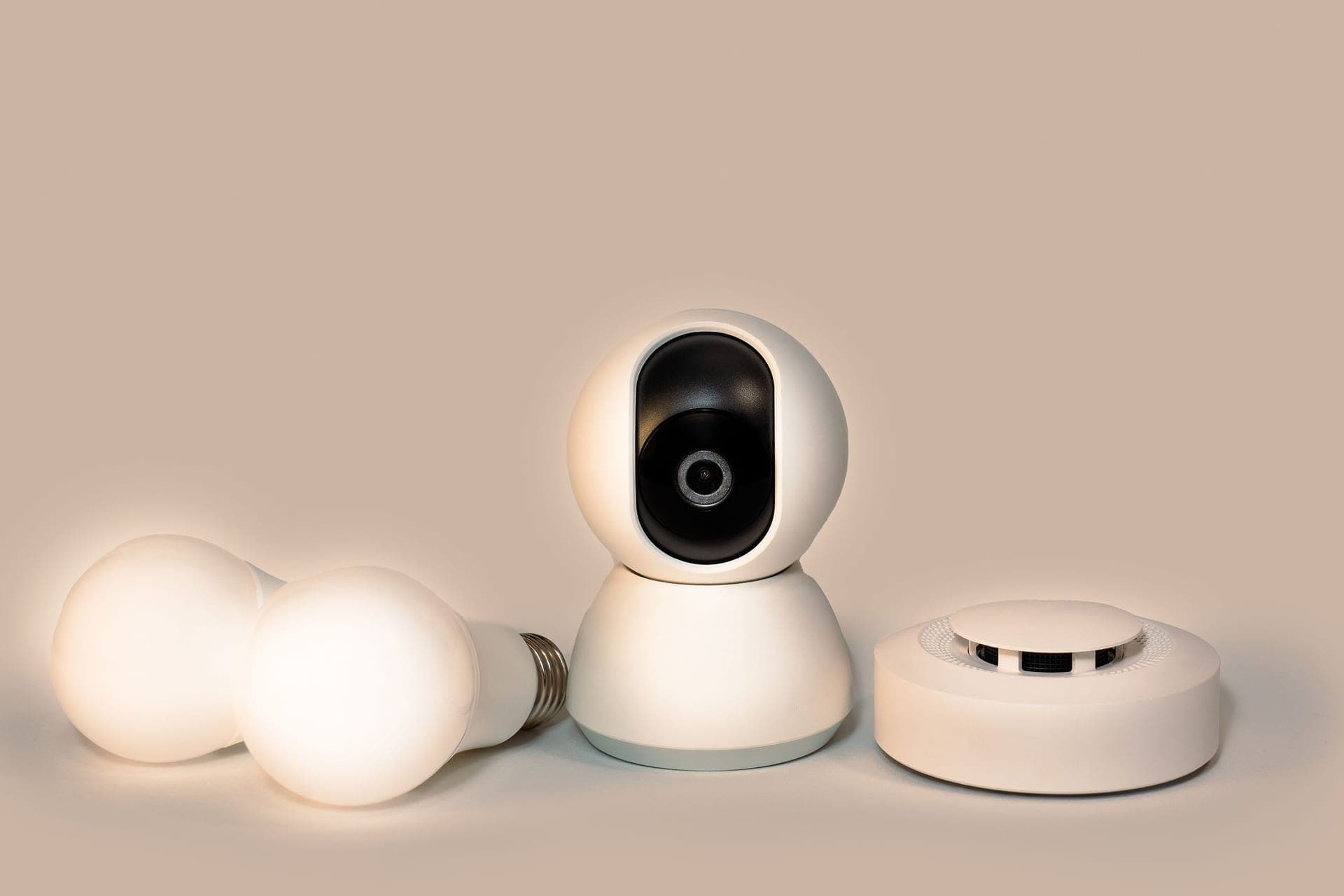 First Alert CO710 Sealed-Battery CO Alarm Sealed ten-year battery, so the position is free and there is nothing to maintain. | Positions with no outlet | 8.2/ 10 | Check price on Amazon #ad how we are funded · we do not cache prices |
| 3 | First Alert CO615 Plug-In CO Alarm with Battery Backup Outlet height puts the display where a human can see it without a stepladder. | A hallway you will actually read | 7.8/ 10 | Check price on Amazon #ad how we are funded · we do not cache prices |
| 4 | Kidde KN-COPP-B-LPM Battery CO Alarm with Digital Display Battery only with a display and peak memory — the portable option. | Travel, cabins and rooms with no power | 8.1/ 10 | Check price on Amazon #ad how we are funded · we do not cache prices |
The four alarms in full
Illustrative photo
1. Most homes with an outlet
Kidde Nighthawk KN-COPP-3 Plug-In CO Alarm
Peak-level memory down to 11 ppm is the feature that finds a slow leak.
- Listed to
- UL 2034
- Sensing / agent
- Electrochemical CO sensor
- Power / service life
- 10-year unit life; 9V battery backup
The peak-level memory is why this is first, and it is worth explaining because it is the least-marketed useful feature in the category. A cracked heat exchanger or a partially blocked flue often produces a modest, intermittent leak — enough to matter over a winter, not enough to trip a UL 2034 alarm, which is forbidden from alarming below 30 ppm. A unit that records a peak down to 11 ppm gives you evidence of that. You come home, press the peak button, and see 22 ppm from some point during the day. That is a service call rather than a shrug.
The battery backup matters more than it sounds. Power outages are exactly when households run generators and fire up alternative heating, which is when CO risk peaks. A plug-in alarm with no backup is asleep during the most dangerous hours of the year.
On the display: the live readout begins at 30 ppm, which is the UL 2034 floor. Below that it shows nothing, which looks like a fault and is not. That is the standard's design, not the alarm's shortcoming — and it is exactly why low-level monitors exist as a separate product class.
Do not mount it directly above a furnace or water heater. Fuel-burning appliances produce a brief spike on start-up, and an alarm in the plume will nuisance-trip. Where to install CO detectors has the positions.
What it does well
- UL 2034 listed, with a 10-year unit life and a 10-year limited warranty
- Digital display reads 30 to 999 ppm and refreshes every 15 seconds
- Peak-level memory records concentrations as low as 11 ppm — far below the alarm threshold
- Direct-plug, 6 ft cord or tabletop mounting, with 9V battery backup for outages
The downside
- Tied to an outlet position, so it cannot go wherever the room needs it
- The live display starts at 30 ppm, so a low reading shows as zero until you check the peak memory
- The 9V backup is a battery you have to remember, unlike a sealed unit
Do not buy this if: the position you need has no outlet, or you want a display that reads live down to single-digit ppm. For the first, buy the sealed-battery CO710 below; for the second you are looking for a low-level monitor, which is a different instrument entirely.
- Digital display reads 30 to 999 ppm and refreshes every 15 seconds
- Peak-level memory records concentrations as low as 11 ppm — the feature that catches a chronic leak
- Direct-plug, 6 ft cord or tabletop mounting
- Battery backup keeps it monitoring through a power cut, which is exactly when generators come out
#ad how we are funded · we do not cache prices
Illustrative photo
2. Positions with no outlet
First Alert CO710 Sealed-Battery CO Alarm
Sealed ten-year battery, so the position is free and there is nothing to maintain.
- Listed to
- UL 2034
- Sensing / agent
- Electrochemical CO sensor
- Power / service life
- 10-year sealed battery
The argument for a sealed-battery unit is placement freedom, and in CO detection that matters more than it does for smoke alarms. Because carbon monoxide mixes with air rather than reliably rising, manufacturers' instructions vary on height — and a plug-in alarm has already made that decision for you by being at outlet height.
It also matters for hearing it. The requirement that actually saves lives is that the alarm wakes people, which means it needs to be where the bedrooms are rather than where the wiring is. A sealed unit goes on a bedroom wall or a landing ceiling without an extension lead.
The trade is that a sealed unit is a ten-year consumable. That is the correct design for a device whose electrochemical sensor has a finite life anyway — replacing the sensor and the horn and the housing together is cleaner than pretending a fresh battery restores a decade-old cell. Lifespan and replacement covers the arithmetic.
What it does well
- 10-year sealed battery — no outlet needed and nothing to replace for a decade
- Digital display showing the measured concentration
- Goes at whatever height and position the room actually needs
- No low-battery chirp until the unit is genuinely at end of life
The downside
- At end of life the whole unit is replaced, by design
- No mains power, so nothing keeps it running if the sealed cell fails early
- Peak-memory behavior is less generous than the Kidde's 11 ppm floor
Do not buy this if: you want the cheapest possible per-unit cost and you have outlets everywhere. A plug-in unit with a replaceable backup battery is less expensive up front; the sealed unit wins over ten years and wins on placement.
- Sealed 10-year battery — nothing to change, and no low-battery chirp until it is genuinely done
- Digital display showing the measured concentration
- Placement is free: no outlet required, so it can sit at the height the room actually needs
- End of life means replacing the whole unit, by design
#ad how we are funded · we do not cache prices
Illustrative photo
3. A hallway you will actually read
First Alert CO615 Plug-In CO Alarm with Battery Backup
Outlet height puts the display where a human can see it without a stepladder.
- Listed to
- UL 2034
- Sensing / agent
- Electrochemical CO sensor
- Power / service life
- AC powered with battery backup
The underrated virtue of a plug-in CO alarm is that people actually look at it. A ceiling alarm is checked when it beeps; a wall unit at eye-ish height gets glanced at, which means an unusual reading gets noticed.
That makes this a good second or third unit in a house that already has combination alarms on the ceilings — somewhere on the route between the bedrooms and the stairs.
The failure mode is human. Plug-in devices in hallways get unplugged for vacuum cleaners and phone chargers. If you buy one, put a note on the socket, or pick the socket nobody uses.
What it does well
- AC powered with battery backup, so an outage does not silence it
- Digital display at outlet height — readable and testable without climbing
- Nothing to install: it plugs in
- A sensible second unit for a hallway where a ceiling alarm already covers smoke
The downside
- Outlet-bound placement
- A plug-in unit in a hallway is easy to unplug for a vacuum cleaner and forget
- Backup battery is a maintenance item
Do not buy this if: the room has no convenient outlet, or the outlet you would use is behind furniture. An alarm plugged in behind a sofa is neither audible nor readable.
- Plugs in at outlet height, which is where a hallway alarm is easiest to read and test
- Battery backup keeps it alive through an outage
- Digital display of the current reading
- Tied to an outlet position, so it cannot go wherever you like
#ad how we are funded · we do not cache prices
Illustrative photo
4. Travel, cabins and rooms with no power
Kidde KN-COPP-B-LPM Battery CO Alarm with Digital Display
Battery only with a display and peak memory — the portable option.
- Listed to
- UL 2034
- Sensing / agent
- Electrochemical CO sensor
- Power / service life
- Battery powered; 10-year unit life
The travel case for a CO alarm is real and under-appreciated. Rented cabins, older holiday lets and RVs are exactly where fuel-burning appliances are poorly maintained and where you have no idea what detection exists. A battery alarm with a display in a bag costs very little and has saved people.
It is also the right unit for a room in a house with no accessible outlet and no interest in ceiling work — a garage office, a basement corner, a workshop.
The replaceable battery is the honest downside. A sealed unit cannot be left flat; this one can, so it needs to be on the annual list. The home fire safety checklist has a place for it.
What it does well
- Battery only, so it goes anywhere — a cabin, a rental, a hotel room, an RV
- Digital display and peak-level memory, unusual in a battery unit
- Genuinely portable, which more people should take advantage of
- No outlet, no wiring, no compromise on where it sits
The downside
- Replaceable batteries mean an actual annual maintenance task
- No mains power, so a flat battery is a silent failure
- Less convenient than a sealed unit for a permanent install
Do not buy this if: you want a fit-and-forget permanent alarm. For that the sealed-battery CO710 is the better answer — this one's advantage is that it travels.
- Battery only, so it goes where there is no outlet — a bedroom wall, a cabin, a rental
- Digital display plus peak-level memory
- Portable enough to travel with, which matters more than most buying guides admit
- Replaceable batteries mean an annual check is genuinely required
#ad how we are funded · we do not cache prices
Where they go
One per level, and within earshot of every sleeping area. Carbon monoxide poisoning most often kills people who were asleep, so the position that matters is the one that wakes them.
One in or near the space with the furnace or water heater — but not mounted directly above the appliance, where the start-up plume will nuisance-trip it.
On the house side of a shared wall with an attached garage. A car started in an attached garage is one of the commonest residential CO events, and it does not require the car to be left running long.
High or low is the wrong question. CO has nearly the same density as air: it neither pools at the floor like propane nor collects at the ceiling like smoke. It mixes and travels with air currents and with the warm gas it arrives in, which is why manufacturers' instructions differ and why there is no single satisfying answer. Follow the instructions for your specific unit, keep alarms out of dead air within about 6 in of a ceiling-wall corner, and put them where you will hear them. Where to install CO detectors works through each room.
Who should not buy any of these
If you have no working smoke alarms, buy those first. It is not close: smoke alarms are the single highest-impact purchase in home fire safety, and a house with CO detection and no smoke detection has its priorities inverted. The smoke alarm roundup.
If you want CO and smoke detection from the same ceiling positions, buy combination alarms instead of separate units — fewer devices, fewer dates to track, one thing to replace. The trade-off is that a combination unit is replaced when either sensor ends its life. Combo versus separate works it through.
If your concern is chronic low-level exposure rather than acute poisoning — because someone in the household is pregnant, an infant, elderly or has a cardiac or respiratory condition — a UL 2034 alarm will not do what you want, by design. Buy one anyway, and add a low-level monitor. Best low-level CO monitors.
Questions people actually ask
What is the best carbon monoxide detector for a home?
Why does my CO detector read zero when I think there is carbon monoxide?
How many carbon monoxide detectors do I need?
Should a CO detector have a digital display?
Do carbon monoxide detectors expire?
Can I put a carbon monoxide detector next to the furnace?
How these picks were chosen. On published specifications, safety listings and manufacturer documentation — plus the findings of organizations that do run tests. We have no laboratory and we do not burn anything. Read the full methodology.
Sources
- UL Solutions — UL 2034 — single and multiple station carbon monoxide alarms
- CPSC — Carbon monoxide alarm conformance testing to UL 2034
- NFPA Fire Protection Research Foundation — A review of carbon monoxide alarm and detection thresholds
- CPSC — Carbon Monoxide Fact Sheet
- NFPA — NFPA 72, National Fire Alarm and Signaling Code (2025 edition)
Read next
Carbon Monoxide Detectors
The Best Low-Level CO Monitors
Why the 30 ppm floor exists, who it fails, and what a low-level monitor adds.
Carbon Monoxide Detectors
Where to Install CO Detectors
Room by room, and a straight answer to the high-or-low question.

Carbon Monoxide Detectors
Combination Alarms vs Separate Units
One device or two — the replacement-timing trade nobody mentions.

Carbon Monoxide Detectors
Carbon Monoxide Poisoning Symptoms
The symptoms, the flu-without-fever pattern, and the emergency action first.

Carbon Monoxide Detectors
CO Detector Lifespan and Replacement
7-10 years from the manufacture date, why the test button proves little, and what END means.

Smoke Detectors
The Best Combination Smoke and CO Alarms
Two listings, one position — and the one room where separate units win.