Smoke Detectors
Google Nest Protect Review
Reviewing a discontinued product sounds pointless until you remember how many of them are on ceilings. This is for owners, not shoppers.
By Ryder M.Last reviewed

The Nest Protect was a good alarm and it is no longer made: Google ended production in March 2025. If you own one, keep using it — existing units continue to receive software and security updates — but read the manufacture date on the back, because the ten-year service life runs from there rather than from the discontinuation. Do not buy one new or used. When yours ages out, the First Alert SC5 is Google's promoted successor and reuses the same bracket.
Siren & Safe is reader-funded. We earn a commission on some links on this page, at no cost to you. It does not change what we recommend or the order we rank it in. Full disclosure.
Why review a discontinued alarm at all
Because a great many are still on ceilings, and the people who own them are searching for exactly this. 'Is my alarm still OK?' is a reasonable question and it deserves a straight answer rather than a page trying to sell them something.
The straight answer: yes, for now, and check the date. Google ended production in March 2025 and has continued software and security updates for existing units. A Nest Protect that passes its test and is within its ten-year window from manufacture is a listed, working alarm.
The thing to actually act on is the count, not the brand. Nest houses are frequently under-covered because the units were expensive, and the requirement does not care what they cost.
What it was good at
Spoken alerts naming the room. Still the best alerting behavior in domestic alarms. A horn tells you something is wrong somewhere; a voice telling you where changes the first decision you make.
Both listings in one device. UL 217 for smoke and UL 2034 for carbon monoxide, which meant one ceiling position per room instead of two devices.
Away notifications. The one smart feature with a real safety argument, because a local horn in an empty house achieves nothing.
Self-testing and status reporting. Knowing an alarm had a problem without climbing a stepladder is genuinely useful, particularly on a high ceiling.
What it was bad at
Cost per position, in a category where count is what matters. NFPA's data puts nearly three in five home fire deaths in homes with no alarms or with alarms that failed. The intervention that moves that number is alarms in every required position, and an expensive alarm makes that harder to reach.
Nuisance behavior near kitchens, which it shared with the whole category at the time. The tested nuisance-resistance requirements in UL 217 8th edition came later, and modern listed alarms genuinely behave better in kitchen-adjacent positions. Kitchen alarms.
Service dependency, which is now the central fact about it.
None of those make it a bad alarm to have on your ceiling today. They are why we would not recommend building a house's protection on the same model again.
Quick picks
Scored against detection listings, alerting quality, currently available, long-term support and value as a purchase now. Tap a row for the full write-up. No price is shown anywhere on this site because we do not cache retailer prices.
| # | Product | Best for | Score | Price |
|---|---|---|---|---|
| 1 | 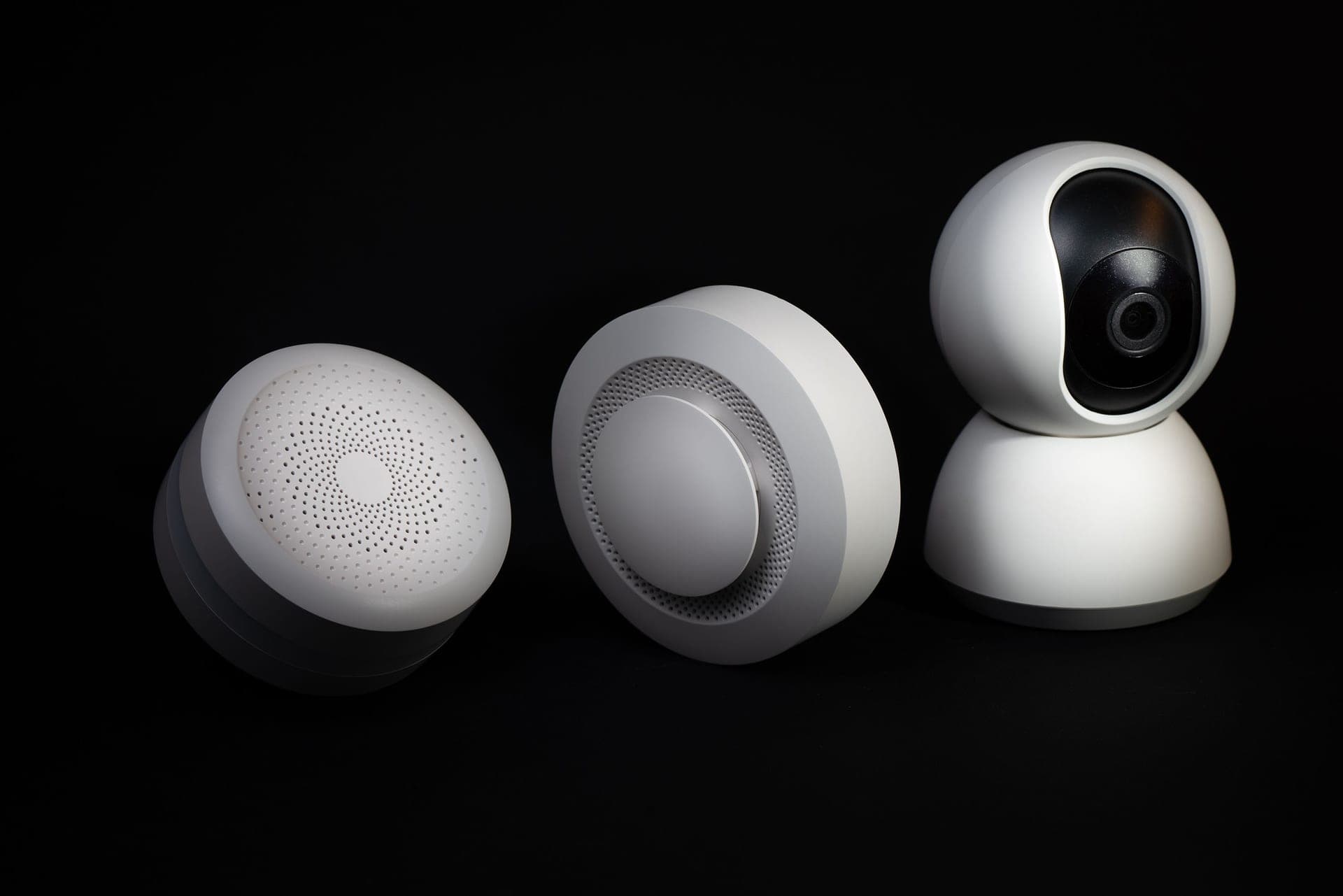 Google Nest Protect (2nd generation) A genuinely good alarm that is no longer a purchase. | Existing owners, not new buyers | 4.6/ 10 | Check price on Amazon #ad how we are funded · we do not cache prices |
| 2 | First Alert SC5 Smart Smoke & Carbon Monoxide Alarm The successor Google points to, on the bracket you already have. | When your Nest reaches its date | 8.7/ 10 | Check price on Amazon #ad how we are funded · we do not cache prices |
The unit, and what to replace it with
Illustrative photo
1. Existing owners, not new buyers
Google Nest Protect (2nd generation)
A genuinely good alarm that is no longer a purchase.
Discontinued. This is here for owners of existing units, not as a current purchase.
- Listed to
- UL 217 and UL 2034
- Sensing / agent
- Split-spectrum smoke sensing plus an electrochemical CO cell
- Power / service life
- Manufacturer-stated 10-year unit life; production ended March 2025
What it got right. The spoken alerts were the best thing about it and the industry has still not fully caught up: being told 'there is smoke in the hallway' rather than hearing an ambiguous horn from somewhere is a real improvement in the seconds after waking. The split-spectrum smoke sensing and the CO cell were both properly listed, and the app notification when nobody was home is the one smart feature that genuinely changes outcomes.
What it got wrong, in hindsight, was structural rather than technical. It was expensive per position, in a category where the thing that determines survival is having enough alarms. A lot of Nest houses ended up with two or three units where the requirement was six, which is the wrong trade however good the units are. How many do I need.
And it depended on a service. That dependency is now the headline fact about it — not because Google behaved badly, but because a life-safety device outliving its manufacturer's interest is a foreseeable situation and plain alarms do not have the problem.
What to do if you own one: press the test button, check the date on the back, count your positions against the requirement, and plan replacements as units age out. Nothing about this is urgent.
What it does well
- UL 217 and UL 2034 — properly listed for both hazards
- Split-spectrum smoke sensing plus an electrochemical CO cell
- Spoken alerts that named the room, which is genuinely better than a horn
- Google has continued software and security updates for existing units
The downside
- **Production ended March 2025** — not a current purchase at any price
- The manufacturer-stated ten-year unit life runs from each unit's own manufacture date
- Buying second-hand means buying an unknown remaining service life
- No new hardware means no path forward within the product itself
Do not buy this if: anyone shopping for an alarm today. This review exists for the large number of households that already own them. If you are buying, go to [the main roundup](/smoke-detectors/best-smoke-detectors) or [the smart alarm page](/smoke-detectors/best-smart-smoke-detectors).
- Google stopped producing it in March 2025 — it is no longer a current purchase
- Existing units continue to receive software and security updates
- Spoken alerts that named the room, plus phone notifications
- The First Alert SC5 is the successor Google itself points owners toward
Illustrative photo
2. When your Nest reaches its date
First Alert SC5 Smart Smoke & Carbon Monoxide Alarm
The successor Google points to, on the bracket you already have.
- Listed to
- UL 217 and UL 2034
- Sensing / agent
- Photoelectric smoke sensing plus an electrochemical CO cell
- Power / service life
- 10-year sealed battery
The bracket compatibility is the reason this is the pragmatic answer rather than just the officially blessed one. First Alert's guidance confirms it mounts on the existing Nest bracket and includes an adapter for hardwired positions, so replacing four units becomes four small jobs spread over years.
Feature continuity is good: both listings, ten-year sealed battery, away notifications, Google Home. The things people actually used survive.
The full comparison works through the changeover step by step, including whether every position needs to be a smart one. Usually it does not.
What it does well
- Currently produced and supported
- UL 217 and UL 2034 with a 10-year sealed battery
- Reuses the Nest Protect bracket, with a quick-connect adapter for hardwired positions
- Phone alerts and Google Home integration, so the app habit transfers
The downside
- Another ecosystem-dependent product, which is a reasonable thing to be wary of now
- Higher cost per position than a plain listed alarm
- Wi-Fi dependency for the smart features
Do not buy this if: the Nest experience has left you wanting nothing to do with cloud-dependent alarms. That is a defensible position — buy interconnected non-smart alarms and you get whole-house sounding with nothing to discontinue.
- Works with the Google Home app; Google promotes it as the Nest Protect replacement
- Reuses the Nest Protect mounting bracket, and ships a quick-connect adapter for hardwired swaps
- Interconnects with existing Nest Protect units during a staged changeover
- Phone alerts when the alarm sounds away from home
First Alert product documentation
#ad how we are funded · we do not cache prices
What to do this week if you own one
Twenty minutes, no purchases required.
Press the test button on every unit
And check that each one still appears and reports normally in the app.
Read the manufacture date on the back of each one
This is the number that matters. Ten years from that date, not from the announcement, not from installation.
Count your positions against the requirement
One per sleeping room, one outside each separate sleeping area, one per level including the basement. If you are short, that is the gap to close — and you can close it with inexpensive listed alarms rather than smart ones.
Check the exclusion distances
At least 10 ft from a fixed cooking appliance, 36 in from a bathroom door with a shower, a supply register or paddle-fan blades. The placement guide.
Write the dates down
Somewhere you will find them — the home fire safety checklist has a place. It turns the next review into a five-minute job.
Plan the replacements, do not rush them
As each unit reaches its date, replace it on the existing bracket. And decide then whether that position needs to be smart at all.
Questions people actually ask
Is the Google Nest Protect still good in 2026?
Should I replace my Nest Protect?
Will my Nest Protect stop working?
What should I replace a Nest Protect with?
Was the Nest Protect UL listed?
Can I still use the Nest app with my Protect?
How these picks were chosen. On published specifications, safety listings and manufacturer documentation — plus the findings of organizations that do run tests. We have no laboratory and we do not burn anything. Read the full methodology.
Sources
- First Alert — Nest Protect replacement — First Alert SC5 compatibility
- UL Solutions — UL 217 — smoke alarms
- UL Solutions — UL 2034 — single and multiple station carbon monoxide alarms
- NFPA — Smoke Alarms in US Home Fires
- NFPA — Smoke alarms — installation and placement guidance
Read next

Smoke Detectors
Nest Protect vs First Alert SC5
The discontinued original and its promoted successor — what actually transfers.

Smoke Detectors
The Best Smart Smoke Detectors
The one smart feature worth paying for, and why coverage still beats cleverness.
Smoke Detectors
When to Replace Smoke Detectors
Where the date is, why the test button proves little, and what to replace with.
Smoke Detectors
The Best Smoke Detectors for a Home
Four alarms, what UL 217 tests, and why interconnection beats every other feature.
Placement & Code
How Many Smoke Detectors Do I Need?
Worked counts for real house shapes, including split levels and open plans.