Smoke Detectors
Smart vs Regular Smoke Detectors
The connectivity is real and useful. It is just not detection, and the assumption that a smart alarm is a better alarm is the thing this page is here to take apart.
By Ryder M.Last reviewed
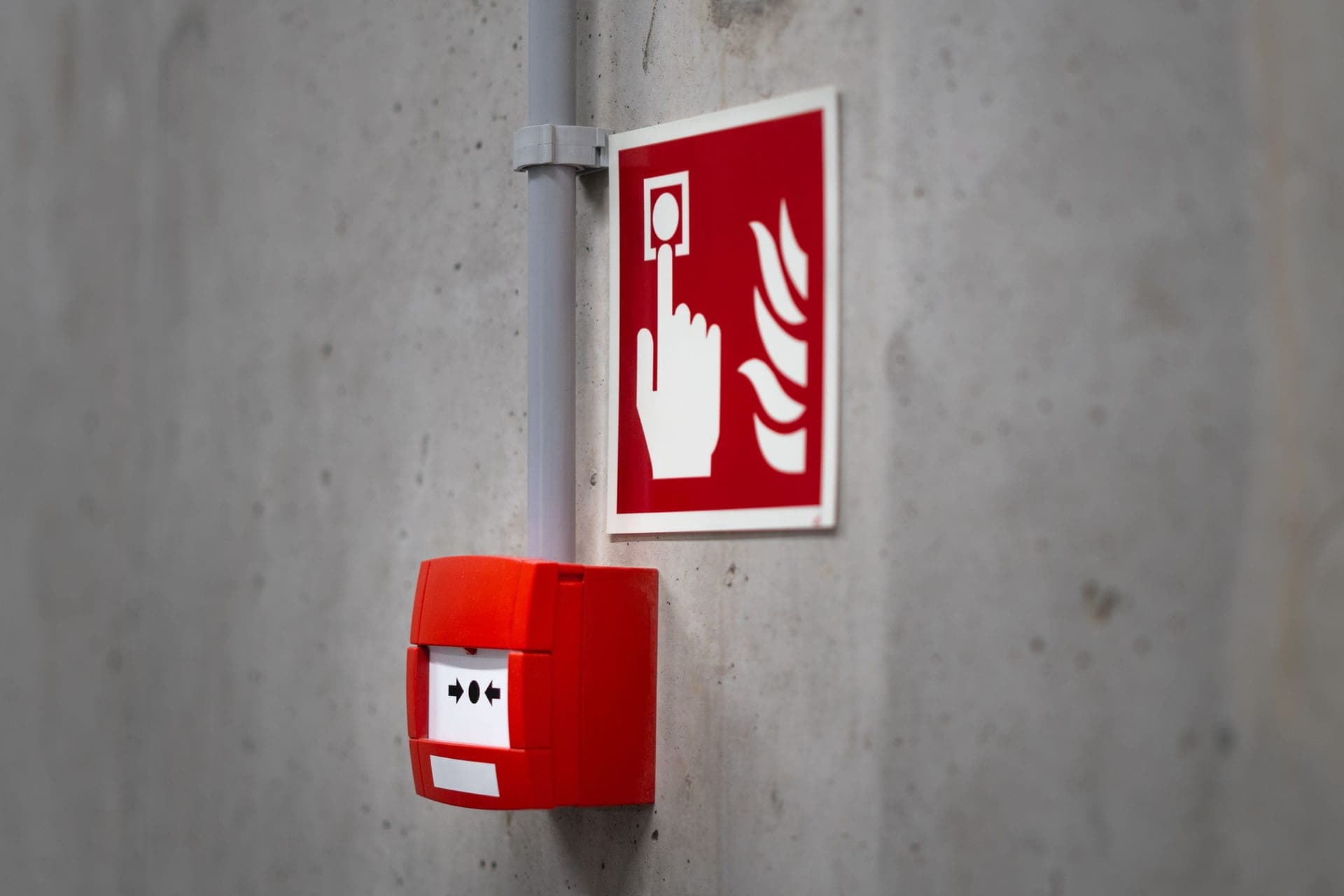
A smart alarm does not detect fires better than a plain one — both are listed to UL 217, and at the moment several smart models are on an older edition of that standard than current plain alarms. What connectivity buys is a notification when nobody is home and the ability to see which unit tripped. That is worth having in one or two positions. Buy plain current-listing alarms everywhere else, because coverage matters more than any feature, and smart alarms cost several times as much per ceiling.
Siren & Safe is reader-funded. We earn a commission on some links on this page, at no cost to you. It does not change what we recommend or the order we rank it in. Full disclosure.
Both are listed to the same standard
Start here, because it settles most of the argument. Every smoke alarm legally sold in the US — smart or not — is listed to UL 217. The sensing chamber in a smart alarm is the same technology as the one in a plain alarm: a photoelectric chamber, an ionization chamber, or both.
Connectivity is a radio and some software bolted to that. It does not make the chamber more sensitive, it does not make the alarm respond sooner, and it does not make the horn louder. A smart alarm and a plain alarm from the same manufacturer, with the same sensor, will detect the same fire at the same time.
And right now, some smart alarms are on an older edition of the standard. Kidde states UL 217 10th edition for its current plain Detect-series alarms; First Alert states the 9th edition for its Z-Wave smart alarm. The 10th edition is the one that added the cooking-nuisance test — an alarm has to be exposed to smoke from cooking food and not alarm, while still passing every fire test.
So if your reason for considering a smart alarm was that it must be the better device, that reason does not survive contact with the spec sheets. The reason to buy one is the notification, and that is a different argument that stands on its own.
What you actually get
Feature by feature, with the honest verdict on each. Only one row here is something a plain alarm cannot do at all.
| Smart alarm | Regular alarm | Does it change outcomes? | |
|---|---|---|---|
| Detects smoke | UL 217 | UL 217 | No difference |
| Listing edition, today | Often 9th | 10th on current models | Yes — the plain alarm is ahead on nuisance resistance |
| Sounds in the house | 85 dB horn | 85 dB horn | No difference |
| Alerts you when nobody is home | Yes | No | Yes — this is the whole case for smart |
| Tells you which unit tripped | Yes | No | Convenience, not safety |
| Silence from a phone | Yes | No | Convenience, and a mild risk |
| Cost per position | Several times higher | Low | Yes — cost decides coverage |
| Works with no internet | Horn yes, alerts no | Yes | Matters more than people expect |
| Still supported in ten years | Depends on a vendor | Yes | Yes, over the life of the device |
Quick picks
Scored against detection quality, alerts you when out, cost per position, long-term reliability and setup effort. Tap a row for the full write-up. The price in each buy button is the live Amazon price at the last check, stamped with the date it was taken.
| # | Product | Best for | Score | Price |
|---|---|---|---|---|
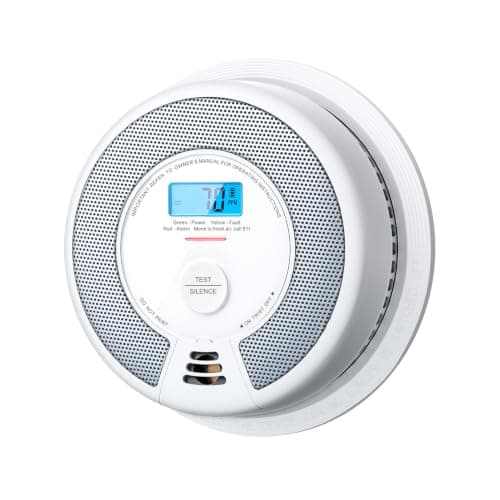
| 1 | 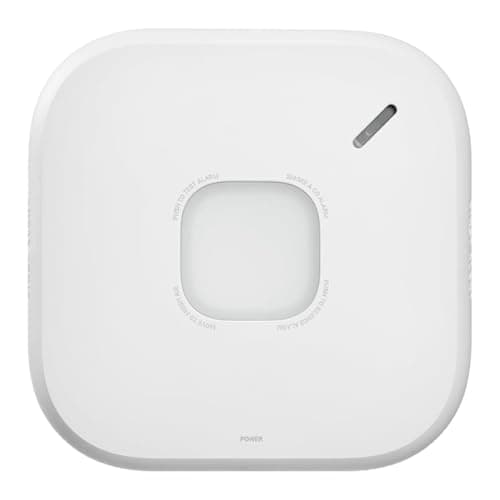 First Alert SC5 Smart Smoke & Carbon Monoxide Alarm Phone alerts when nobody is home, which is the genuine smart-alarm benefit and the only one. | The one connected position | 7.8/ 10 | $124.97 · View on Amazon #ad how we are funded · price as of October 19, 2026 |
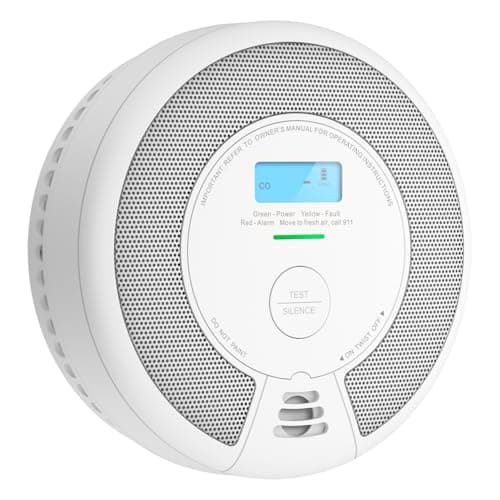
| 2 | 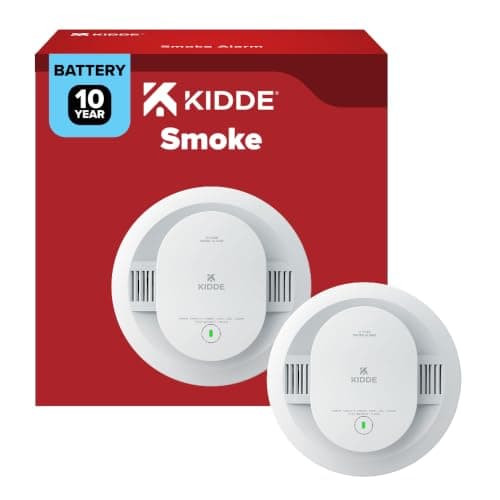 Kidde 20SD10 10-Year Battery Smoke Alarm Newer listing, a fraction of the price, and nothing to break. | Every other position in the house | 8.6/ 10 | $32.47 · View on Amazon #ad how we are funded · price as of October 19, 2026 |
The two we would actually buy
1. The one connected position
First Alert SC5 Smart Smoke & Carbon Monoxide Alarm
Phone alerts when nobody is home, which is the genuine smart-alarm benefit and the only one.
- Listed to
- Conforms to UL 217 10th edition — First Alert's published specification names no UL 2034 number
- Sensing / agent
- Photoelectric smoke sensing plus an electrochemical CO cell
- Power / service life
- Six replaceable 3V CR123A lithium cells; 10-year limited warranty
The case for a smart alarm is narrow and it is real: you are not home. An empty house with a fire in it has no one to hear the horn, and the difference between a neighbor noticing smoke and your phone buzzing in a meeting can be the whole house.
Everything else in the marketing is softer than it sounds. Knowing which unit tripped is a convenience. Silencing from a phone is a convenience. Self-test reporting is a convenience. All genuinely nice; none of them change what happens in a fire while you are in the building.
This is a good alarm on its own terms — proper listings, ten-year sealed cell, a sensible replacement path for the discontinued Nest Protect. Our full write-up sits in the best smart smoke detectors, and if you want the Home Assistant angle specifically, that is a different problem with a different answer.
What it does well
- UL 217 and UL 2034 with a ten-year sealed battery — a properly specified alarm before you count the radio
- Phone alerts when the alarm sounds and the house is empty, which is the one thing a plain alarm genuinely cannot do
- Tells you which unit tripped, so you are not walking the house working out where the noise is
- Google promotes it as the Nest Protect replacement and it reuses the Nest bracket, which makes a changeover straightforward
- Works with the Google Home app, so in a Google household there is no extra ecosystem to adopt
The downside
- **Several times the price of a plain alarm**, which in a house needing eight positions is the difference between full coverage and partial coverage
- Depends on Wi-Fi, the internet and a manufacturer's cloud to deliver the thing you paid for
- A vendor can deprecate an app or an integration on its own schedule, and the alarm outlives the software
- Setup is an account, a network join and a firmware update rather than twisting a bracket
- None of the connectivity helps the person who is actually in the house — they hear the same horn
Do not buy this if: every ceiling in the house. Fitting these everywhere is the most expensive way to end up with fewer alarms than you need, and it is a mistake that feels like an upgrade while you make it.
- Google promotes it as the Nest Protect replacement, and it mounts on the same bracket
- Wireless interconnect, including with compatible Google Nest Protect units, so a changeover can be staged one alarm at a time
- Voice alerts with Heads-Up warning, naming the hazard and the location rather than only sounding
- Phone alerts through the Resideo Connect app when the alarm sounds away from home
- 85 dB at 10 feet — the standard household figure, not a louder one
First Alert product documentation
#ad how we are funded · price as of October 19, 2026
2. Every other position in the house
Kidde 20SD10 10-Year Battery Smoke Alarm
Newer listing, a fraction of the price, and nothing to break.
- Listed to
- UL 217, 10th edition (UL 217-2024 Ed.10)
- Sensing / agent
- Photoelectric smoke sensing only — no CO cell
- Power / service life
- Sealed 10-year lithium battery; 10-year limited warranty
The uncomfortable finding when you compare current products side by side is that the plain alarm is on the newer safety listing. Kidde states UL 217 10th edition for this unit; First Alert's Z-Wave smart alarm states conformity to the 9th. The 10th edition is the one that added the cooking-nuisance test — the change that makes an alarm less likely to be torn off a ceiling in frustration.
That is not a permanent state of affairs and it will even out as the smart ranges are re-listed. It is true right now, and it is the opposite of the assumption most buyers bring to this decision, which is worth knowing before you spend four times as much per position.
The other thing this unit has is longevity of a kind connected devices do not. A smoke alarm lives on a ceiling for ten years. Ten years is a long time in consumer software — long enough for an app to be rebuilt, an account system to be migrated, an integration to be dropped, or a company to exit the category. A device with no software cannot be abandoned by anybody.
What it does well
- Listed to UL 217 10th edition — the current edition, which several current smart alarms do not carry
- Cheap enough to fit every required position, which is what actually determines whether a household is protected
- No account, no network, no firmware, no app that can be discontinued
- Sealed ten-year lithium cell, so no maintenance and no chirp until end of life
- Ten-year limited warranty
The downside
- **Tells nobody anything when the house is empty**
- No interconnect of any kind, wired or wireless
- Smoke only, no CO cell
- Photoelectric only, so no dual-sensor coverage
Do not buy this if: the position where being alerted while you are out genuinely matters — usually the kitchen-adjacent hallway. That is the one ceiling worth spending on.
- Listed to the 10th edition of UL 217, which carries the cooking-nuisance test the 8th edition introduced
- Kidde's own wording: enhanced sensing technology reduces false alarms often caused by cooking
- No low-battery chirps for ten years — the first end-of-life beep is the replacement signal
- Three long beeps and a red flash on smoke, so the pattern tells you which hazard it is
- Twist-and-click bracket, and it self-tests rather than waiting for you to press the button
#ad how we are funded · price as of October 19, 2026
The coverage argument, which is the real one
A typical three-bedroom house needs somewhere around six to eight alarms to meet the required positions: one inside each bedroom, one outside each sleeping area, one on each level. That is what how many smoke detectors do I need works through.
A smart alarm costs several times what a plain one does. Household budgets are finite, so what happens in practice is that people buy three or four smart alarms instead of the seven plain ones they needed — and they do it feeling like they have upgraded.
That is a downgrade. Three excellent alarms cover three positions. Four uncovered bedrooms are four rooms where somebody sleeping behind a closed door is relying on hearing an alarm somewhere else in the house. The single largest determinant of whether a household is warned in time is how many of the right positions have a working alarm in them, and no feature on any box competes with that number.
So the order is: cover every position first, with alarms that are current, in date and correctly placed. Then, if there is budget left, make one or two of those positions smart.
When a smart alarm genuinely earns its price
Specific circumstances rather than general enthusiasm. If none of these describe you, the money is better spent on more coverage or on a CO alarm.
- The house is regularly empty — you both work away from home, or it is a second property, or you travel. The notification is the entire product, and here it has something to notify you about
- You are responsible for a property you do not live in, such as a rental or a relative's house. Knowing an alarm sounded there is worth real money
- An older relative lives alone and you want to know. Be clear that this helps *you* respond, not them — they still have to hear the horn, which is what the best smoke detectors for seniors is about
- You want the automation, honestly and for its own sake: lights to full brightness, an announcement on every speaker, the HVAC off. Those are genuinely useful and a plain alarm cannot trigger them
- Your house has a position that trips often and knowing which unit it was saves you a walk at 3am. A small benefit, but a real one
What we would fit, room by room
A mixed set, and not as a compromise — as the correct answer.
One smart alarm on the landing or the hallway outside the bedrooms, or wherever your house's most likely first-alarm position is. That is the unit whose notification you want if you are out, and it is the one whose identity is useful when something trips.
Plain current-listing alarms in every other required position — inside each bedroom, on each other level, in the basement. Sealed ten-year cells, photoelectric, listed to the newest edition of UL 217 you can find on a box.
Interconnection if the house has more than one floor, and this is the feature to buy before connectivity. A wirelessly interconnected set means a fire anywhere sounds every alarm — which does more for the people asleep in the house than any notification does. Interconnected smoke alarms covers the options, and note that interconnection and smart are different things that are often confused.
A CO alarm wherever the house needs one. If you have gas appliances, a fireplace or an attached garage, a second hazard is uncovered and it is a more common cause of death than most people assume. Spending on a smart smoke alarm while having no CO coverage is the wrong order — see do I need a CO detector.
The verdict
Buy regular alarms for almost every position, and one smart alarm if the notification is worth something to you.
Smart alarms are not better at detecting fires — and at the time of writing, several are on an older edition of UL 217 than the plain alarms sitting next to them on the shelf. What they add is a message to a phone that is not in the building, which is genuinely valuable if the building is regularly empty and worth very little if it is not.
What they cost is coverage. A household that spends its smoke alarm budget on connectivity and ends up with four alarms instead of seven has made itself less safe while feeling like it did the opposite, and that is the outcome this page exists to prevent.
If you take one thing away: count your positions before you compare features. Fill all of them with current, in-date, correctly placed alarms. Interconnect them if the house has stairs. Then, with whatever is left, make one of them smart.
Questions people actually ask
Are smart smoke detectors better than regular ones?
Is a smart smoke detector worth it?
Do smart smoke detectors work without Wi-Fi?
What is the difference between smart and interconnected smoke alarms?
Can I mix smart and regular smoke alarms in one house?
Do smart smoke detectors need a subscription?
Will a smart smoke alarm wake me up better?
How these picks were chosen. On published specifications, safety listings and manufacturer documentation — plus the findings of organizations that do run tests. We have no laboratory and we do not burn anything. Read the full methodology.
Sources
- UL Solutions — UL 217 — smoke alarms
- NFPA — NFPA 72, National Fire Alarm and Signaling Code (2025 edition)
- NFPA — Smoke alarms — installation and placement guidance
- Kidde — Smoke Alarm, 10-Year Battery Powered (20SD10) — product specifications
- First Alert — Z-Wave Plus Smart Smoke & CO Alarm (SMCO410) — product specifications
- First Alert — Nest Protect replacement — First Alert SC5 compatibility
Read next
Smoke Detectors
The Best Smart Smoke Detectors
The one smart feature worth paying for, and why coverage still beats cleverness.
Smoke Detectors
The Best Battery-Operated Smoke Detectors
Sealed ten-year cells, the interconnect problem, and four battery alarms that are current models.
Smoke Detectors
The Best Smoke Detectors for Home Assistant
Z-Wave is the only properly local route, the device list is short, and why the automation must never be the alarm.
Smoke Detectors
Why interconnection matters most, and the wired, wireless and hybrid routes.
Smoke Detectors
Nest Protect vs First Alert SC5
The discontinued original and its promoted successor — what actually transfers.
Placement & Code
How Many Smoke Detectors Do I Need?
Worked counts for real house shapes, including split levels and open plans.
Smoke Detectors
Google's promoted Nest Protect successor, reviewed on the published specification — including the CR123A battery design and the listing we could not verify.