Carbon Monoxide Detectors
CO Detector Beeping Codes
One of these patterns means leave the building. The others mean buy a battery or buy an alarm. If you cannot tell which you are hearing, leave — and work it out from outside.
By Ryder M.Last reviewed
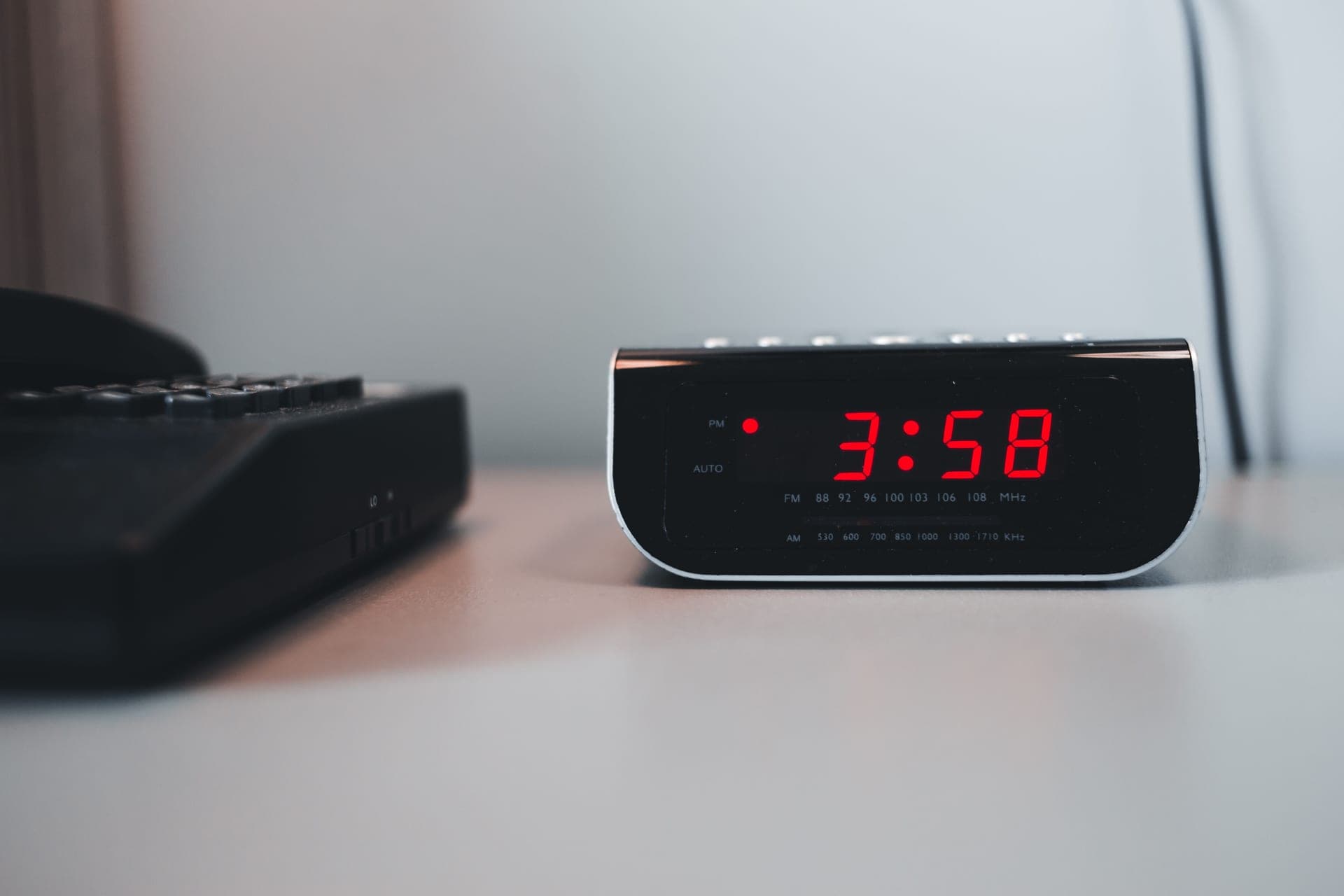
On most units, four rapid beeps repeating is the carbon monoxide alarm itself; a single chirp about once a minute is low battery; and a distinct repeated pattern, often with END or ERR on the display, is end of life. Patterns vary by manufacturer, so the manual for your model governs. The rule that overrides all of it: if you are not certain which signal you are hearing, get everyone outside and call 911, then diagnose from outside. Getting that wrong in the cautious direction costs you an hour.
This page carries no picks by design. Someone reading it may have an alarm sounding right now, and the correct first action is to leave the building, not to shop. Where the diagnosis turns out to be end of life, the replacement roundup is one click away.
The patterns
These are the common conventions across major manufacturers. Your model's manual governs — patterns genuinely differ, and some units use voice announcements instead.
| What you hear or see | Usually means | Action |
|---|---|---|
| Four rapid beeps, pause, repeating | Carbon monoxide alarm | Get everyone outside. Call 911 from outside. Do not go back in |
| A loud continuous or urgent sounder | Alarm — on some units, or a combination unit signaling smoke | Get out and call 911. Identify which hazard from outside |
| One short chirp roughly every 60 seconds | Low battery | Replace the battery. If it continues, read the manufacture date |
| A distinct repeated chirp pattern, often with END on the display | End of life — the sensor has reached the end of its service life | Replace the whole unit. A new battery will not fix it |
| ERR, Err or a fault code on the display | Sensor or unit fault | Replace the unit. Treat the position as unprotected until you do |
| Five chirps, or three chirps, repeating | Model-specific — commonly end of life or a malfunction | Check the manual. In the absence of a manual, replace the unit |
| One chirp when you press the test button, then silence | Working as intended on some models — check the manual for the expected test response | None, if that matches the manual |
| Nothing when tested | Dead unit, dead battery or unplugged | Restore power or replace immediately — this position is unprotected |
Combination smoke and CO alarms use different patterns for the two hazards, and units with voice announcements say which. If you own one, learn the difference now rather than during an event.
The diagnostic, in the right order
Step 1 is not optional and it is not 'if it seems serious'. Do it first, every time.
If there is any chance it is an alarm, get out
Everyone outside, pets included, then call 911 from outside. Tell them you have a CO alarm sounding. The fire service carries meters and will tell you whether the house is safe. Everything below happens after this.
Once you are told it is safe, identify the pattern
Listen deliberately: four rapid beeps repeating, or one chirp a minute, or something else. Look at the display for END, ERR or a number.
Read the manufacture date on the back
This resolves most cases immediately. A unit more than 7 to 10 years old that is chirping is almost certainly signaling end of life, whatever the pattern looks like. Lifespan and replacement.
Check the manual for your model
Search the model number on the manufacturer's site if the paper copy is long gone. Patterns differ between brands and between generations of the same brand.
If it is a low-battery chirp, replace the battery
A fresh battery of the type the manual specifies, seated properly, drawer fully latched. A drawer that is not quite closed produces a chirp that looks like a flat battery.
If it chirps again shortly after, it is end of life
This is the commonest confusion in the whole subject, and the answer is a new unit rather than another battery.
If it was a genuine alarm, find the source before using anything
A qualified technician, with the appliance and the flue both inspected. Do not relight anything until then. An alarm that sounded once will sound again.
Why the two chirps get confused
Because they are both quiet, intermittent chirps from the same small speaker, and because the difference is a pattern rather than a sound. At three in the morning, eight years after anyone read the manual, they are genuinely hard to distinguish.
The consequence is predictable and it is the reason this page exists: people fit a new battery to an end-of-life alarm, the chirping stops for a while, and the house now has a device that looks like protection and is not.
Two things prevent it. Buy sealed ten-year units, which have only one clock — when they signal, they are finished. And write the manufacture dates down, so the question 'is this old?' has an answer you do not have to climb a stepladder to get.
If your alarm has a display, it will usually resolve the ambiguity for you with END or ERR. That is a real argument for buying units with displays.
The specific cases people ask about
Beeping three times. Model-specific. On some units it indicates a malfunction or end of life; on others it is part of a different signal entirely. Read the manual, and in its absence read the date. If there is any suggestion it could be the alarm, leave and call 911.
Beeping twice every 30 seconds. Also model-specific and usually a fault or end-of-life indication rather than a CO alarm — but not universally. Same rule.
Chirping only at night. Often temperature. Battery voltage drops as a room cools, which can push a marginal battery below the low-battery threshold overnight and back above it by mid-morning. It means the battery is nearly done, or the unit is.
Chirping straight after installation. Usually a battery pull-tab left in place, a battery drawer not fully latched, or a unit that needs its initial self-test to complete. Check the manual.
An alarm that sounded and then stopped by itself. Do not treat that as resolved. A concentration falling below the reset threshold silences the alarm without the source going away. Get out, call 911, and have the appliance checked.
After you have resolved it
If it was end of life: replace the whole unit, and check the rest of the set. Alarms bought together expire together, so the others are probably close behind. The replacement guide and the CO roundup.
If it was a real alarm: find and fix the source with a qualified technician, and then look at your coverage. If the alarm that sounded was the only one in the house, the gap is everywhere else. Where to install CO detectors.
Either way: write the manufacture dates of every alarm down, and learn your model's signal patterns while you are calm. A note taped inside a nearby cupboard door, with the two patterns written on it, is a small thing that works at three in the morning. The home fire safety checklist is where the dates go.
And if the chirping was from a smoke alarm rather than a CO alarm — which happens, because they sit on the same ceilings and sound similar — the smoke alarm chirping guide covers that diagnostic.
Questions people actually ask
What does it mean when a carbon monoxide detector beeps 3 times?
What does 4 beeps on a CO detector mean?
Why does my CO detector chirp once a minute?
What does END mean on a CO detector?
My CO alarm went off and then stopped. Is it fine?
Why does my CO detector only chirp at night?
Sources
Read next
Carbon Monoxide Detectors
CO Detector Lifespan and Replacement
7-10 years from the manufacture date, why the test button proves little, and what END means.

Carbon Monoxide Detectors
Carbon Monoxide Poisoning Symptoms
The symptoms, the flu-without-fever pattern, and the emergency action first.
Carbon Monoxide Detectors
The Best Carbon Monoxide Detectors
Four listed alarms, and why peak-level memory beats a fancier display.
Smoke Detectors
Smoke Detector Chirping
The diagnostic in order, and why a new battery often is not the answer.
Carbon Monoxide Detectors
Where to Install CO Detectors
Room by room, and a straight answer to the high-or-low question.