Placement & Code
The Home Fire Safety Kit
Five devices, bought in the right order, cover the realistic hazards in a house. Most households own two of them and have never checked either.
By Ryder M.Last reviewed
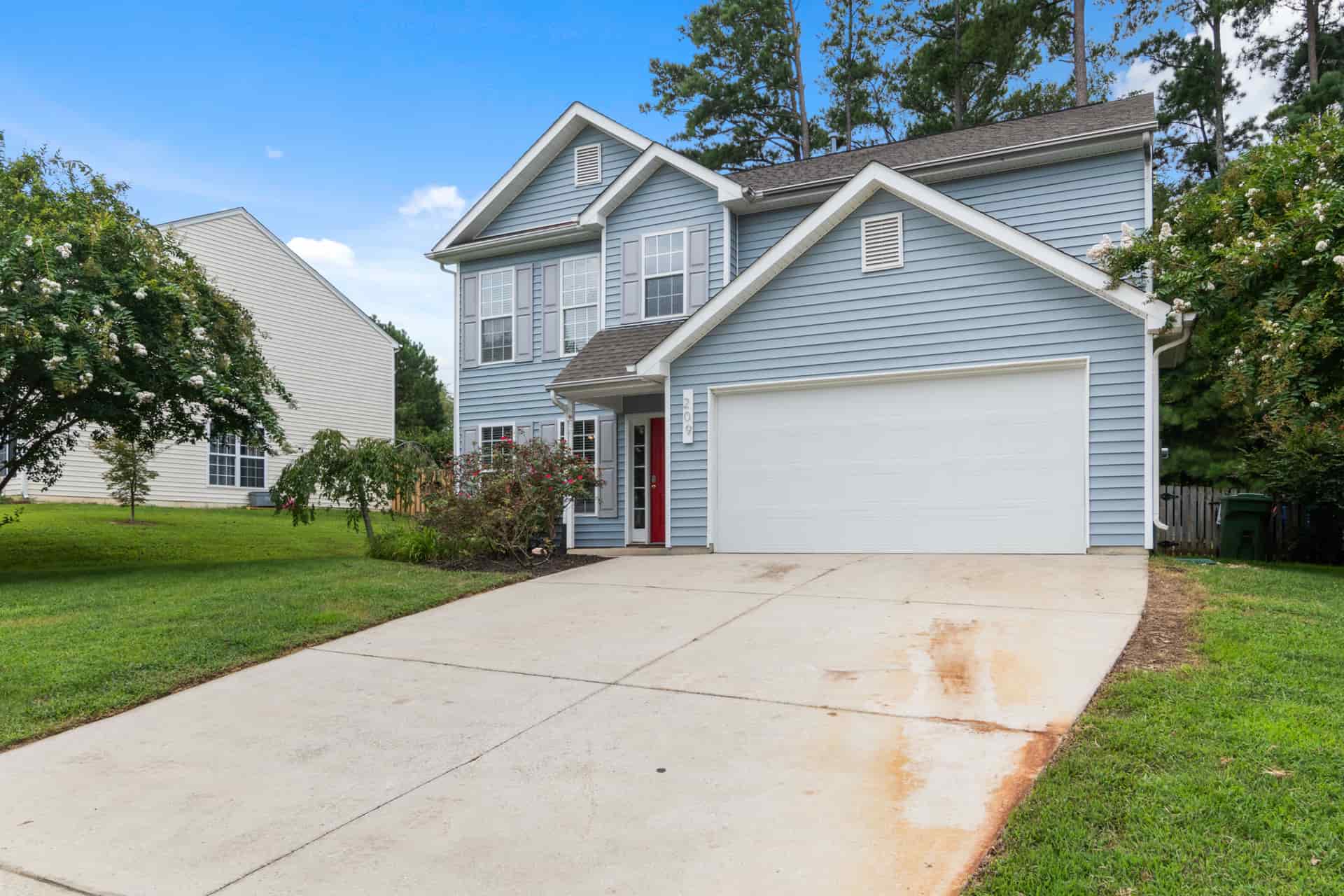
Buy a combination smoke and carbon monoxide alarm first and put one in every required position — it is the only item here with evidence behind it that it halves your risk of dying in a fire. Then a fire blanket within one step of the hob, a rated ABC extinguisher on the escape route, a separate CO alarm in the basement or wherever the fuel appliance is, and an escape ladder for every upstairs bedroom that cannot reach a safe exit. That order is deliberate: items one and two cover the fires households actually get.
Siren & Safe is reader-funded. We earn a commission on some links on this page, at no cost to you. It does not change what we recommend or the order we rank it in. Full disclosure.
Why the order is the point
Search for a home fire safety kit and you get a list of things to buy, usually in the order the seller stocks them. The order matters more than the list.
Fire safety equipment divides into two groups that get conflated constantly. Detection tells you a hazard exists while you can still do something about it. Intervention lets you act on a hazard you have already found. Detection is the one with the survival evidence behind it, and it is cheap.
So the kit starts with alarms in every required position and only then moves to the things you point at a fire. A household with five alarms and no extinguisher is in a better position than a household with two alarms and three extinguishers, and that is not a close call.
The second ordering principle is where fires start. Cooking is the leading cause of home structure fires by a wide margin, which puts a blanket at the hob above an extinguisher in the hall, and both above a ladder upstairs.
Quick picks
Scored against impact on survival, cost per hazard covered, effort to fit, maintenance burden and coverage breadth. Tap a row for the full write-up. The price in each buy button is the live Amazon price at the last check, stamped with the date it was taken.
| # | Product | Best for | Score | Price |
|---|---|---|---|---|
| 1 | 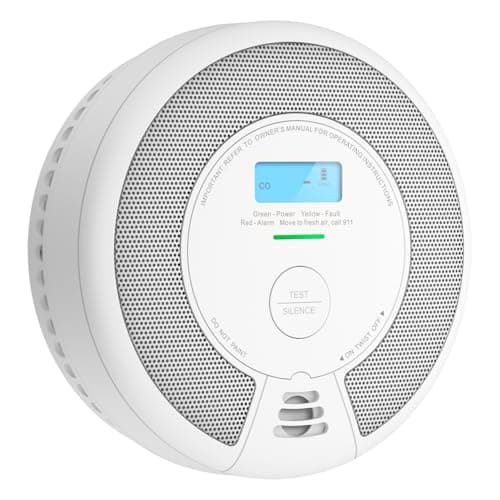 X-Sense SC07 Smoke & Carbon Monoxide Alarm Two hazards, one device, one position, one date to remember. | The first and most important purchase | 9.4/ 10 | |
| 2 | 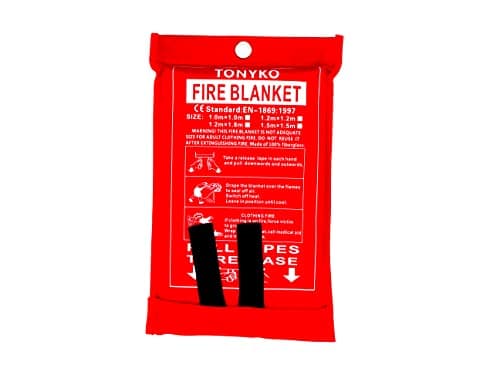 Tonyko Fiberglass Fire Blanket Cooking is the leading cause of home fires, and this is the right tool for a pan. | The fire a household actually gets | 8.6/ 10 | $21.99 · View on Amazon #ad how we are funded · price as of October 19, 2026 |
| 3 | 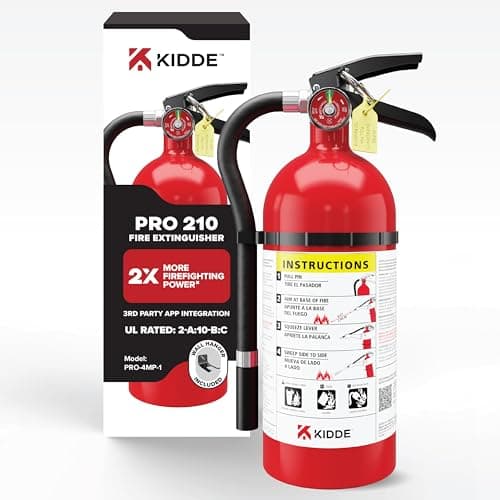 Kidde Pro 210 4 lb Multi-Purpose Extinguisher 4 lb at 2-A:10-B:C — full rating, controllable weight, bracket in the box. | The rated unit on the escape route | 7.8/ 10 | $54.97 · View on Amazon #ad how we are funded · price as of October 19, 2026 |
| 4 | 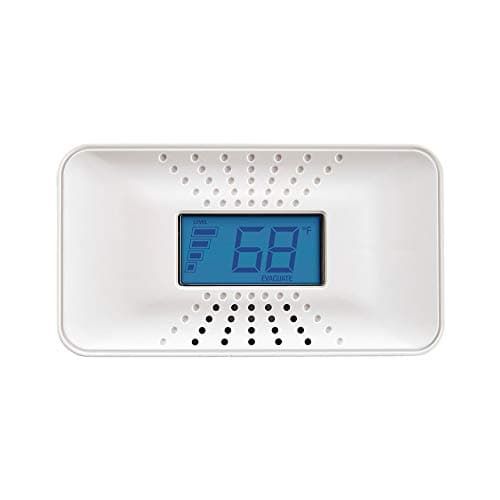 First Alert CO710 Sealed-Battery CO Alarm Sealed ten years, no outlet needed, positioned for CO rather than for smoke. | The appliance space the combination alarm does not suit | 8.4/ 10 | $44.00 · View on Amazon #ad how we are funded · price as of October 19, 2026 |
| 5 | 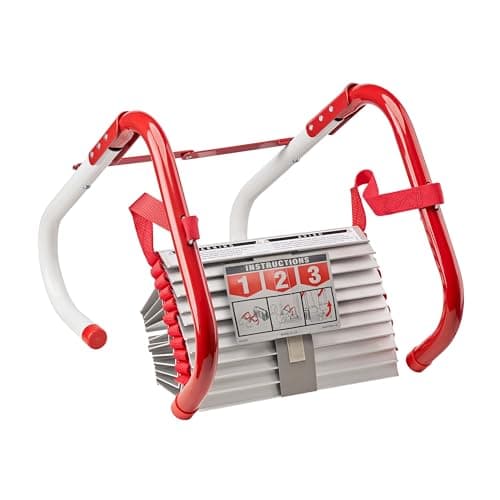 Kidde 2-Story Fire Escape Ladder (13 ft) 13 ft, 7.7 lb, no assembly — the length that reaches ground from a standard second floor. | An upstairs bedroom with no other way out | 7.4/ 10 | $53.99 · View on Amazon #ad how we are funded · price as of October 19, 2026 |
The five items, in buying order
1. The first and most important purchase
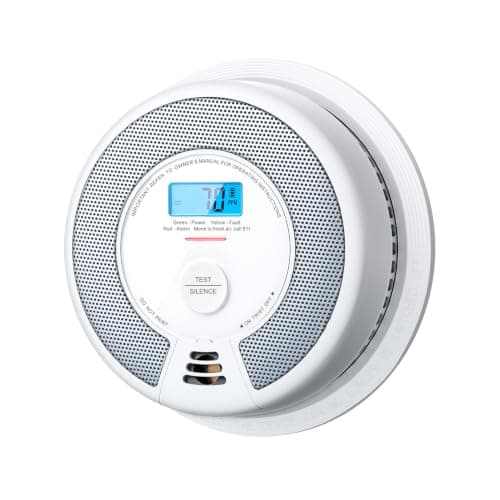
X-Sense SC07 Smoke & Carbon Monoxide Alarm
Two hazards, one device, one position, one date to remember.
- Listed to
- UL 217 and UL 2034
- Sensing / agent
- Photoelectric smoke sensing plus an electrochemical CO cell
- Power / service life
- 10-year sealed lithium battery, not hardwired
Everything else on this page is optional in a way this is not. NFPA's analysis of US home fires found that the death rate per 1,000 home structure fires is around 60% lower where a smoke alarm worked, and that nearly three in five home fire deaths happened in homes with no alarms or with alarms that failed to operate. No extinguisher, blanket or ladder moves a number like that.
Coverage is the part that matters, not the model. One inside every bedroom, one outside each separate sleeping area, one on every level including the basement. How many smoke detectors do I need does the arithmetic for your house.
Combination units make that coverage affordable, because a house needing both smoke and CO in six positions buys six devices instead of ten or eleven. Best combination smoke and CO alarms has the field.
What it does well
- UL 217 and UL 2034 together, so one device covers smoke and carbon monoxide in the same position
- Sealed ten-year lithium battery — no annual battery change and no low-battery chirp until end of life
- LCD reads the measured CO concentration rather than only alarming
- Halves the device count for a house that needs both hazards covered, which is most houses
- No wiring, no app, no account, no base station
The downside
- **Photoelectric only on the smoke side** — no ionization chamber for fast flaming fires
- Standalone: this model does not interconnect, so one sounding does not sound the rest
- A combination unit replaces as a whole when either sensor expires
- A single position has to suit both sensors, which is a compromise in a basement
Do not buy this if: a house that already has hardwired interconnected alarms. Do not downgrade a wired house to standalone battery units — replace like for like and keep the interconnect.
- LCD reads the measured CO concentration rather than only alarming
- Standalone unit — no wireless interconnect, no Wi-Fi, no base station
- Sealed battery, so there is no annual battery ritual and no low-battery chirp until end of life
- Test and silence on one control
2. The fire a household actually gets
Tonyko Fiberglass Fire Blanket
Cooking is the leading cause of home fires, and this is the right tool for a pan.
- Listed to
- Tonyko states the blanket meets EN 1869:1997 for cooking-fire suppression
- Sensing / agent
- Woven fiberglass
- Power / service life
- Single use on a real fire
This is second on the list rather than fifth because of where fires start. Cooking equipment is the leading cause of home structure fires, the great majority begin on the hob, and most are still in or just above the pan when somebody notices.
A blanket beats an extinguisher on that specific fire for three reasons: it is faster, it cannot splash the oil, and an untrained person gets it right first time. Slide it over from the near edge, turn the heat off, walk away and leave it there until the pan is cold.
Mount it within one step of the cooker, on the side you would approach from — not behind the hob, where reaching for it means reaching across the fire. Where to mount a fire blanket.
What it does well
- Smothers a pan fire by excluding oxygen — the mechanism that works on cooking oil
- Manufacturer states conformity to EN 1869:2019, which is more specific than most sellers in the category manage
- No discharge force, so it cannot blow burning oil across a kitchen the way a cylinder can
- Nothing released into the room, so there is no cleanup beyond throwing the blanket away
- Cheap enough in multi-packs to cover the hob, the grill and the garage workbench
The downside
- **Smothers but does not cool** — lift it too early and hot oil relights
- You have to get close to the fire to place it
- Woven fiberglass can shed glass fiber when handled
- Covers a pan and little else: no help with a wall, a cupboard or an extractor
Do not buy this if: a fire that has left the pan. Once a cupboard or the extractor hood is alight, you should be leaving rather than looking for a better tool.
- Tonyko names a specific EN 1869 edition, which is more than most sellers in this category do
- 47.2 x 47.2 in (1.2 x 1.2 m) in the size linked here — large enough to wrap around a body as a heat shield, which the smaller hob blankets are not
- Also sold in a 47.2 x 70.9 in and a 78.7 x 78.7 in, so check which size you are adding to the basket
- Plain blanket — no pouch or hooks in the pack, so plan the fixing yourself
- Tonyko names the kitchen, fireplace, grill, car and camping as the intended uses
#ad how we are funded · price as of October 19, 2026
3. The rated unit on the escape route
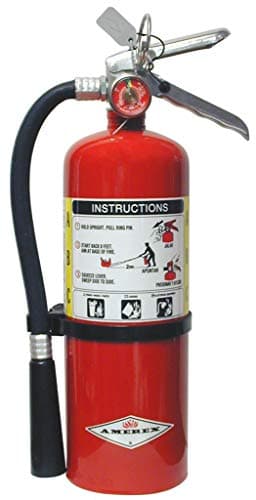
Kidde Pro 210 4 lb Multi-Purpose Extinguisher
4 lb at 2-A:10-B:C — full rating, controllable weight, bracket in the box.
- Listed to
- UL rated 2-A:10-B:C
- Sensing / agent
- Monoammonium phosphate dry chemical
- Power / service life
- Rechargeable; mounting bracket included
Third rather than first, because an extinguisher is the item households most overestimate. It is useful for a small contained fire with a clear exit behind you, and that is a narrower window than the packaging suggests.
Where it goes matters as much as which one you buy. Mount it near the exit you would leave by, not beside the cooker. The whole logic of an extinguisher position is that you can reach it with the fire in front of you and the door behind you.
4 lb is the size we would buy for most houses. The rating is identical to a 5 lb unit; what you trade is run time for control, and operator error is the dominant failure mode in domestic use. What size fire extinguisher do I need.
What it does well
- Full 2-A:10-B:C in a 4 lb unit — the lightest weight that still reaches the 2-A rating requirements commonly specify
- Noticeably easier to hold out and sweep than a 5 lb cylinder, which is what decides where the agent lands
- Rechargeable with the mounting bracket included
- Covers ordinary combustibles, flammable liquids and energized electrical equipment on one label
The downside
- **Dry chemical aftermath** — a fine corrosive powder through the whole room
- Less run time than a 5 lb unit, so less margin if the first attempt misses
- Needs a solid fixing and a position people will remember
- 10-B is modest if the real hazard is a garage full of fuel
Do not buy this if: a garage or workshop as the only unit. Fuel and solvent need a higher B rating — see [Class B fire extinguishers](/fire-extinguishers/class-b-fire-extinguishers).
- 4 lb — the lightest unit that still reaches a 2-A rating, which matters for one-handed use
- Rechargeable, with the bracket in the box
- Same 2-A:10-B:C class coverage as heavier units, with less run time
- Less agent means less margin for error if the first attempt misses
#ad how we are funded · price as of October 19, 2026
4. The appliance space the combination alarm does not suit
First Alert CO710 Sealed-Battery CO Alarm
Sealed ten years, no outlet needed, positioned for CO rather than for smoke.
- Listed to
- UL 2034
- Sensing / agent
- Electrochemical CO sensor
- Power / service life
- 10-year sealed battery
This is the one item on the list that is conditional rather than universal, and the condition is simple: does your house burn anything, or is a car parked against it?
Gas furnace, gas water heater, gas range, fireplace, wood stove, attached garage — any one of those is a CO source, and the basement or plant room holding it is the position a combination alarm usually serves badly. CO detection wants to be in the same space as the appliance and clear of its start-up plume; smoke detection wants to be near the foot of the stairs. Those are different places.
Best CO detectors for basements covers that room specifically, and do I need a CO detector answers the all-electric question honestly.
What it does well
- UL 2034 listed with a sealed ten-year battery and nothing to replace in between
- Goes where the room needs it rather than where the socket is, which matters in a plant room
- Digital display of the measured concentration
- Unaffected by a power cut, which is exactly when generators appear
The downside
- **Smoke is not covered** — this is a CO-only device and the basement still needs a smoke alarm near the stair
- End of life means replacing the whole unit
- No mains indicator, so you have to go down and test it
- A basement nobody visits is a basement where a ten-year date gets forgotten
Do not buy this if: a house with no fuel-burning appliance, no fireplace and no attached garage. There, the combination alarms already cover the realistic CO exposure.
- Sealed 10-year battery — nothing to change, and no low-battery chirp until it is genuinely done
- Digital display showing the measured concentration
- Placement is free: no outlet required, so it can sit at the height the room actually needs
- End of life means replacing the whole unit, by design
#ad how we are funded · price as of October 19, 2026
5. An upstairs bedroom with no other way out
Kidde 2-Story Fire Escape Ladder (13 ft)
13 ft, 7.7 lb, no assembly — the length that reaches ground from a standard second floor.
- Listed to
- Kidde states the ladder is tested to 1,000 pounds, published as 750 lb on a single rung and 1,000 lb spread over more than one
- Sensing / agent
- Zinc-plated 1 ft wide anti-slip metal rungs on red nylon strap rails, window hooks
- Power / service life
- Single use — Kidde says discard when unfolded or used. 5-year limited warranty; inspect annually
Last on the list because it is the most situational item and the one most often bought instead of a plan rather than as part of one.
The question that decides whether you need one is specific: from each upstairs bedroom, with the door closed, is there a route to an exterior door that does not pass the most likely fire? If the answer for a room is no, that room needs a ladder and somebody who has practiced with it.
Practice is the whole thing. Unbox it, hook it over the sill on a dry afternoon with somebody steadying it, and let anyone who might use it feel what it is like. How to use a fire escape ladder covers the technique, and what size escape ladder do I need covers the measurement.
What it does well
- 13 ft reaches the ground from a standard second-floor window
- 7.7 lb, light enough that most adults can lift and hook it from a seated position
- No assembly and no tools — hook it over the sill and release the strap
- Tested to 1,000 lb spread across more than one rung, 750 lb on a single rung
The downside
- **Strap rails twist against the wall**, which is the part that frightens people mid-climb
- Single use — discard after any real deployment
- Useless without practice. A ladder in a box under a bed is not an escape plan
- Not usable by small children or anyone who cannot support their own weight on a rung
Do not buy this if: a bedroom that already has a safe route to an exterior door, or a household where nobody in that room could physically climb down. Both cases need a different plan, not a ladder.
- 13 ft, which is the length that reaches ground from a standard second-floor window
- Fits most common windows up to 11 in deep and 16 in wide, casement windows included — measure before you order
- No assembly and no tools: hook it over the sill and release the rungs
- Tangle-free design, which is the specification that matters when you deploy it once, in the dark, for real
- Strap rails twist against the wall, which is the part that frightens people mid-climb
#ad how we are funded · price as of October 19, 2026
What each item is actually for
The failure mode in most households is not owning the wrong equipment. It is owning the right equipment in the wrong place.
| Item | The hazard it addresses | Where it goes |
|---|---|---|
| Smoke and CO alarms | Detection — fire and carbon monoxide, while you can still act | Inside each bedroom, outside each sleeping area, every level including the basement |
| Fire blanket | A pan fire on the hob | Within one step of the cooker, on the approach side, in a pull-tab pouch |
| ABC extinguisher | A small contained fire with a clear exit behind you | Near the exit you would leave by — not beside the cooker |
| CO alarm at the appliance | A failing furnace, water heater or flue | Same space as the appliance, several feet away, never directly above it |
| Escape ladder | An upstairs bedroom with no safe route to an exterior door | In that bedroom, within reach of the bed, unboxed and practiced with |
Positions follow NFPA 72 and the residential code. NFPA 72 residential requirements has the chapter and verse.
What a kit does not need
Things that appear on shopping lists for this search and that we would not buy. Saying so costs us money and it is the honest answer.
- A Class K extinguisher. Written for commercial fryers, little or no Class A rating, and a lid or a blanket beats it on a domestic pan — kitchen Class K vs ABC
- A smoke hood or escape mask. Marketed hard, genuinely useful in a few professional contexts, and in a house it adds a step between you and the door at the moment you least want one
- A second extinguisher next to the first. Two units in one room is not redundancy, it is a missing unit somewhere else
- An unlisted alarm because it was cheaper. Not a cheaper alarm — an untested one, and not legal under residential code either. UL listed smoke detectors
- A rope ladder stored in its box under a bed. The box is the problem, not the ladder. Unpack it and practice, or do not buy it
- Decorative extinguishers. A unit chosen to match a kitchen is a unit chosen on the wrong criterion
Fitting the kit, room by room
Print this, walk the house with it, and tick what is already true. Most households find three or four gaps.
Bedrooms
- An alarm inside each bedroom, on the ceiling, clear of the paddle fan blade tip and any supply register
- An escape ladder in any upstairs bedroom with no safe route to an exterior door
- Doors closed at night — a closed door buys real time
- Everyone sleeping in the room has heard the alarm sound at full volume at least once
Hallways and landings
- An alarm outside each separate sleeping area
- One on every level including the basement
- Nothing stored on the escape route — this is the corridor you will cross in the dark
Kitchen
- A fire blanket within one step of the hob, on the approach side
- No alarm within 10 ft of the cooking appliance
- A rated extinguisher near the kitchen exit rather than beside the cooker
- A pan lid you can reach without leaning over the hob
Basement, garage and plant room
- A CO alarm in the same space as any fuel-burning appliance, several feet from it
- A smoke alarm on the basement ceiling near the foot of the stairs
- An extinguisher with a higher B rating in a garage or workshop
- Nothing stored against the furnace or blocking its combustion air
Everywhere, once a year
- Read the manufacture date on the back of every alarm — ten years from manufacture, not installation
- Press test on every alarm and confirm it is audible from every bed
- Check the extinguisher gauge is in the green and the pin seal is intact
- Walk the escape plan with everyone in the house, including the second way out of each room
What to do first if you are starting from nothing
This weekend: count your alarms and read their dates. Take each one down, read the manufacture date on the back, and write it on the casing with a marker. Anything over ten years old is not protecting anyone and the test button will not tell you that.
Then fill the gaps in coverage. Every bedroom, outside every sleeping area, every level. This is the only part of the list with survival evidence behind it, and it is the cheapest part.
Then a blanket at the hob and an extinguisher at the exit. Two purchases, fifteen minutes of mounting, and the realistic household fire is covered.
Then the plan. Two ways out of every room, a meeting point outside, practiced in the dark with everyone present. Fire escape plan has a template, and the home fire safety checklist is the longer walkthrough.
Then the conditional items. CO at the appliance if you burn anything; a ladder for a bedroom with no other way out.
Questions people actually ask
What should be in a home fire safety kit?
What is the single most important piece of home fire safety equipment?
Do I need a fire extinguisher in every room?
How much does a home fire safety kit cost?
Is a fire blanket or a fire extinguisher better for a kitchen?
Do I need an escape ladder?
How often should I check home fire safety equipment?
How these picks were chosen. On published specifications, safety listings and manufacturer documentation — plus the findings of organizations that do run tests. We have no laboratory and we do not burn anything. Read the full methodology.
Sources
- NFPA — Smoke Alarms in US Home Fires
- NFPA — NFPA 72, National Fire Alarm and Signaling Code (2025 edition)
- NFPA — Smoke alarms — installation and placement guidance
- US Fire Administration — Home fire safety outreach materials
- US Fire Administration — Home fire escape planning
- CPSC — Carbon Monoxide Fact Sheet
- International Code Council — IRC Chapter 3 — building planning (R310, R314, R315)
Read next
Placement & Code
A printable room-by-room audit of alarms, CO detection, exits and suppression.
Placement & Code
A fill-in template: two exits per room, a meeting place, and who helps whom.
Placement & Code
How Many Smoke Detectors Do I Need?
Worked counts for real house shapes, including split levels and open plans.
Smoke Detectors
The Best Combination Smoke and CO Alarms
Two listings, one position — and the one room where separate units win.
Fire Extinguishers
The Best Fire Extinguishers for a Home
Four rated units, what the numbers mean, and why the valve material matters.
Escape Ladders
What Size Fire Escape Ladder Do I Need?
Measure sill to ground, check the sill width, and read the right capacity number.